How to Sear Steak on a Propane Camp Stove for Maximum Flavor
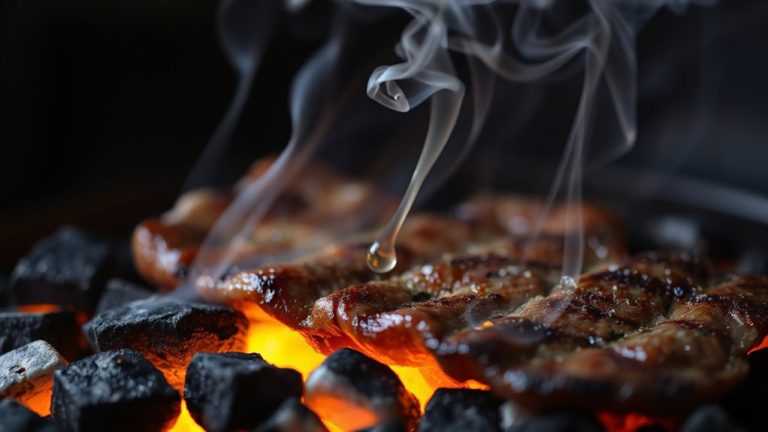
Choose a thick-cut, high-marbling steak like ribeye and pat it dry. Heat a well-seasoned cast-iron skillet on your propane camp stove until it’s smoking hot-visible wisps mean it’s ready. Salt the steak right before searing to preserve surface dryness for better browning. Place it in the pan and don’t move it; let it develop a deep crust over high heat, undisturbed. Flip once, then sear the other side. After cooking, rest the steak for 5–10 minutes to lock in juices. A dry start, intense heat, and proper rest guarantee rich flavor and tender results outdoors-even with wind or variable flames. The right techniques make all the difference when cooking off-grid, and there’s more to mastering open-flame searing where details truly matter.
Notable Insights
- Choose thick-cut steaks with high marbling, like ribeye, for enhanced juiciness and flavor during outdoor searing.
- Preheat a well-seasoned cast-iron skillet on the propane stove until smoking to ensure optimal sear and crust development.
- Salt the steak right before searing to maintain surface dryness, promoting better browning and Maillard reaction.
- Sear the steak undisturbed over high heat, keeping it centered on the hottest part of the burner for even crust formation.
- Rest the cooked steak for 5–10 minutes to retain juices, ensuring a tender and flavorful bite despite outdoor conditions.
Choose the Best Cut for Camp Stove Searing
When it comes to searing steak over a propane camp stove, your choice of cut makes all the difference. You’ll want a steak with high marbling content-those thin streaks of fat running through the muscle-since they melt during cooking, boosting flavor and keeping the meat juicy. Look for cuts like ribeye or strip steak, which naturally offer this advantage. Cut thickness matters just as much; aim for at least 1.5 inches. Thicker steaks give you a better sear on the outside while preserving a tender, evenly cooked center. Thin cuts overheat too fast, leading to toughness. On a camp stove, where heat control is limited, a well-marbled, properly thick cut performs best, delivering reliable results without professional equipment. It’s not just about preference-it’s science meeting practicality under real outdoor conditions.
Get Your Pan Smoking Hot
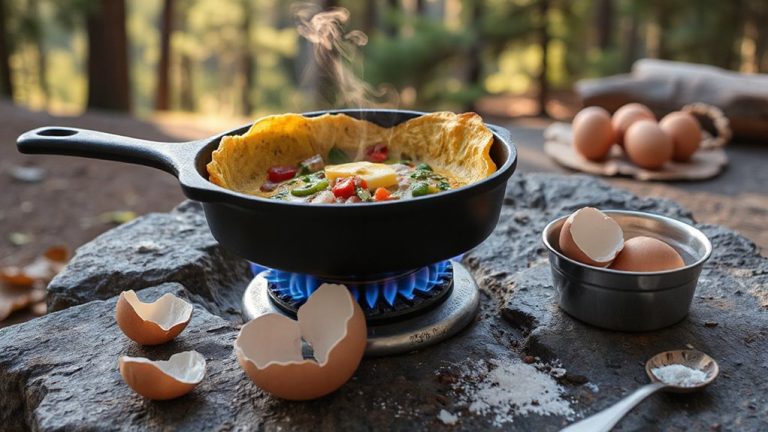
You’ve picked a well-marbled, thick-cut ribeye or strip steak, setting yourself up for success, but now the real test begins-achieving that restaurant-quality sear starts with getting your pan hot, really hot. Place your well-seasoned cast-iron skillet on the propane camp stove and let it heat for at least five minutes. Proper heat control is essential; adjust the flame to maintain a steady, high output without flaring uncontrollably. You’ll know it’s ready when the pan emits a visible wisp of smoke and a bead of water sizzles violently upon contact. This intense heat ensures a rapid Maillard reaction, locking in juices and building deep flavor. Good pan maintenance-keeping it seasoned and free of residue-guarantees consistent performance and prevents sticking. A clean, dry surface also helps achieve even heat distribution. Don’t rush this step; patience here defines the sear’s success. With reliable heat control and a well-maintained pan, your camp stove can perform like a commercial grill. For best results, choose Top Cast Iron Cookware designed specifically for high-heat grilling applications.
Salt Right Before Searing for Best Crust
Though timing your seasoning might seem minor, salting your steak just before it hits the hot pan makes a critical difference in developing a crisp, golden-brown crust. When you salt too early, the salt draws out surface moisture, and that excess liquid prevents proper browning. By waiting until right before searing, you preserve the meat’s natural dryness, allowing direct contact between the high heat and the steak’s surface. This immediate exposure boosts heat retention in the pan, promoting even caramelization. Without competing moisture, Maillard reactions occur more efficiently, yielding deeper flavor and texture. On a propane camp stove, where consistent heat can be harder to maintain, this technique guarantees you get the most from your equipment. It’s not just tradition-it’s science-backed optimization for outdoor cooking. Seasoning at the right moment gives you a better sear, especially when cooking in less-than-ideal conditions.
Sear Undisturbed on High Camp Stove Heat
Placing your seasoned steak on the scorching grate of your propane camp stove starts the sear, and the first rule is simple: leave it alone. Letting it sit undisturbed guarantees direct contact with the heat source, building a rich, caramelized crust. Proper pan placement over the burner’s hottest zone maximizes heat transfer, so center the skillet evenly and avoid shifting it. Wind interference is a real issue outdoors-it cools the surface and disrupts even cooking-so position your stove against the breeze or use a windscreen. High, steady heat is essential, but fluctuating temperatures from exposure hinder the Maillard reaction. You’ll get better results if you maintain consistent intensity without lifting or poking the meat. Trust the process: disturbing it too soon risks tearing the surface and losing valuable browning. Let the heat work-no peeking, no prodding-just patience.
Flip Once to Finish the Crust
Once the steak has developed a deep, golden-brown crust on the first side-typically after 3 to 5 minutes depending on thickness and heat output-it’s time to flip it, and ideally, only once. This single flip preserves the crust you’ve built and maximizes even browning. Using a well-preheated pan, especially one that leverages cast iron benefits like superior heat retention and distribution, guarantees the sear continues smoothly on the second side. Your propane camp stove’s high heat control is essential here-maintain it just below flare-up levels to finish the crust without burning. You’ll notice the steak releases easily when ready; if it sticks, it’s not seared enough yet. Flipping multiple times interrupts caramelization and risks uneven cooking. With steady high heat control and the thermal stability of cast iron, you achieve a consistent, flavorful crust across the surface-exactly what outdoor searing demands for restaurant-quality results. For best results, choose a pan crafted from cast iron or carbon steel, materials renowned for delivering exceptional searing performance.
Rest the Steak to Lock in Juices
While you might be keen to slice into that perfectly seared steak, letting it rest is where the real magic happens-this short pause allows the internal fibers to relax and reabsorb juices displaced by the intense heat of the camp stove. Resting for 5 to 10 minutes boosts juice retention, ensuring every bite stays moist and satisfying. Without this step, cutting too soon releases accumulated heat and liquid, leaving you with a drier result. That brief wait also promotes flavor enhancement, as the redistributed juices balance taste across the entire cut. In outdoor cooking, where conditions aren’t always ideal, maximizing flavor and texture is key. You’ve worked hard to build a good sear and manage temperatures on a propane camp stove-don’t undo it now. Resting is just as essential as cooking here, completing the process with improved tenderness and depth.
Fix Sticking, Smoke, or Uneven Sear on Camp Stove
If you’re dealing with a steak that sticks, smokes excessively, or sears unevenly on a propane camp stove, the problem usually traces back to heat management and surface prep-common issues that can undermine even the most carefully planned outdoor meal. Make sure your pan is properly preheated; a cold surface leads to sticking, especially without adequate pan seasoning. A well-seasoned cast iron skillet creates a natural non-stick layer and improves over time with proper care. Excessive smoke often means fat is hitting the flame, so trim excess fat or adjust burner output. Wind interference can create hot spots and uneven cooking, so use a windscreen to stabilize the flame. Always position the stove to minimize gust exposure. For even searing, rotate the steak 90 degrees halfway through each side to maximize crust development without overcooking. Consistent heat control and gear setup make all the difference.
On a final note
You’ve seared effectively when the steak develops a deep brown crust, signaling proper Maillard reaction. A propane camp stove delivers consistent, high heat-ideal for outdoor searing if managed correctly. Using a heavy, preheated pan guarantees even energy transfer, while minimal flipping preserves crust formation. Resting afterward maintains juice integrity. Though space-constrained, this method rivals backyard grills for flavor when technique compensates for equipment limits. Practical, portable, and reliable.