Smoking Chicken Wings: Dry Rubs, Smoke Time, and Crisping Tips
Choose plump, air-chilled wings and pat them dry-then dry brine uncovered in the fridge for hours to tighten the skin. Rub with kosher salt, brown sugar, smoked paprika, garlic and onion powder, black pepper, and a pinch of cayenne for depth and mild heat. Smoke at 225°F to 250°F for 1.5 to 2 hours using apple or cherry wood, aiming for 165°F internal. Finish with a quick air fry or broil to crisp without drying. Toss in sauce only before serving-this method locks in flavor and texture every time, and there’s still more to get right.
Notable Insights
- Choose medium-sized, air-chilled chicken wings for even cooking and superior texture.
- Use a dry rub with kosher salt, brown sugar, smoked paprika, garlic powder, and cayenne for balanced flavor.
- Dry brine wings in the refrigerator uncovered for 4–24 hours to enhance crispiness and flavor.
- Smoke wings at 225°F to 250°F for 1.5 to 2 hours until they reach 165°F internally.
- Finish with a quick air fry or broil to crisp skin before serving.
Choose the Best Chicken Wings for Smoking
When it comes to smoking chicken wings, the cut you choose makes all the difference in texture, flavor absorption, and overall results. You’ll want to pay close attention to wing size-larger wings take longer to cook but offer more meat, while smaller ones crisp up faster and often absorb smoke more evenly. Medium-sized wings usually strike the best balance. Equally important is meat quality; look for plump, firm wings with a pinkish hue and minimal connective tissue. Avoid those with a grayish tint or excessive freezer burn, as they’ll dry out during the long smoke. Wings from air-chilled chickens tend to have better texture and hold seasoning more effectively. Since smoking is a low-and-slow process, high-quality meat guarantees juiciness and depth of flavor. Choosing the right wings from the start sets the foundation for a successful smoke-don’t underestimate how much wing size and meat quality impact the final bite.
Make a Balanced Dry Rub for Smoked Wings
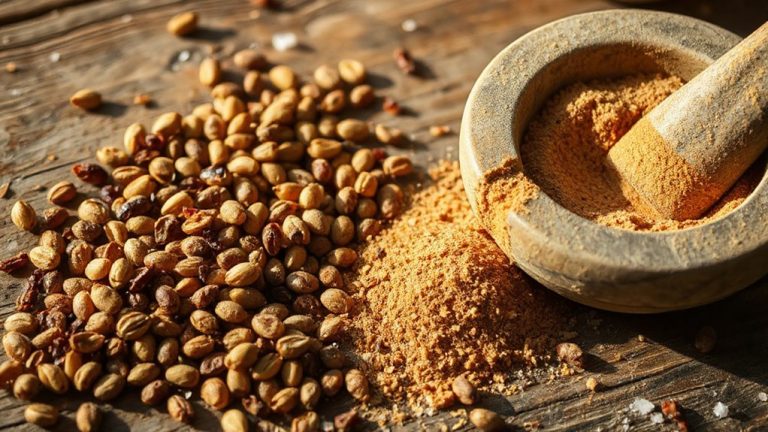
You’ve picked the right wings-plump, air-chilled, and evenly sized-so now it’s time to build flavor from the ground up with a well-constructed dry rub. A balanced dry rub isn’t just about heat; it’s about spice balancing and flavor layering. Start with a base of kosher salt and brown sugar-about 3:1-to enhance browning and depth. Add smoked paprika for earthy sweetness, garlic and onion powder for savory backbone, and a pinch of cayenne to lift without overwhelming. Freshly cracked black pepper adds subtle bite, while a touch of dried thyme or celery seed introduces aromatic complexity. Mix thoroughly so each grain contributes evenly. This blend doesn’t mask the chicken but supports it, letting smoke and crispy skin shine later. Apply the rub generously and let it rest for at least an hour; this guarantees deeper flavor layering without drying the meat.
Dry Wings for Crispier Skin Before Smoking
Patting the wings dry before applying the rub might seem like a small step, but it’s one of the most effective ways to guarantee crispier skin during the smoke. Removing surface moisture allows the seasoning to stick better and promotes even browning. For best results, try dry brining-toss the wings in salt and let them sit uncovered in the fridge for 4 to 24 hours. This process enhances flavor, draws out excess moisture, and improves texture. Follow up with air drying by leaving the seasoned wings in the refrigerator for a few hours before smoking. Air drying further reduces moisture on the surface, creating ideal conditions for crispiness. Unlike wet brining, dry brining won’t waterlog the meat, making it a smarter choice for smoked wings. Combined, these techniques markedly boost skin quality without requiring extra equipment or effort.
Smoke Chicken Wings at the Right Temp & Time
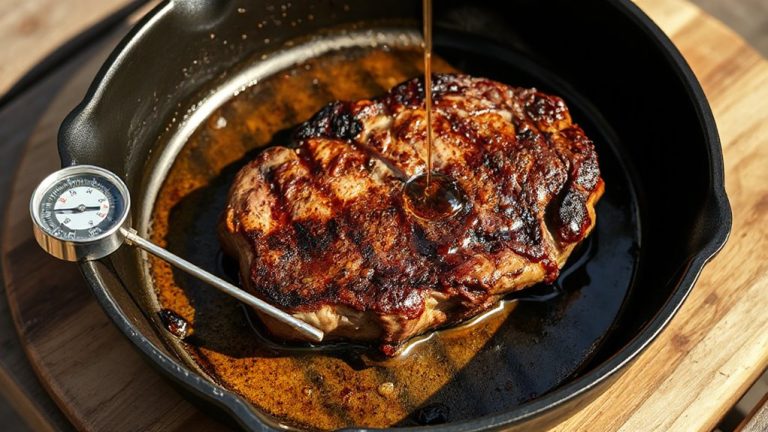
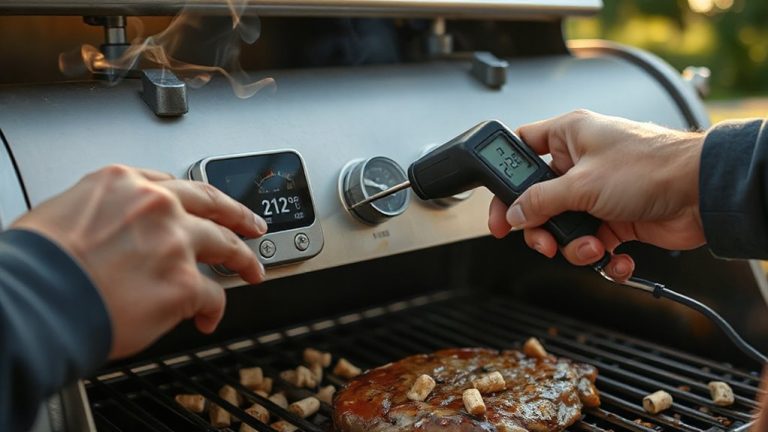
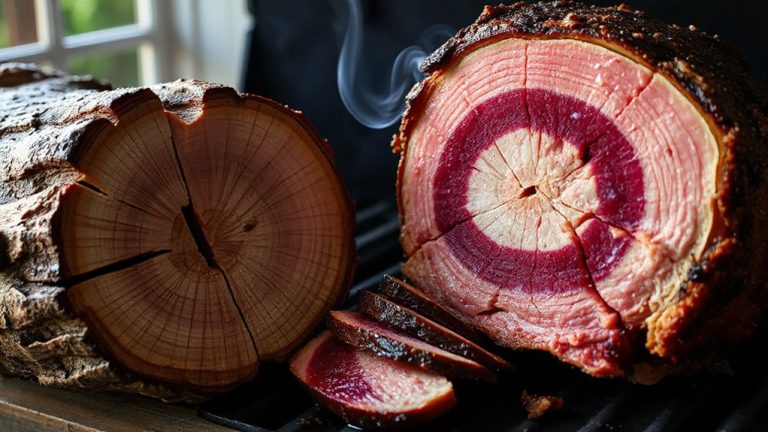
Now that you’ve prepped your wings for maximum crispiness by drying and dry brining, the next step is nailing the smoke itself-temperature and timing make all the difference. You’ll want to maintain a steady smoking temp between 225°F and 250°F; this range promotes ideal smoke ring formation while allowing fat to render without drying out the meat. Aim for about 1.5 to 2 hours of smoke time, depending on wing size. Using a reliable thermometer for internal temperature monitoring guarantees doneness-chicken wings are safe at 165°F, but letting them climb to 170°F improves texture and crispness later. Keep in mind, flare-ups or inconsistent temps can smear the smoke ring and create uneven flavor. Consistency in your fire pays off with a clean, pink ring and moist, smoky meat every time.
Pick the Best Wood for Smoked Chicken Wings
What makes one wood better than another when smoking chicken wings? It comes down to wood pairing and smoke intensity. You want a wood that enhances, not overwhelms, the chicken’s delicate flavor. Fruitwoods like apple and cherry are top choices-they deliver a mild, slightly sweet smoke that complements the wings without dominating. Hickory works well too, offering a stronger, bacon-like note, but use it sparingly to avoid bitterness. Mesquite burns hot and bold-best for experienced hands since its high smoke intensity can easily ruin lighter meats. For a nuanced flavor, try mixing apple with a touch of hickory. This balanced wood pairing gives depth while keeping smoke intensity in check. Ultimately, milder woods suit chicken best, ensuring clean, aromatic results every time. For more guidance, check out the best smoke wood for chicken to find top-rated options and buying tips.
Finish Smoked Wings Crispy (Without Drying Out)
While achieving crispy skin on smoked chicken wings is a common goal, doing so without sacrificing moisture demands careful attention to both temperature control and technique. After smoking at a low 225°F until they hit 165°F internally, finish them using high, direct heat. Air frying works reliably-5–7 minutes at 400°F crisps the skin while sealing in juices. Broiling in the oven is another solid choice, delivering excellent texture in 3–5 minutes, but requires close watching to avoid burning. Both methods outperform reheating in a smoker, which often dries them out.
| Method | Time & Temp | Result |
|---|---|---|
| Air frying | 400°F, 5–7 min | Crispy, evenly browned |
| Broiling | High, 3–5 min (watch closely) | Charred edges, juicy inside |
Serve & Store Smoked Wings the Right Way
Once you’ve nailed the balance of smoky depth and crisp skin, it’s time to think about how and when you serve them. Serving etiquette matters-present wings warm, not scalding, and pair with cooling dips or crunchy veggies to balance richness. Toss in sauce just before serving if desired, but never while hot from the smoker, as it softens the crust. For storage longevity, let wings cool within two hours, then refrigerate in airtight containers up to four days. Reheat in a 375°F oven or air fryer to preserve texture; microwaving kills crispness. Freeze for longer storage-up to three months-with minimal quality loss. Thaw frozen wings fully before reheating. Label containers with dates to track freshness. Proper handling guarantees flavor and safety, making your effort count long after the smoke clears.
On a final note
You’ve got the tools to smoke wings right: pick meaty flats and drumettes, apply a balanced dry rub with paprika and garlic, and pat the skin dry for better crisp. Smoke low and slow at 225°F for 90 minutes using apple or cherry wood. Finish with a hot blast at 400°F to crisp without drying. These steps deliver smoky, juicy wings with texture that holds up to sauce-ideal for serious barbecue done simply.