Natural Wax Coatings for Cold-Smoked Meat: Beeswax Sealing Guide
You can extend the shelf life of cold-smoked meat by sealing it in a natural wax coating that blocks oxygen and inhibits mold. Beeswax works well-it’s food-safe and mildly antimicrobial-but can be tricky to apply evenly. Cool the meat completely and dry the surface before waxing to prevent spoilage underneath. Use a double boiler and natural bristle brush for smooth, overlapping layers. Store sealed meat between 34°F and 38°F, away from temperature swings. Peel off all wax before cooking, as it doesn’t belong in your dish. Get the full details on doing it right the first time.
Notable Insights
- Cool and dry cold-smoked meat thoroughly before waxing to ensure proper seal formation and prevent trapped moisture.
- Use food-safe natural waxes like beeswax or beeswax-microcrystalline blends for effective oxygen barrier and antimicrobial protection.
- Apply wax in thin, even layers using a double boiler and natural bristle brush to ensure full coverage without overheating.
- Store wax-sealed meats at 34°F to 38°F, avoiding temperature swings that could compromise the wax barrier and promote spoilage.
- Remove all wax before cooking by peeling or scraping to prevent contamination and maintain flavor and food safety.
Why Wax Preserves Cold-Smoked Meat
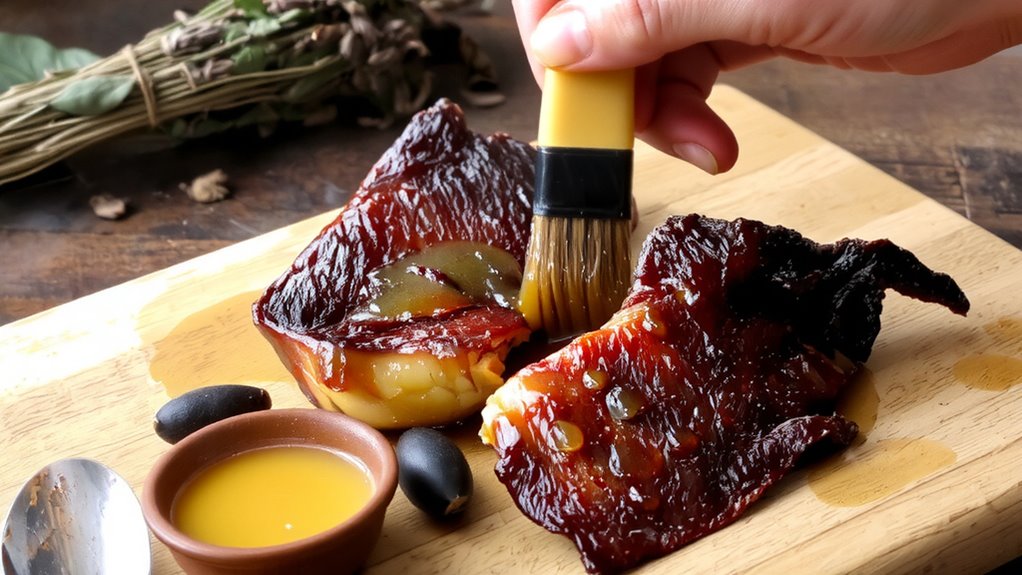
While you might think refrigeration is the only reliable way to keep smoked meat safe over time, waxing has proven itself as a durable, low-tech preservation method-especially for cold-smoked meats that spend hours in a temperature range where bacteria thrive. You’re not sealing in just flavor; you’re creating a reliable oxygen barrier that halts mold and spoilage by cutting off microbial access. Beeswax and other natural coatings offer more than just physical protection-many carry mild antimicrobial properties, subtly inhibiting surface pathogens. This dual action makes waxing surprisingly effective for long-term storage without electricity. You’ll find it especially useful in off-grid or traditional outdoor setups where temperature control is limited. Though it won’t replace refrigeration in all cases, waxing performs consistently when properly applied, preserving texture and preventing rancidity. For the serious backyard smoker, it’s a practical, time-tested step worth mastering.
Choose the Best Wax for Smoked Meat
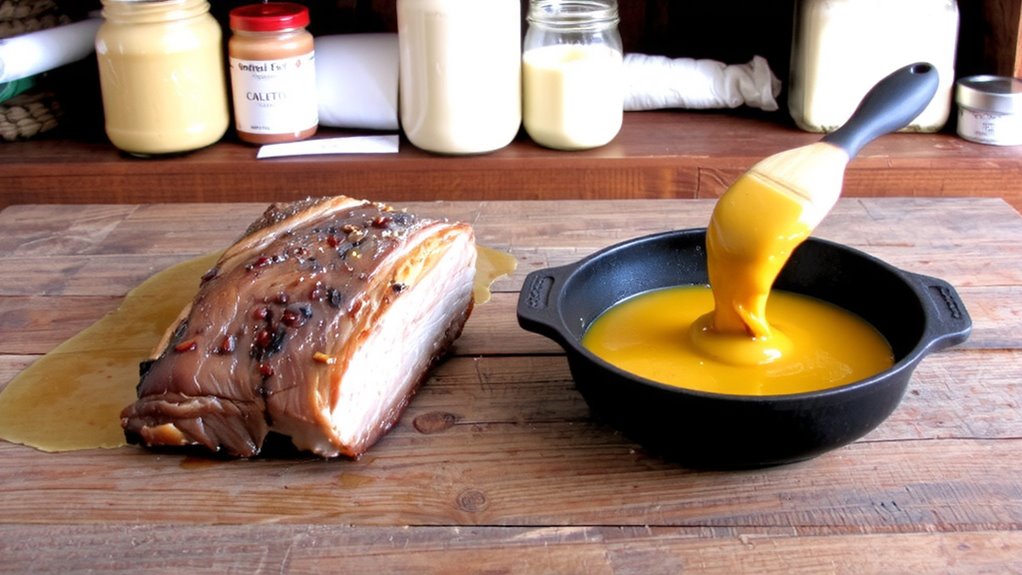
You’ve seen how wax creates a protective seal that slows spoilage and blocks oxygen, making it a smart choice for storing cold-smoked meats long-term. Now, choosing the best wax matters-beeswax, paraffin, and microcrystalline each offer different benefits. Beeswax is natural and food-safe, with a high melting point that holds up well in storage, though it’s pricier and harder to apply evenly. Paraffin is affordable and widely available, but it can be brittle and may crack over time, compromising the seal. Microcrystalline wax is more flexible and durable, making it a strong contender despite not being fully natural. When evaluating wax types, consider shelf life, temperature stability, and ease of removal. For most home smokers, a blend of beeswax and microcrystalline offers the best balance of safety, performance, and reliability.
Prep the Meat Before Waxing
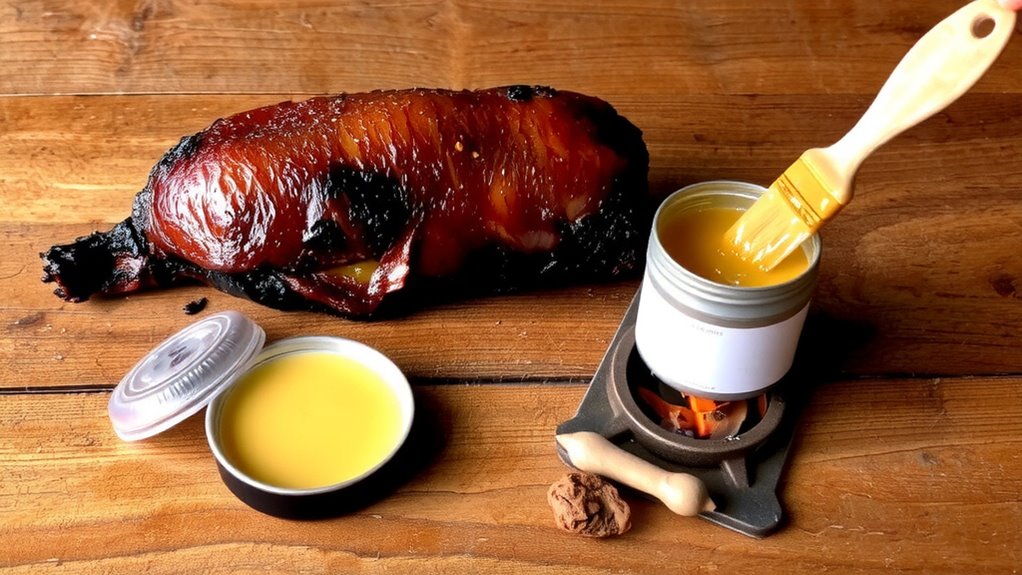
Proper preparation is essential for achieving a successful wax seal that preserves your smoked meat without compromising flavor or texture. You’ll want to prioritize both surface drying and fat trimming to guarantee superior adhesion and long-term protection. Excess moisture prevents wax from bonding properly, so allow the meat to air-dry in the refrigerator for 1–2 hours. Trim off large fat deposits since they can become rancid over time and hinder an even coating.
| Step | Purpose |
|---|---|
| Cool meat completely | Prevents condensation under wax |
| Perform surface drying | Guarantees wax adhesion |
| Trim excess fat | Reduces spoilage risk |
| Inspect for moisture | Avoids trapped humidity |
| Handle with clean tools | Prevents contamination |
These steps set the foundation for effective preservation.
Apply Wax to Smoked Meat at Home
Once your smoked meat is fully prepped-cooled, dried, and trimmed-it’s ready for wax application, the real workhorse step in extending shelf life without refrigeration. You’ve got solid DIY equipment choices, from double boilers to repurposed crockpots, that keep beeswax or natural blends at safe, consistent temps. Melting wax too hot risks degradation, so a thermometer is non-negotiable. When it comes to wax application tools, brushes made of natural bristle work best, offering even coverage without shedding. Some use dipping methods for total enclosure, but targeted brushing gives better control, especially on irregular cuts. Apply in thin, overlapping layers-rushing causes cracks or air pockets. Each coat should set before the next. Good sealing hinges on tool quality and patience. While basic setups suffice, investing in reliable wax application tools improves consistency. For home users aiming for long-term preservation, mastering this step with smart DIY equipment choices pays off in both safety and shelf stability.
Don’t Make These Wax Sealing Mistakes
A few common errors can compromise the entire preservation process when sealing smoked meats with natural wax, and avoiding them is just as critical as selecting the right wax or equipment. Applying wax while the meat is still warm leads to improper cooling, trapping moisture that promotes spoilage and bacterial growth. You need to let the meat cool completely at room temperature first-otherwise, condensation forms under the seal, undermining shelf life. Another frequent issue is an uneven coating; if you dip or brush too quickly, thin spots or gaps appear, leaving areas vulnerable to air exposure and oxidation. Use consistent, slow motions to guarantee full coverage. Rushing also increases waste and affects adhesion. Don’t skip testing the wax temperature-too hot and it cracks, too cool and it clings poorly. Attention to detail here directly impacts preservation quality and safety.
Store Wax-Sealed Meat for Weeks
While the quality of your wax seal sets the foundation, how you store the sealed meat ultimately determines whether it stays fresh for weeks. You’ll need consistent temperature control-ideally between 34°F and 38°F-to prevent bacterial growth and preserve texture. Fluctuating temps can cause condensation under the wax, which undermines preservation. Store your wax-sealed meats in the coldest, most stable part of the refrigerator, away from the door. Vacuum sealing before waxing isn’t necessary, but it can extend storage duration when combined with proper cooling. Most wax-sealed smoked meats last three to five weeks under ideal conditions, though quality begins to decline after the fourth week. Darker cuts like brisket tend to hold up better than leaner options. You’re not gaining indefinite shelf life, but with disciplined storage, you’re notably delaying spoilage. This method works best when you plan ahead and respect both the seal and the cold chain.
Remove Wax Before Cooking Smoked Meat
Since you’ve gone through the effort of smoking, sealing, and properly storing your meat, it’s essential not to overlook the final step-removing the wax before cooking or serving. Leaving the wax on creates a major cooking safety risk; it’s not edible and can release unpleasant compounds when heated. Even natural waxes like beeswax or carnauba aren’t meant for direct heat exposure, so peeling or scraping them off is vital. Beyond safety, wax left on can cause a negative flavor impact, adding unwanted bitterness or a waxy mouthfeel that ruins the meat’s taste. Think of the wax as a protective barrier, not a cooking component. Use a butter knife or your fingers to gently remove it-most of it should come off in sheets. Doing so preserves your work and guarantees clean, authentic flavor. Skip this step, and you risk undermining both quality and safety.
On a final note
You’ve sealed your cold-smoked meat properly, and now it’s ready for long-term storage. Waxing works because it blocks air and moisture, slowing spoilage. Beeswax or paraffin blends perform best-avoid candle wax. When done right, the coating keeps meat fresh for weeks without refrigeration. Just make sure the meat’s cool before applying and remove all wax before cooking. It’s a simple, effective method rooted in tradition and backed by food science.