Outdoor Cooking Fuel Types: Wood, Charcoal, Propane & More
You’re choosing fuel for outdoor cooking, and each type shapes your results. Wood delivers deep smoky flavor and rustic charm but needs skill to manage. Charcoal gives high heat and rich sear, great for backyard BBQs. Propane offers quick, clean control with minimal cleanup. Butane is light and easy for backpacking, though it struggles in cold. White gas powers through winter and altitude, while ethanol gives flame without smoke-ideal for tight spots. Your pick depends on flavor, conditions, and effort. See how each stacks up in real use.
Notable Insights
- Wood provides rich, smoky flavor and a rustic finish but requires careful fire management and dry, seasoned logs.
- Charcoal delivers high heat for searing and strong smoky flavor, needing proper ignition tools and post-cooking cleanup.
- Propane offers quick heating, precise temperature control, and clean operation ideal for consistent outdoor cooking.
- Butane is lightweight and easy to ignite, best suited for portable cooking in moderate to warm temperatures.
- White gas excels in cold weather and high altitudes, while ethanol and gel fuels offer smoke-free flames with limited control.
Wood: Flavorful Fire for Backyard and Campfire Cooking
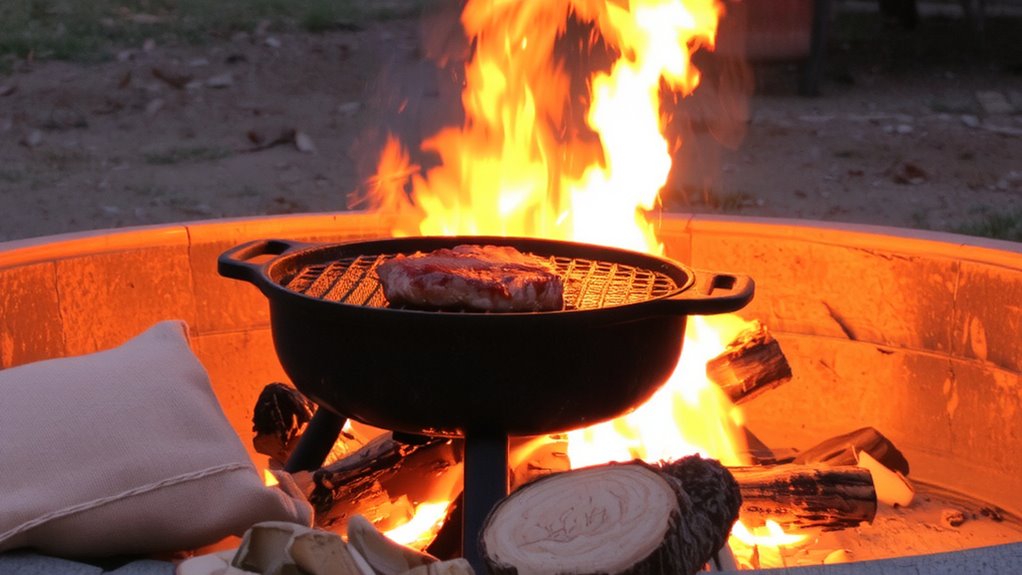
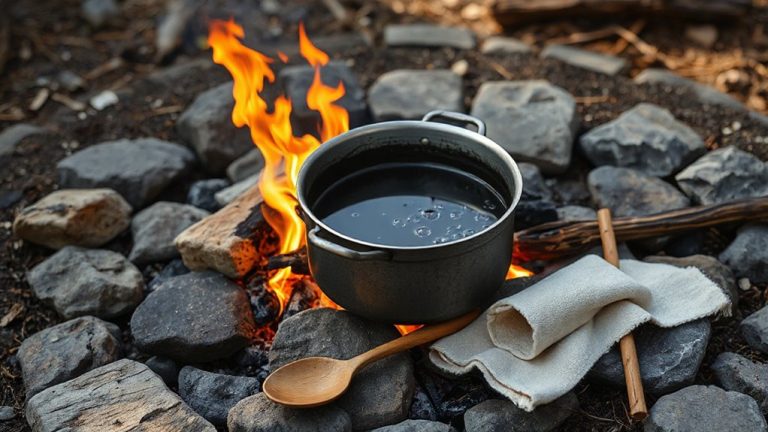
While many modern fuels offer convenience, cooking with wood delivers a rich, smoky flavor that gas or charcoal can’t quite match-especially if you’re after that authentic campfire taste or a deep, aromatic char on your backyard grill. You’ll find wood smoking imparts a unique depth to meats and vegetables, with hardwoods like hickory, oak, and mesquite offering distinct flavor profiles. Fire roasting over an open flame gives food a rustic texture and caramelized crust that enthusiasts highly value. Though it demands more attention-controlling airflow, managing ember beds, and avoiding flare-ups-the payoff is superior taste and a hands-on experience. It’s not the fastest method, but if you appreciate flavor complexity and tradition, wood is hard to beat. Just remember to use seasoned, dry wood to minimize smoke and maximize burn efficiency. With practice, you’ll master heat zones and timing for consistent, delicious results. For best results, consider your choice of best smoking wood picks based on the type of meat and desired smoke intensity.
Charcoal: High Heat and Smoky Taste Made Simple
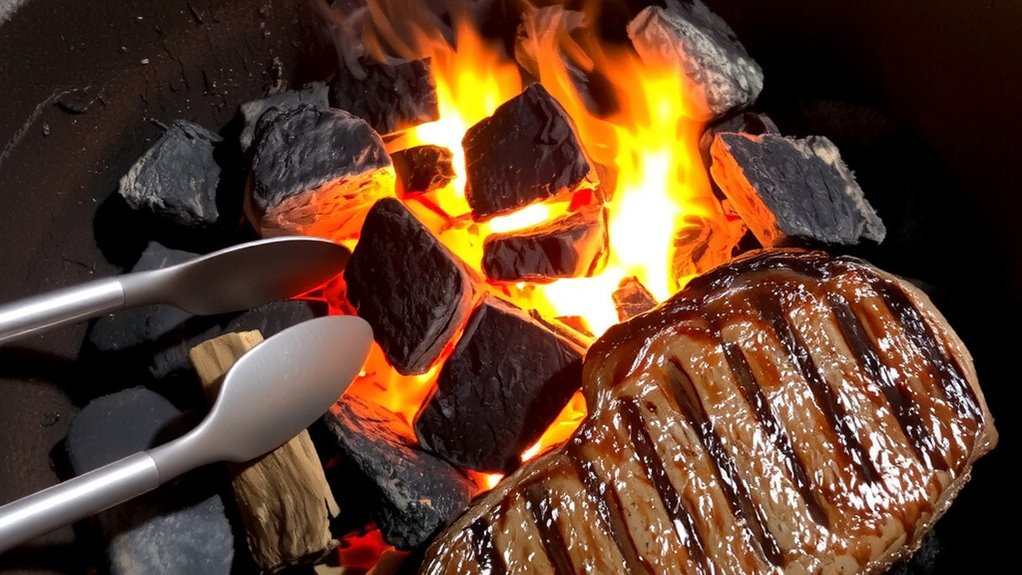
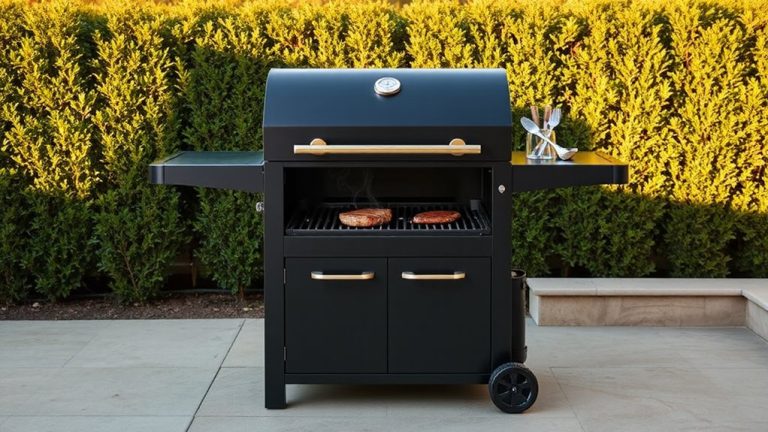
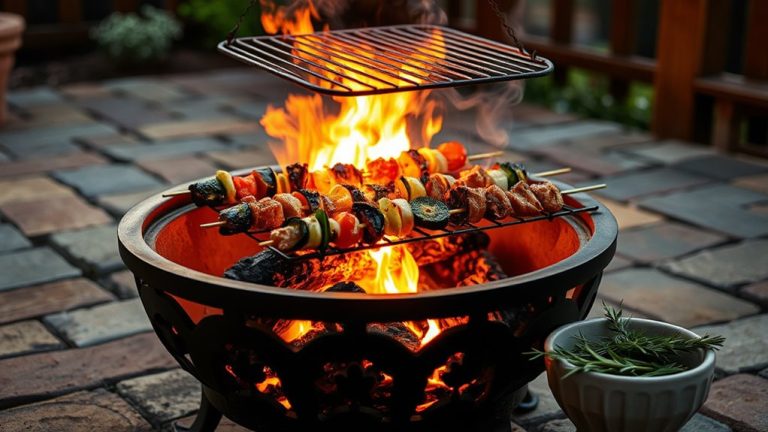
When you’re after a balance of intense heat and rich, smoky flavor without the complexity of managing a wood fire, charcoal’s your go-to fuel for grilling and barbecuing outdoors. Charcoal delivers high temperatures quickly, making it ideal for searing steaks or crisping chicken skin. You’ll appreciate its flavor intensity, which surpasses gas and rivals wood, especially when using lump charcoal. Modern briquettes guarantee consistent burn times and reliable charcoal ignition, whether you’re using a chimney starter or electric probe. While it demands more cleanup than propane, the trade-off is depth of taste and better crust development. Charcoal grills are also generally more affordable and widely available. With practice, you can master airflow controls to fine-tune cooking conditions. For backyard cooks who want simplicity without sacrificing performance, charcoal strikes a practical balance between control, cost, and that unmistakable smoky finish. Best Charcoal Grills offer a range of features to suit different cooking styles and budgets.
Propane: Reliable Fuel for Easy Outdoor Cooking Anywhere
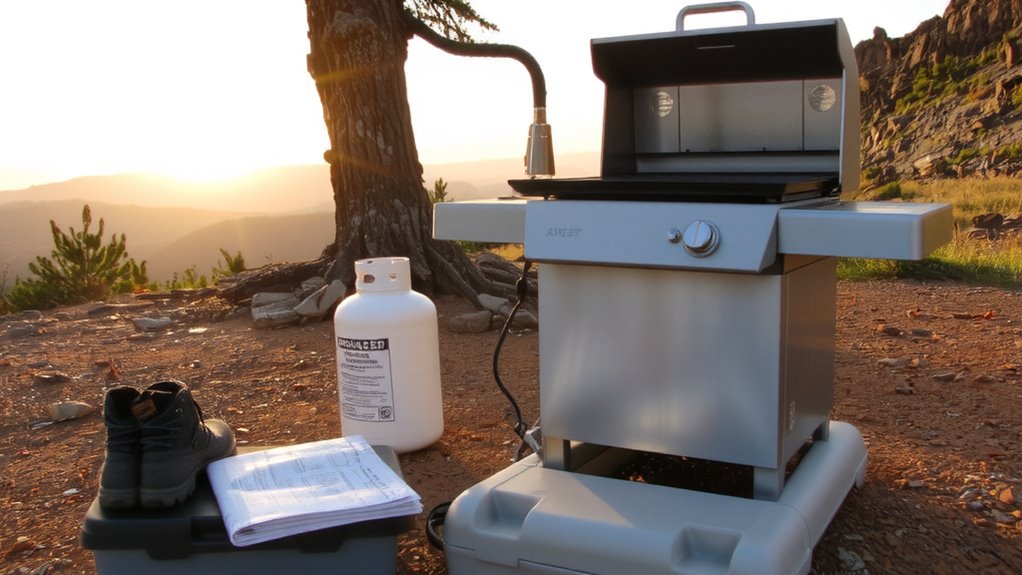
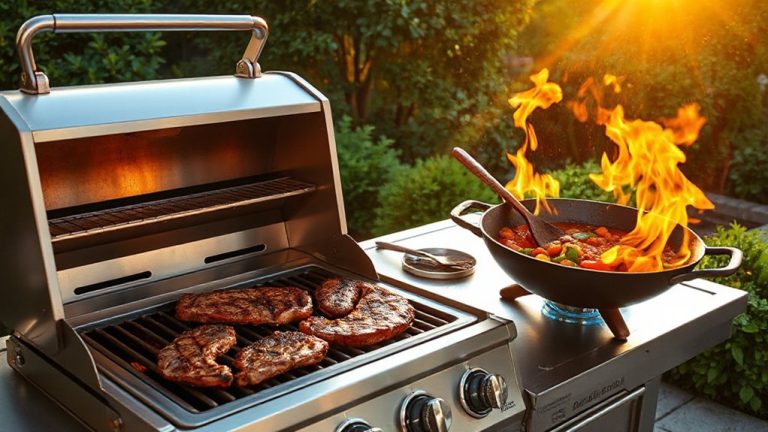
If you value convenience and consistent performance in your outdoor cooking, propane’s your best bet for getting meals on the grill with minimal hassle. You’ll appreciate how quickly it heats up and how easily you can adjust the flame-perfect for everything from searing steaks to simmering sauces. Propane works well in all weather, making it ideal for backyard barbecues or remote campsites. Plus, it pairs seamlessly with portable stoves, giving you flexibility without sacrificing control. Its fuel efficiency means you’ll get more cooking time per tank, reducing frequent refills. Below is a quick comparison of key features:
| Feature | Propane | Charcoal | Butane |
|---|---|---|---|
| Ignition Speed | Fast | Slow | Fast |
| Fuel Efficiency | High | Medium | Medium |
| Portability | Good | Fair | Excellent |
Cleanup’s a breeze, and with less ash and smoke, propane keeps your gear-and your meal-cleaner.
Butane: Lightweight Fuel for Fast Backpacking Meals
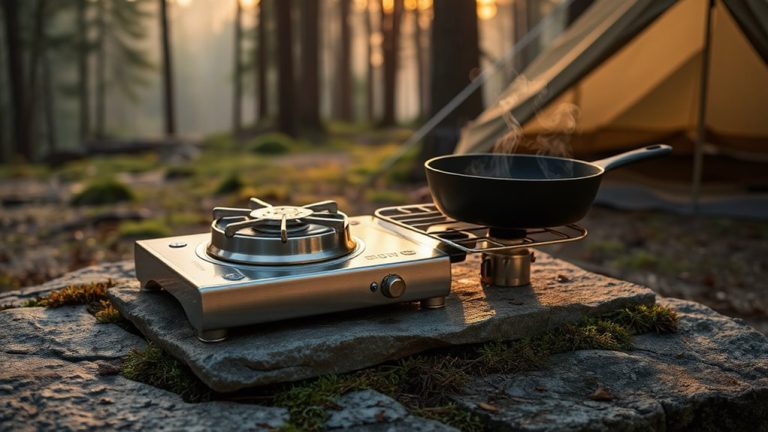
Butane stands out when you’re packing light and need quick, reliable heat in compact outdoor setups. It works efficiently with most portable stoves, making it a favorite for fast backpacking meals. You’ll appreciate its quick ignition-no fumbling with matches or priming required. Butane canisters screw directly onto stoves, creating a secure, leak-free connection that’s easy to use and carry. They’re lightweight and compact, saving valuable space in your pack. The fuel burns cleanly, so you won’t deal with soot buildup or clogged jets. Butane performs best in moderate temperatures, typically above 60°F, so it’s ideal for spring to fall trips. While not suited for extreme cold, its efficiency and simplicity give it high marks for convenience. For weekend hikes or car-to-trail meals, butane offers dependable performance with minimal hassle-exactly what you want when you’re on the move. A great way to enjoy your meal cooked on a butane stove is with one of the best backpacking mugs, ensuring your drink stays warm and your setup remains lightweight. best backpacking mugs
White Gas: Best Fuel for Cold Weather and High Altitude
You’ll find white gas to be one of the most dependable fuels when tackling harsh conditions where other options falter. Its cold efficiency makes it ideal for winter trips, vaporizing reliably even below freezing. Unlike butane or propane blends, white gas maintains strong altitude performance, ensuring consistent pressure and clean burns on high mountain trails. It works efficiently with pump-style stoves, giving you precise flame control for simmering or boiling. While it requires priming and occasional maintenance, the trade-off is unmatched versatility in extreme environments.
| Feature | Why It Matters |
|---|---|
| Cold efficiency | Burns cleanly in sub-zero temperatures |
| Altitude performance | No pressure drop at high elevations |
| Fuel availability | Widely stocked in outdoor retailers |
| Stove compatibility | Works with multi-fuel and liquid gas stoves |
Ethanol & Gel: Clean, Smoke-Free Flame for Tight Spaces
What if you could cook outdoors without smoke, soot, or strong fumes crowding your space? Ethanol and gel fuels offer exactly that-a clean, smoke-free flame ideal for tight or semi-enclosed areas. You’ll appreciate how they burn cleanly, leaving little residue, which simplifies cleanup and reduces air pollution. These fuels are often praised for their indoor safety when used in approved burners, though they still demand proper ventilation needs-even outdoors, stagnant air can concentrate vapors. Flame control is more limited compared to propane or white gas, and fuel efficiency tends to be lower, meaning you’ll go through more fuel per cooking session. Still, their simplicity and portability make them a solid choice for balconies, patios, or emergency kits where open flames or heavy fumes aren’t practical. Just remember: ventilation needs don’t vanish just because the smoke does.
Which Outdoor Cooking Fuel Wins for You? Camp vs. Trail
Ethanol and gel fuels bring a clean-burning option to small outdoor spaces, but when you’re weighing options for actual cooking on the move or at a basecamp, the decision gets more complex. For the trail, canister stoves win on convenience factor-lightweight, quick to set up, and easy to regulate. They’re ideal when speed and packability matter most. At camp, where time and space allow, liquid fuels or wood offer better flavor comparison, especially for simmered meals or grilled items. Propane systems provide strong, steady heat with minimal fuss, though bulkier to carry. Your choice hinges on whether flavor depth or simplicity takes priority. Backpackers lean toward efficiency; car campers often chase taste. Both value reliability, but performance expectations differ. Consider your cooking style, trip length, and gear limits. The best fuel isn’t universal-it’s the one that aligns with your outdoor rhythm and meal goals.
On a final note
You’ve got options, and each fuel suits a different outdoor style. Wood delivers unmatched flavor but demands attention. Charcoal gives high heat and smoke with less effort. Propane offers convenience and precise control, ideal for quick setups. Butane’s light but fades in cold. White gas performs best in harsh weather. Ethanol burns clean but lacks power. Your pick depends on where and how you cook-balance performance, flavor, and practicality.