How to Simmer Lentil Dal on a Rocket Stove for Vegetarian Feasts
Use red lentils for a quick, creamy dal-they cook in 20–25 minutes on your rocket stove’s steady heat. Start with cumin, turmeric, and mustard seeds sizzled in oil to build flavor. Keep the flame strong at first, then lower to a simmer under a tight lid. Stir every 10–15 minutes to prevent sticking without cooling the pot. The stove’s efficient burn cuts fuel use and handles outdoor variables well. There’s more to mastering outdoor lentil cookery than heat alone.
Notable Insights
- Use red or split lentils for faster cooking and a creamy texture on a rocket stove.
- Start with a strong boil, then reduce to a steady simmer to prevent burning.
- Stir every 10–15 minutes to avoid sticking while maintaining consistent heat.
- Keep the lid tightly closed to trap steam and speed up softening.
- Maintain draft and clean fuel feed to sustain optimal combustion for even simmering.
Choose the Best Lentils for Quick, Flavorful Dal
When it comes to simmering lentil dal over a rocket stove, your choice of lentils makes all the difference in both cooking time and depth of flavor. You’ll want to pick varieties that break down easily, like red lentils or split masoor-they cook fast and yield a creamy lentil texture ideal for quick meals. Whole lentils, such as brown or green, take longer and require more fuel, which isn’t ideal when managing heat on a rocket stove. Red lentils typically need just 20–25 minutes, cutting cooking time nearly in half compared to their whole counterparts. That efficiency matters when you’re cooking outdoors, where fuel and time are limited. Plus, their soft, buttery texture absorbs spices beautifully, ensuring rich, satisfying results. If you’re aiming for speed without sacrificing mouthfeel, split lentils are your best bet. They balance performance and flavor, making your outdoor cooking both practical and delicious-no extra effort, just better dal.
Use These Spices for Aromatic, Rich Lentil Dal
While you can build a decent dal with lentils alone, it’s the spice blend that transforms it into something aromatic and deeply satisfying over your rocket stove. Proper spice blending isn’t just tradition-it’s science, revealing essential oils and depth through controlled heat. Start with cumin seeds sizzling in oil to awaken their nuttiness, then add turmeric for earthy brightness and anti-inflammatory benefits. Ground coriander adds citrusy warmth, while mustard seeds pop with pungency. A pinch of asafoetida deepens umami, especially in lentil-based dishes. This kind of flavor layering builds complexity gradually, ensuring each bite evolves on the palate. Unlike gas stoves, the intense, steady flame of a rocket stove enhances spice blooming, maximizing aroma and integration. Toasting spices just before adding liquids avoids bitterness and preserves volatility. Mastering these techniques elevates your dal from simple stew to balanced, resonant comfort food, ideal for open-air cooking where scent and warmth matter just as much as taste. For even deeper flavor foundations, consider using a well-balanced prime rib rub as inspiration for complementary spice pairings.
Set Up and Light Your Rocket Stove Safely
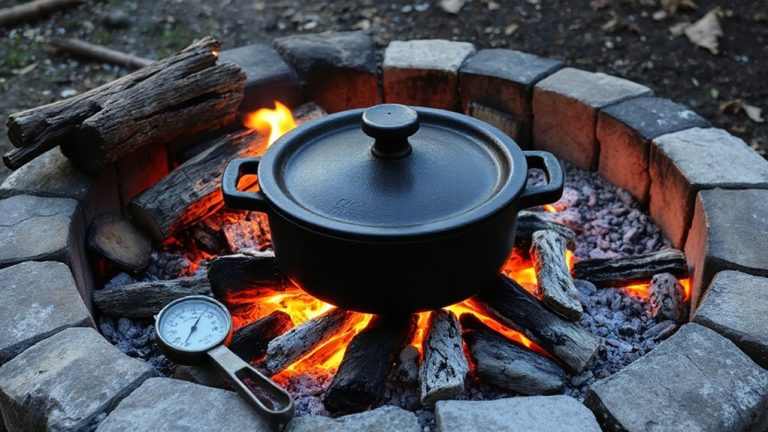
You’ve just toasted your spices to aromatic perfection, releasing layers of flavor that define a well-crafted lentil dal, and now it’s time to get your rocket stove ready for cooking. Position the stove on a non-flammable, level surface, away from overhanging branches or structures. Load small, dry biomass-like twigs or wood pellets-into the combustion chamber without overpacking, guaranteeing proper airflow control. Use kindling and a flame at the base to initiate draft; within minutes, the insulated burn chamber accelerates heat output while maximizing fuel efficiency. The vertical chimney design promotes strong convection, maintaining high temperatures with minimal fuel. Monitor the air intake: too much airflow cools combustion, while too little smothers it. A steady, bright flame indicates peak performance. Avoid flammable containers and secure your cookware firmly. Once lit, the stove stabilizes quickly, offering consistent output ideal for simmering. Proper setup guarantees safety, reduces smoke, and extends stove longevity.
Cook Lentil Dal: Timing, Heat, and Stirring Tips
A well-tuned rocket stove delivers consistent, controllable heat-exactly what you need to transform soaked lentils and aromatics into a rich, velvety dal. Start with a strong boil, then dial back to a steady simmer; this shift maximizes cooking efficiency while preventing scorching. You’ll want to stir every 10–15 minutes-just enough to check the pot’s base and maintain even heat distribution. Over-stirring cools the dal and slows cook time, but too little invites sticking. After about 30–40 minutes, the lentils should reach a smooth, creamy lentil texture with no graininess. A tight-fitting lid helps, trapping steam and speeding up softening. The rocket stove’s focused flame guarantees rapid evaporation when uncovered, so adjust accordingly. This balance of timing, heat management, and minimal intervention lets you achieve restaurant-quality results off-grid, all while conserving fuel and effort.
Adjust Cooking for Outdoor or Off-Grid Use
Out in the open air, cooking on a rocket stove means working with the environment, not against it, and that starts with understanding how wind, temperature, and elevation affect heat delivery. You’ll notice lower boiling points at high altitudes and slower combustion in cold air, so adjust your expectations. Wind protection is essential-position a shield to block gusts without smothering airflow, ensuring consistent flame. Rocket stoves shine in fuel efficiency, burning small-diameter wood cleanly and reducing waste. This makes them ideal for off-grid use, where resources are limited. You’ll get more heat per stick compared to open fires, and the concentrated draft pulls flames directly under your pot. Just keep the combustion chamber clean and feed fuel gradually to maintain steady simmering. With smart setup, you’re not just surviving outdoors-you’re cooking efficiently, sustainably, and with control.
Serve Dal With Fresh Sides for a Complete Meal
Many outdoor meals gain considerable strength from well-chosen accompaniments, and your simmered lentil dal is no exception. Pairing it with fresh, vibrant sides elevates both flavor and texture. A spoonful of cool yogurt garnish balances the dal’s warmth, while chopped fresh herbs like cilantro or mint add brightness and complexity. These elements don’t just complement-they transform the dish into a well-rounded meal. Consider simple, make-ahead sides that require no cooking over the rocket stove, preserving fuel and effort.
| Side Dish | Benefit |
|---|---|
| Cucumber salad | Crisp contrast to soft dal |
| Lemon rice | Citrus lift, grain foundation |
| Pickled onions | Tangy bite, visual appeal |
| Naan bread | Ideal for scooping, satisfying |
| Fresh herbs | Aromatic finish, color boost |
A yogurt garnish and fresh herbs are small touches that deliver big impact.
Why Rocket Stoves Make Better Vegetarian Meals
Every efficient outdoor meal starts with the right heat source, and rocket stoves deliver unmatched control for vegetarian cooking over an open flame. You’ll appreciate their fuel efficiency-burning small sticks or twigs cleanly, reducing waste while sustaining steady heat. Unlike open fires that flare unpredictably, rocket stoves channel flames in a concentrated path, providing even heating critical for simmering dishes like lentil dal without scorching. Their insulated combustion chamber guarantees heat reaches the pot effectively, minimizing stirring and guesswork. You can maintain gentle, consistent temperatures ideal for beans, grains, and vegetables. Since they produce less smoke and ash, cleanup is easier and air quality improves. For frequent outdoor cooks, this balance of performance and simplicity makes rocket stoves a smarter choice. They’re affordable, portable, and built for long-term use with minimal maintenance. When fuel efficiency and even heating matter, you’ll find few alternatives that match their reliability.
On a final note
You’ve now mastered cooking hearty lentil dal on a rocket stove, a method that’s efficient, sustainable, and ideal for outdoor or off-grid settings. Its high-efficiency combustion reduces fuel use while maintaining consistent heat, essential for simmering legumes. Unlike conventional stoves, rocket stoves offer precise thermal control with minimal smoke. When paired with aromatic spices and fresh sides, your dal becomes a nourishing centerpiece-proving that simple tools can deliver exceptional, eco-conscious vegetarian meals reliably and effectively.