Injecting Maple-Bourbon Glaze Into Grilled Ham Steaks
Injecting maple-bourbon glaze into grilled ham steaks can deepen flavor, but it risks moisture loss and uneven cooking. For better results, brush the glaze during the last 5–7 minutes of grilling. This method builds a sticky, amber crust while avoiding burning. Use a silicone brush for even coverage and let each layer set. The balance of bourbon, maple, and smoked paprika shines when caramelized on the surface. You’ll discover how timing and technique elevate the entire dish.
Notable Insights
- Injecting glaze into ham steaks is not recommended; apply it externally during the last 5–7 minutes of grilling for optimal caramelization.
- The maple-bourbon glaze is best used as a surface baste to enhance flavor and create a sticky, amber crust.
- Use a silicone brush to apply the glaze evenly, allowing each thin layer to set before reapplying.
- Injecting may cause uneven cooking and leak-out, compromising texture and appearance during grilling.
- For deeper flavor penetration, marinate ham steaks briefly before grilling, but reserve glaze for surface application.
Choose the Best Ham Steaks for Glazing
When it comes to glazed ham steaks, your starting point matters-choosing the right cut sets the stage for flavor and texture. You want a balance between ham thickness and cut quality to guarantee even cooking and maximum glaze absorption. Steaks around ¾ to 1 inch thick hold up well on the grill, avoiding dryness while giving enough meaty structure to caramelize without falling apart. Look for center-cut portions with a deep pink hue and minimal gristle-these show high cut quality and even grain. Avoid pieces with excessive water content or grayish tones, signs of lower-quality processing. A well-trimmed steak with a firm texture sears better and carries flavor more effectively. Since you’re grilling, thicker cuts offer more forgiveness over direct heat. Your glaze will penetrate just enough without overwhelming the meat, letting the smoky char and natural sweetness shine through. For those watching their salt intake, consider starting with a best low-sodium ham to keep the dish flavorful yet heart-healthy.
Make the Maple-Bourbon Glaze From Scratch
Now that you’ve selected a high-quality ham steak with the right thickness and grain, it’s time to build a glaze that enhances-not masks-the meat’s natural richness. A homemade glaze gives you control over flavor balance and consistency, essential when grilling over open flame. For scratch preparation, combine pure maple syrup, bourbon, Dijon mustard, brown sugar, and a dash of smoked paprika in a saucepan. Simmer gently for 8–10 minutes until the mixture thickens slightly and coats the back of a spoon. This guarantees it adheres well during grilling without dripping. The bourbon adds depth and caramelizes beautifully, while the maple syrup provides a clean sweetness that store-bought glazes often over-sweeten. Proper scratch preparation avoids artificial thickeners and high-fructose corn syrup, yielding a cleaner, more complex flavor profile perfectly suited for outdoor cooking. Your homemade glaze should glisten, not pool-ideal for a flavorful, professional-quality finish.
How to Brush and Baste the Glaze
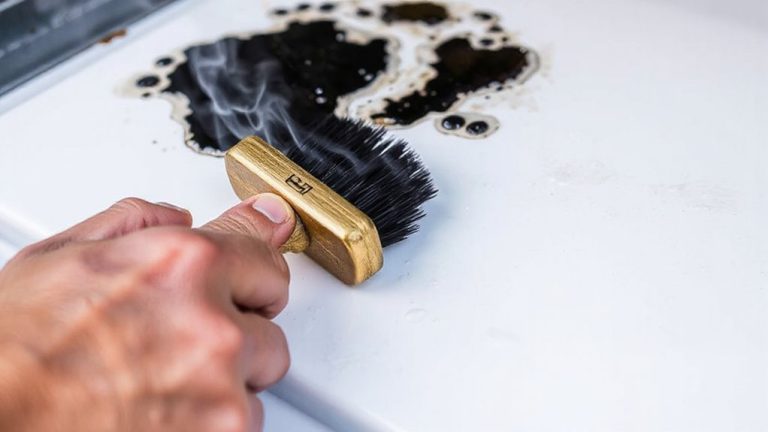
A well-timed brush of glaze can transform a grilled ham steak from simple to exceptional, and your technique makes all the difference. For best results, apply the glaze during the last 5–7 minutes of grilling to prevent burning, since the high sugar content in maple syrup caramelizes quickly. Use a silicone brush-its heat resistance and dense bristles guarantee even coverage without shedding. Start with a thin layer, letting it set for a minute before adding another. This baste technique builds flavor depth without overwhelming the meat. Proper brush timing avoids a soggy surface while encouraging glaze adherence. Frequent, light applications outperform one heavy coat, giving you richer color and balanced sweetness. Traditional basting with a spoon works but lacks precision. The brush offers control, especially around edges and ridges, guaranteeing each bite tastes uniformly seasoned. Mastering this step elevates your outdoor cooking with professional results.
Grill the Ham Steaks for Perfect Caramelization
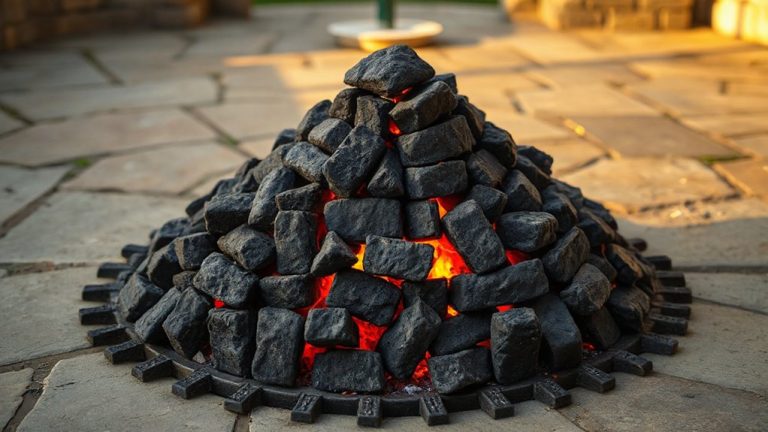
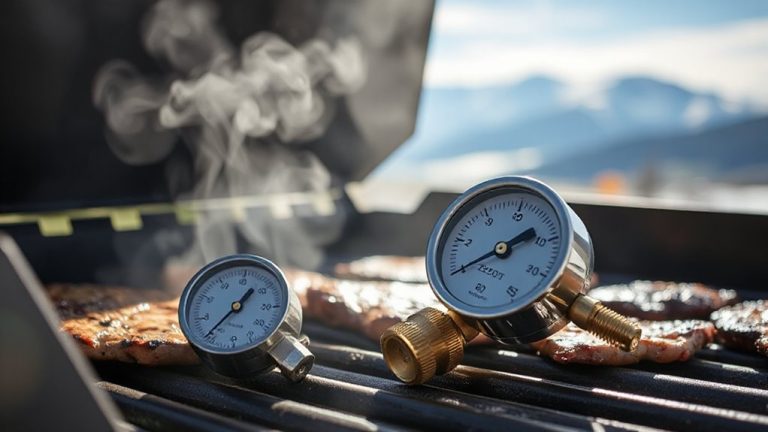
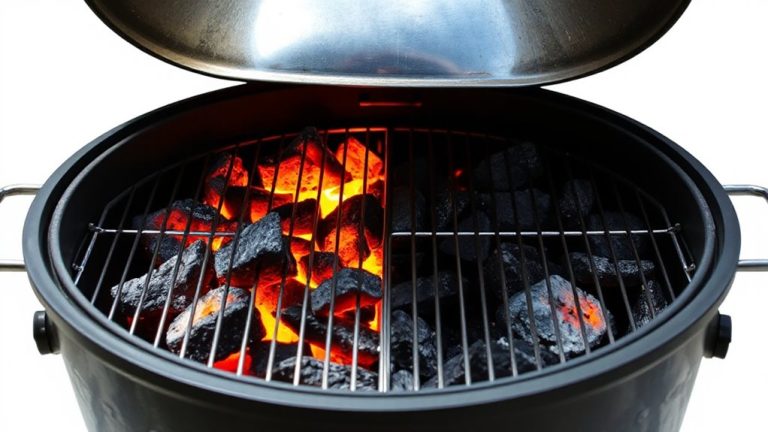
Though you’ve already seasoned the ham steaks and prepped your glaze, getting the caramelization just right hinges on precise heat management and timing. Preheat your grill to medium-high-around 375°F-for ideal searing without burning. Place the ham steaks on the grates and let them sear untouched for 4 to 5 minutes to develop crisp, distinct grill marks. Resist the urge to move them; shifting disrupts the Maillard reaction needed for deep flavor. Flip carefully and reduce the heat slightly to maintain caramelization control, ensuring the sugar in the glaze darkens evenly. Continue cooking another 4 minutes, basting lightly if needed. The exterior should glisten with a sticky, amber-colored crust while the interior stays tender. Proper grill marks aren’t just visual-they signal controlled heat exposure and consistent contact, essential for professional-grade results at home.
Serving Ideas for Maple-Bourbon Glazed Ham
What if the secret to elevating your grilled ham isn’t just in the cook, but in how you serve it? Pairing suggestions matter: serve your maple-bourbon glazed ham with buttered biscuits or roasted sweet potatoes to balance the smoky-sweet richness. A side of charred asparagus or bourbon-kissed coleslaw adds texture and cuts through the glaze’s intensity. For brunch, layer the ham in a Benedict or on a biscuit with a fried egg-recipe variations like these maximize flavor and context. The glaze’s depth works well with both bold and mild sides, so consider grilled apples or a sharp arugula salad. Serving temperature impacts taste; let the ham rest briefly to retain juiciness. Thoughtful presentation enhances the experience without overshadowing the dish’s grilled integrity. Strategic pairings and small creative tweaks don’t just complement-they refine the whole outdoor cooking performance.
Storage and Reheating Tips
Once you’ve served your maple-bourbon glazed ham and enjoyed its rich, smoky-sweet profile alongside complementary sides, consider what comes next: storing leftovers properly guarantees that flavor and texture hold up for future meals. Proper food safety practices are essential-cool the ham within two hours and store it in an airtight container. For best flavor retention, refrigerate for up to 3 days or freeze up to 2 months. When reheating, gentle methods preserve moisture and taste.
| Method | Temp/Setting | Result |
|---|---|---|
| Oven | 325°F, covered | Even heat, best texture |
| Stovetop | Low, with broth | Quick, retains juiciness |
| Microwave | Medium power | Convenient but spotty |
| Grill | Low indirect heat | Smoky note, risks drying |
Reheating low and slow maintains quality and food safety.
On a final note
You’ve selected quality ham steaks, crafted a rich maple-bourbon glaze, and grilled with care for ideal caramelization. This method elevates simple ingredients through controlled heat and layered flavor. Outdoor grilling adds a subtle smokiness that complements the sweet, boozy glaze, enhancing texture and taste. With proper storage and reheating, leftovers maintain quality. For dependable flavor and efficient technique, this approach proves effective and adaptable for both weeknight dinners and weekend gatherings.