Roasting Chickpeas Over Campfires Until Crispy for Nutrient-Dense Snacks
Use canned chickpeas for convenience or dried for longer shelf life, but always drain and dry them thoroughly-dampness ruins crispness. Pat them dry, air-dry for 30 minutes, and peel off loose skins for better texture. Toss with oil and spices like smoked paprika or cumin to enhance their nutty flavor. Roast in a preheated cast-iron skillet for superior browning, or sealed foil for easier cleanup. If yours turn out soggy or bland, the issue was likely moisture or under-seasoning-adjusting these makes all the difference, and there’s more to mastering the method where flavor meets fire.
Notable Insights
- Use canned chickpeas for convenience or dried for longer shelf life and better texture control when backpacking.
- Remove moisture thoroughly by patting dry and air-drying at least 30 minutes to ensure crispiness.
- Peel chickpea skins to enhance crispness and prevent steaming during campfire roasting.
- Season with oil and spices like smoked paprika, cumin, and garlic powder to boost flavor and aid browning.
- Roast in a preheated cast-iron skillet for even heat and crisp texture, or sealed foil for easier cleanup.
Pick Canned or Dried Chickpeas for Campfire Roasting
You’ve got two solid options when picking chickpeas for campfire roasting: canned or dried. Canned chickpeas save time-just drain and rinse-and they’re already cooked, which simplifies outdoor prep. But check the label for BPA-free linings; can safety matters, especially when storing food for trips. Dried chickpeas take more effort but offer better texture control and longer shelf life, ideal for backpacking. Both trace back to chickpea origins in the Mediterranean and Middle East, where they’ve been roasted over open fires for centuries. Canned beans are convenient, yet some argue dried deliver a more authentic, robust flavor when charred slowly over coals. For nutrient retention, neither option clearly wins-both preserve protein and fiber well. Choose canned for ease, dried for tradition and crisp potential. Your method shapes the result.
Dry and Prep Chickpeas for Maximum Crisp
A crisp exterior starts with thorough drying-whether using canned or soaked dried chickpeas, moisture is the enemy of crunch. You’ve got to pat them dry with a clean towel, then let them air-dry for at least 30 minutes; this simple moisture removal technique makes a noticeable difference in crispness. For even better results, peel the translucent skins-tedious, yes, but worth it when roasting over open flames. If prepping ahead, use proper chickpea storage tips: keep dried beans in airtight containers away from heat, and drain canned ones fully before storing in the fridge. Never skip drying, even if you’re short on time-damp chickpeas steam instead of roast, leaving you with chewy, uneven results. Effective moisture removal techniques guarantee reliable texture, which matters when cooking with variable campfire heat. Prep smart, and your snacks will deliver consistent crunch.
Season Campfire Chickpeas for Bold Flavor
While achieving crispness hinges on moisture control, building bold flavor depends on smart seasoning-so don’t toss those dried chickpeas into the fire just yet. You’ll want to coat them with oil and a thoughtful mix of spices before they hit the heat. Effective spice blending transforms bland legumes into something memorable; a mix of smoked paprika, cumin, garlic powder, and a pinch of cayenne delivers depth and a subtle kick. Consider flavor pairing carefully-rosemary and lemon zest work for brighter profiles, while chili and cocoa suit richer tastes. These combinations aren’t random; they balance intensity and complement the chickpeas’ natural nuttiness. Since campfire conditions vary, test small batches to adjust seasoning strength. The oil helps spices adhere and promotes even flavor distribution, vital when cooking over open flames. Done right, seasoned chickpeas become more than snacks-they’re a hearty, flavorful fuel for outdoor adventures.
Roast Chickpeas in Foil or Skillet Over a Flame
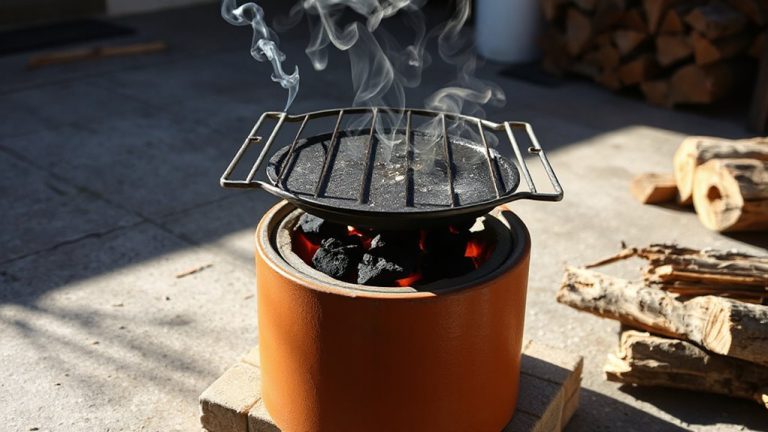
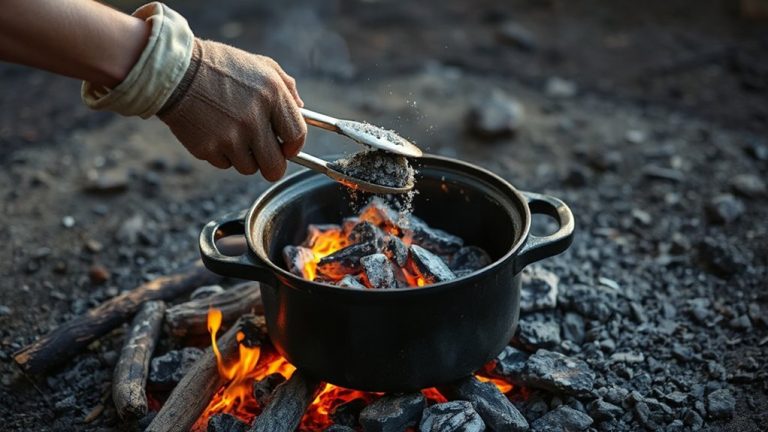
Roasting chickpeas directly over a flame demands attention to both method and equipment-your choice between foil and skillet shapes the texture, consistency, and overall success of the batch. Foil advantages include easy cleanup and gentle, even heat distribution when you crimp the edges to seal in steam. It’s ideal if you’re multitasking or lack specialized gear. But for better browning and control, skilled campers prefer skillet techniques. A cast-iron skillet delivers direct heat, promoting crispness, especially when stirred frequently with a wooden spatula. Preheating the skillet avoids sticking, and its heat retention works well over flickering flames. While foil reduces flare-ups, the skillet enhances flavor through light charring. Both methods work, but if you prioritize texture and precision, the skillet’s performance justifies the extra maintenance. Choose based on your fire setup and desired outcome.
Fix Soggy, Burnt, or Bland Campfire Chickpeas
You’ve chosen your method, whether it’s foil’s forgiving wrap or the skillet’s steady sear, and the chickpeas hit the heat-now what happens when they come out soft instead of crisp, blackened at the edges, or just flat on flavor? Sogginess usually means poor campfire temperature control; the heat’s too low or inconsistent. Crisping needs steady, moderate heat-aim for embers, not open flame. Burnt outsides? That’s excessive heat or uneven chickpea size selection; smaller beans roast faster and char if mixed with larger ones. Sort by size before roasting for even results. Blandness points to under-seasoning or skipping the oil toss-oil helps spices stick and aids browning. Season generously and mix well pre-heat. With attention to heat management and bean uniformity, you’ll avoid common pitfalls and deliver a reliably crunchy, flavorful, nutrient-dense snack every time.
On a final note
You’ve got a simple, nutritious snack when you roast chickpeas over a campfire. They’re high in protein and fiber, and with proper drying and seasoning, they crisp up well in a skillet or foil. Direct flame needs monitoring to avoid burning. While results vary with heat control, the method proves reliable with practice. It’s a smart, packable option for outdoor cooking-efficient, tasty, and easier than most campfire meals to get right consistently.