Selecting Stainless Steel Cooking Grates for Corrosion Resistance in Hot Smoking
You want a stainless steel grate that holds up under hot smoking’s heat and moisture, and grade 316 is your best bet. It resists corrosion far better than 304, thanks to molybdenum, which fights chlorides and acids. Rust weakens grates, ruins heat control, and can taint food. Clean while warm with a stainless brush, avoid harsh cleaners, and oil lightly after. Spot early wear like pitting or rust specks. Grade matters-316 means longer life, especially near coasts. There’s more to contemplate for peak performance over time.
Notable Insights
- Choose 316 stainless steel grates for superior corrosion resistance, especially in humid or coastal environments.
- Opt for grates with molybdenum content to resist pitting from chlorides and acidic meat residues during hot smoking.
- Inspect grates regularly for early corrosion signs like rust speckling, surface pitting, or flaking near edges.
- Clean grates after each use with a stainless steel brush and mild soap to preserve the protective oxide layer.
- Avoid abrasive cleaners and apply a light oil coating post-cleaning to enhance rust resistance and longevity.
Why Rust Resistance Is Crucial for Smoker Grates
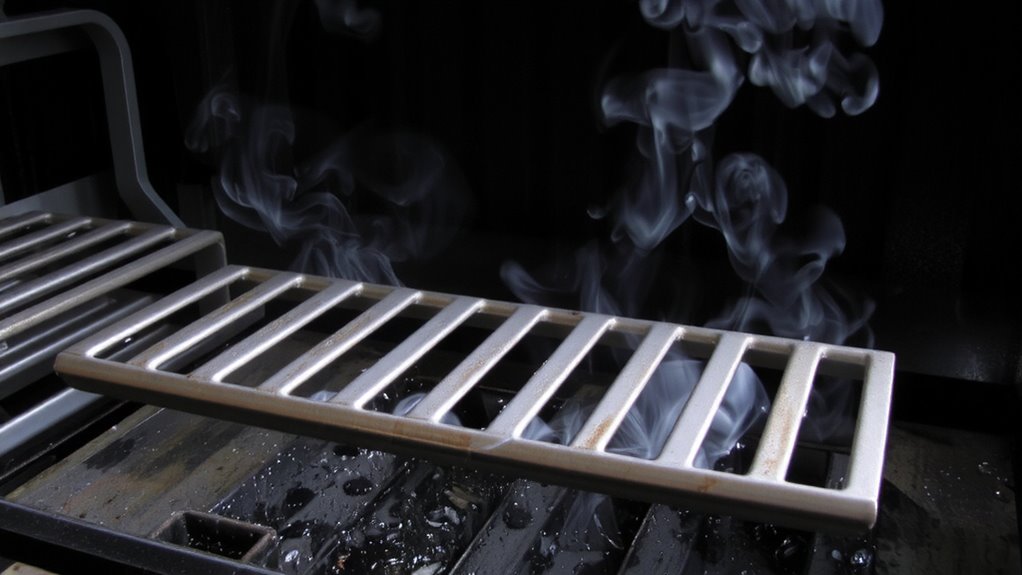
While you’re aiming for that perfect low-and-slow smoke, the last thing you want is your cooking grates undermining both performance and safety-and that’s where rust resistance really matters. Rust compromises structural integrity, weakens grates over time, and can even flake into food, posing health risks. Beyond safety, corrosion disrupts heat retention, leading to uneven cooking and frustrating hot spots. Stainless steel grates resist this degradation, maintaining consistent temperatures across the surface. They also prevent unwanted flavor transfer, ensuring your smoked brisket tastes like smoky beef-not metallic oxidation. Unlike lower-grade metals, rust-resistant grates endure humidity, grease, and temperature swings without flaking or warping. You’ll find they’re easier to clean and hold up better over seasons of use. For serious smoking, where flavor and precision matter, rust resistance isn’t just convenient-it’s essential for reliable results, food safety, and long-term grill performance. Upgrading to high-quality stainless steel grill grates ensures lasting durability and superior performance in demanding smoking conditions.
304 Vs 316 Stainless Steel Grates: Which Lasts Longer?
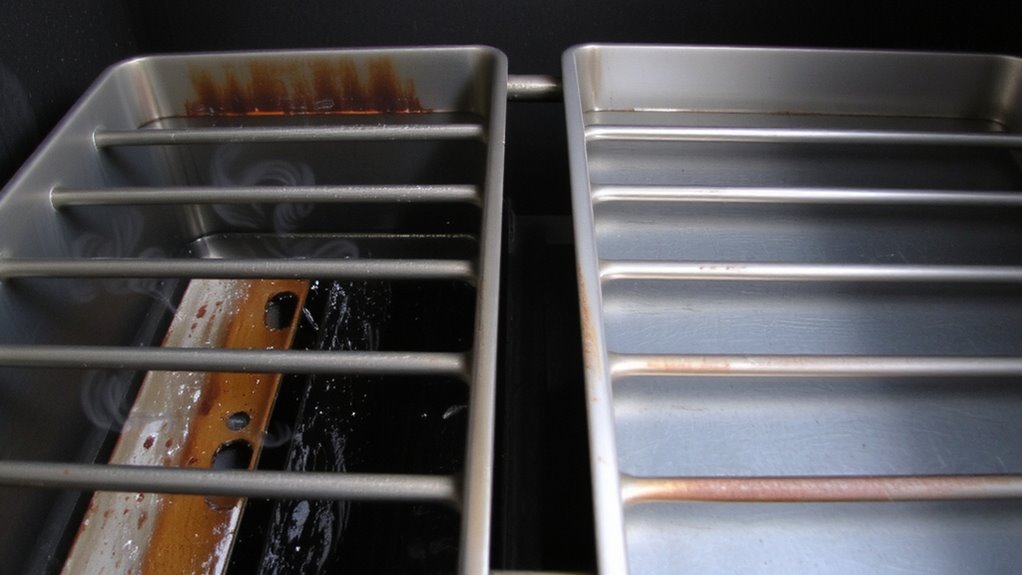
You’ve seen how rust resistance keeps your smoker performing and your food safe, but not all stainless steel is built the same-especially when comparing common 304 to marine-grade 316. You’ll get better longevity with 316, thanks to its molybdenum content, which boosts resistance to chlorides and acids. If you’re near coastal areas or frequently cook in humid conditions, this makes a real difference-316 handles marine environments far better. Even inland, industrial pollutants and moisture exposure can degrade 304 over time, leading to pitting and surface wear. While 304 performs well in average conditions, 316 offers superior durability under stress. It might cost more upfront, but its extended service life makes it a smarter investment. For serious hot smoking, especially in harsh climates, choosing 316 grates means less maintenance and longer-term reliability. You’ll spend less time fighting corrosion and more time perfecting your smoke.
How to Spot Early Signs of Grate Corrosion
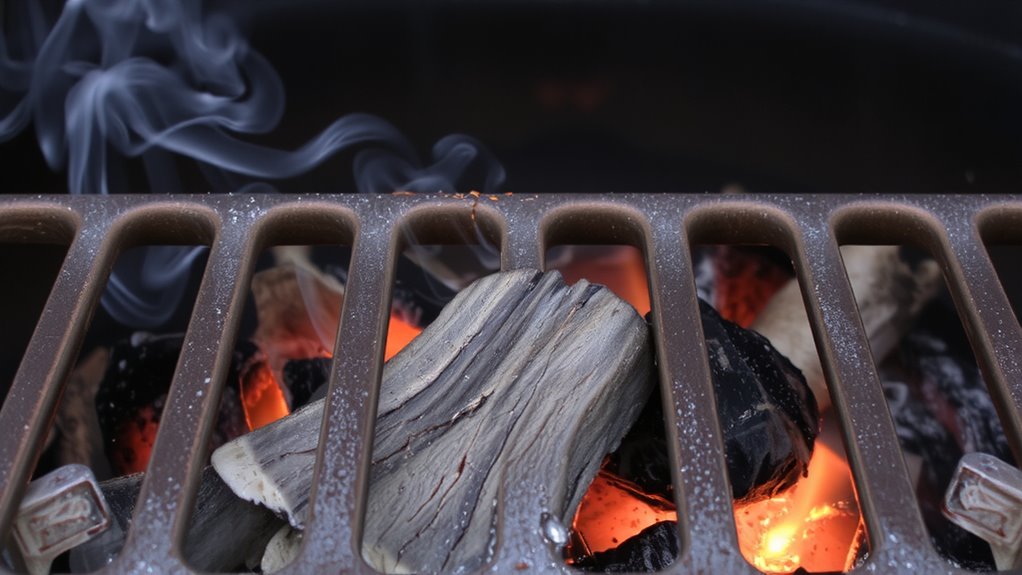
How can you tell when corrosion is starting to take hold on your stainless steel cooking grates? Early warning signs are subtle but critical. Look for surface pitting-tiny, rough divots that disrupt the smooth finish-and uneven discoloration patterns, like splotchy browns or rainbow-like tints, which suggest oxide breakdown. These aren’t just cosmetic; they signal weakening resistance to heat and moisture. A well-fitted grill cover can prevent many of these issues by shielding grates from moisture and environmental contaminants. Use the table below to assess what you’re seeing:
| Symptom | Appearance | What It Means |
|---|---|---|
| Surface pitting | Small, grain-like holes | Metal erosion has begun |
| Rust speckling | Red-brown dots | Iron in alloy is oxidizing |
| Discoloration patterns | Bluish, golden, or gray tints | Overheating or chemical exposure |
| Rough texture | Gritty feel under fingers | Passive layer compromised |
| Flaking spots | Chipping near edges | Severe localized corrosion starting |
Catching these early helps preserve performance and longevity.
Best Practices for Cleaning Stainless Steel Grates
A well-maintained stainless steel grate won’t just look better over time-it’ll perform more reliably and resist corrosion longer. Proper grate maintenance starts with scrubbing after each use while the grate’s still warm, using a stainless steel brush to remove residue without damaging the surface. Avoid abrasive pads or harsh chemicals-they strip the passive layer that protects against oxidation. Instead, opt for mild dish soap and a soft cloth, rinsing thoroughly. Your cleaning frequency should reflect how often you smoke; weekly sessions call for post-cook cleaning, while heavy use demands attention after every run. Over time, this routine preserves the metal’s integrity and boosts heat retention. Seasoning isn’t required like cast iron, but a light oil coating post-cleaning can help maintain luster and defense. Consistent care won’t just extend utility-it’ll guarantee cleaner searing and better flavor control with every cook. For optimal results, choose a best grill brush designed specifically for stainless steel to avoid scratching and ensure thorough cleaning.
How Grade Choice Impacts Your Smoker’s Lifespan
Many backyard pitmasters overlook one of the most critical factors in their smoker’s longevity: the stainless steel grade used in the cooking grates. Your choice directly affects material composition, which determines how well the grates resist rust, warping, and corrosion over time. Grades like 304 offer solid performance, thanks to higher chromium and nickel content, while lower grades may degrade faster under constant heat. Repeated heating and cooling cause thermal expansion, and cheaper steels can’t handle this stress as effectively, leading to warping or cracking. You’ll notice sagging grates or uneven cooking surfaces sooner than expected. Opting for 316 stainless adds molybdenum, boosting resistance to chlorides and moisture-ideal if you smoke near coastal areas. The right grade won’t just survive seasonal use; it’ll maintain structural integrity for years, saving you money and hassle. Invest wisely-you’re not just buying grates, you’re protecting your smoker’s future.
On a final note
You’ll want 316 stainless steel for your smoker grates if you’re serious about corrosion resistance, especially in humid or coastal areas. While 304 is solid, 316’s added molybdenum resists pitting from salt and smoke acids far better. Spot early corrosion by checking for rough spots or discoloration, then clean promptly with non-abrasive tools. Proper care extends grate life dramatically. Choosing the right grade isn’t just about durability-it’s about protecting your smoker’s performance and your investment over time.