Using a Portable Grill With Adjustable Grates for Perfect Searing
You get better searing with adjustable grates because they let you control heat exposure and maintain consistent contact over uneven flames. Set the grates low for steaks to maximize caramelization, or raise them for delicate foods like fish. Use lump charcoal for intense heat or propane for steady output. Preheat 10–15 minutes, pat meats dry, and use the right salt to build a crisp crust. Clean grates guarantee clean marks. You’ll see how fine-tuned adjustments elevate your results in every cook.
Notable Insights
- Adjust grate height to control direct heat exposure, enabling optimal searing without burning.
- Use lump charcoal for higher searing temperatures and authentic smoky flavor in portable grills.
- Set lower grates for steaks and burgers to achieve deep caramelization and distinct grill marks.
- Preheat the grill for 10–15 minutes with the lid closed to ensure stable, high searing temperatures.
- Pat steaks dry and season with salt before grilling to enhance crust formation and prevent sticking.
Why Adjustable Grates Give You Better Sear
Heat control is the secret weapon in achieving a perfect sear, and with adjustable grates, you’re not just cooking-you’re fine-tuning. By raising or lowering the grates, you manipulate direct heat exposure, creating ideal conditions for caramelization without burning. Grate tension control guarantees stability over uneven flames, preventing warping and maintaining consistent contact with food. This precision enhances sear marks and promotes even cooking across delicate items like fish or thin steaks. Heat zone isolation becomes possible when you set one grate level high for indirect warmth and another low for direct searing, mimicking restaurant-grade equipment. You’re not just managing temperature-you’re designing thermal landscapes. In real use, this adaptability means juicier burgers, crisp exteriors on sausages, and better results across diverse proteins. Unlike fixed grates, adjustable ones offer control that transforms portable grilling from basic to refined. It’s a functional upgrade serious cooks appreciate. Top models in the best portable grills category feature this adjustable grate design for superior heat management.
Choose the Right Fuel for High-Temp Grilling
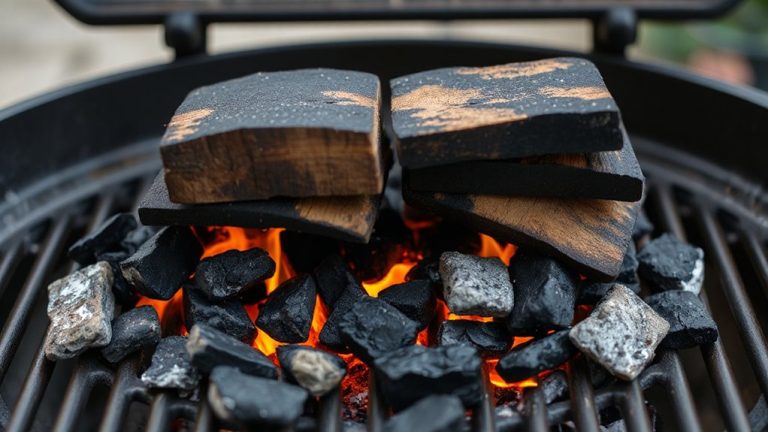
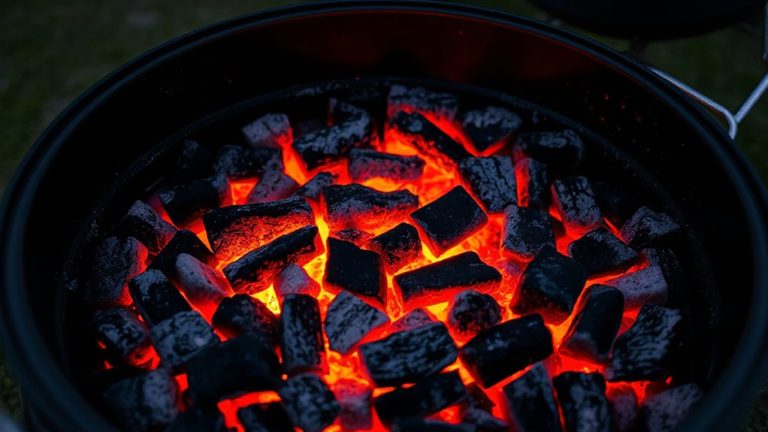
While you might think all grilling fuels deliver the same kind of heat, the reality is that not every fuel can sustain the high temperatures needed for effective searing on a portable grill with adjustable grates. For maximum heat and authentic flavor, your charcoal selection matters-lump charcoal burns hotter and cleaner than briquettes, often exceeding 700°F, ideal for a crisp sear. If you prioritize convenience and consistent control, propane offers solid gas efficiency, especially in wind-resistant burners that maintain steady output. Though it typically maxes out around 600°F, modern portable gas grills compensate with even heating and quick start-up. Ultimately, charcoal gives you peak heat and smoky depth, while gas wins for ease and fuel economy. Your cooking style and searing goals should guide the decision-both can work, but only if matched to your grill’s design and performance limits. For those seeking top performance, consider one of the best charcoal grills based on expert testing and real-world use.
Set Your Grate Height for Each Food Type
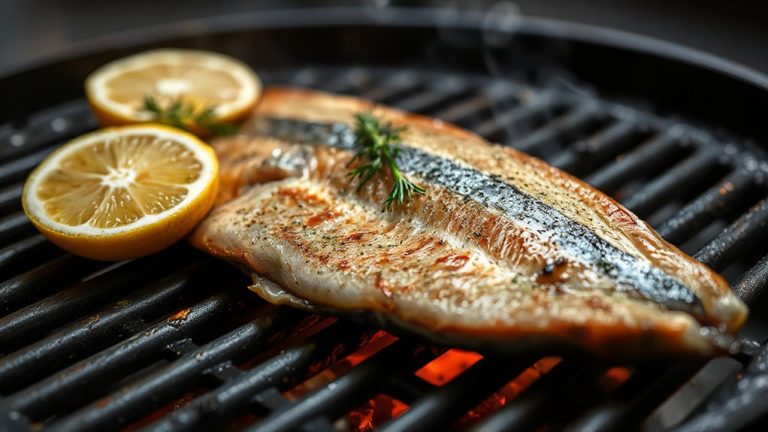
Since your grill’s adjustable grates let you fine-tune cooking conditions, you’ll want to match the height to each food’s needs-getting this right means the difference between a perfect sear and uneven results. For steaks and burgers, lower the grates close to the heat source to achieve that deep, caramelized crust, but watch for flare-ups. Thicker cuts like chicken or vegetables do better with the grates raised slightly, allowing more even heat penetration without charring. Delicate foods like fish fillets or shrimp need the highest setting to prevent sticking and overcooking. Always guarantee grill stability before adjusting, especially on uneven terrain, and use wind protection to maintain consistent temperatures. A stable setup means better control, while blocking gusts improves both safety and searing precision. Choosing the right height isn’t just about doneness-it’s about maximizing flavor, texture, and efficiency no matter where you grill.
Preheat Your Portable Grill Like a Pro
If you want consistent searing and fewer sticking issues, letting your portable grill reach the right temperature before cooking is essential-most models need 10 to 15 minutes with the lid closed to stabilize heat across the grates and burn off residue. Proper preheating improves heat control, ensuring even cooking and distinct grill marks. You’ll also minimize food adhesion since hot metal creates an instant sear that seals proteins quickly. Always consider grill placement-choose a stable, level surface away from wind or flammable materials to maintain consistent temperatures. Uneven placement disrupts airflow and compromises performance. For adjustable grates, preheating with the rack in position helps you assess real-time heat distribution. You’ll notice better responsiveness when you start cooking, especially with leaner cuts that demand precision. Skipping this step risks uneven results and frustrating flare-ups. Preheating isn’t just routine; it’s foundational to mastering outdoor cooking with confidence and control.
Prep Steaks for a Crispy, Juicy Sear
Now that your portable grill has reached the right temperature and the grates are evenly heated, it’s time to focus on how you prepare your steaks for that perfect balance of crisp crust and juicy interior. Your success hinges on two key steps: marinade selection and surface patting. A proper marinade enhances flavor and tenderness, but avoid overly sugary blends that burn easily. After marinating, always pat the steak’s surface dry-moisture is the enemy of searing. A dry exterior guarantees better contact with the hot grates, promoting Maillard reaction and crust development. Consider thickness and cut when timing prep, as leaner steaks respond better to brief marinades. For optimal seasoning, apply a generous amount of best salt for steak to enhance flavor before searing.
| Cut | Marinade Time | Surface Patting Needed? |
|---|---|---|
| Ribeye | 2–4 hours | Yes |
| Filet Mignon | 1–2 hours | Yes |
| New York Strip | 2–3 hours | Yes |
| Flank | 4–6 hours | Yes |
| Sirloin | 3–4 hours | Yes |
How to Sear Perfectly: Timing and Flipping
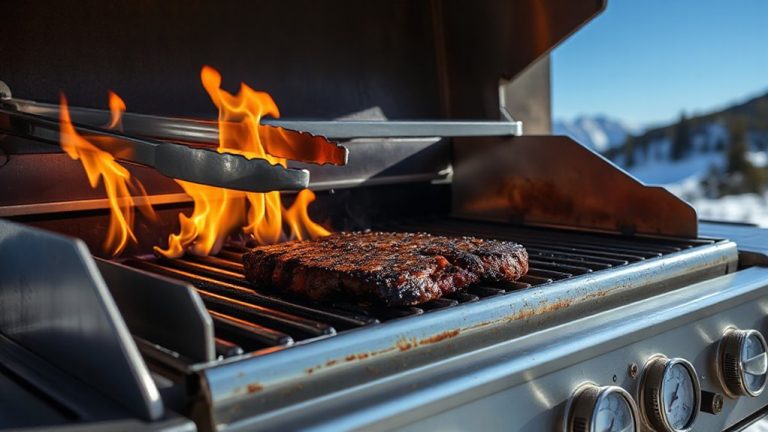
One precise sear can make the difference between a good steak and a great one, and mastering it starts with understanding heat, timing, and technique. You’ve prepped your steaks, and now it’s time to grill-place them over high heat with the grates properly adjusted for even contact. Wait patiently; flipping too soon breaks the initial crust and ruins sear marks. For a 1-inch thick cut, aim for 2–3 minutes per side to develop those deep, flavorful lines. The cooking duration varies by thickness and desired doneness, but never exceed 4 minutes per side for medium-rare. Use tongs to flip only once-excessive turning disrupts heat transfer and slows browning. You’ll notice the steak releases easily when it’s ready to flip. Consistent sear marks aren’t just for show-they signal proper Maillard reaction, essential for restaurant-quality flavor. Patience and precision deliver the best results.
Keep Grates Clean for Best Results
Keeping your grill grates clean isn’t just about maintenance-it’s a game-changer for flavor, sear quality, and overall cooking performance. Grease buildup and leftover char interfere with heat transfer, leading to uneven searing and off-flavors. Proper grill maintenance guarantees your adjustable grates work efficiently, delivering consistent contact and superior temperature control. After each use, while the grates are still warm, scrape off residue with sturdy cleaning tools like brass-bristle brushes or non-abrasive pads to avoid damaging the surface. For deeper cleans, remove the grates and soak them in a mix of mild degreaser and warm water. Inspect them regularly for warping or rust, especially if you’re frequently on the move. Using the right cleaning tools extends the life of your portable grill and maintains peak searing capability. A clean grate isn’t just safer-it’s essential for restaurant-quality results every time.
On a final note
You’ve got the tools-now it’s about using them right. An adjustable grate puts you in control, letting heat sear steaks fast while avoiding flare-ups. Pair it with clean grilling habits and proper preheating, and you’ll lock in juices every time. Portable doesn’t mean compromised; with the right setup, you get restaurant-quality crusts outdoors. Just stay consistent, clean the grates, and match height to food. That’s how real BBQ wins happen.