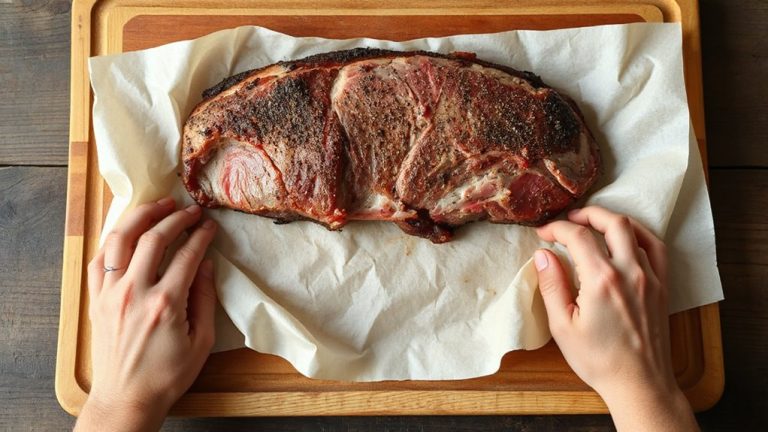
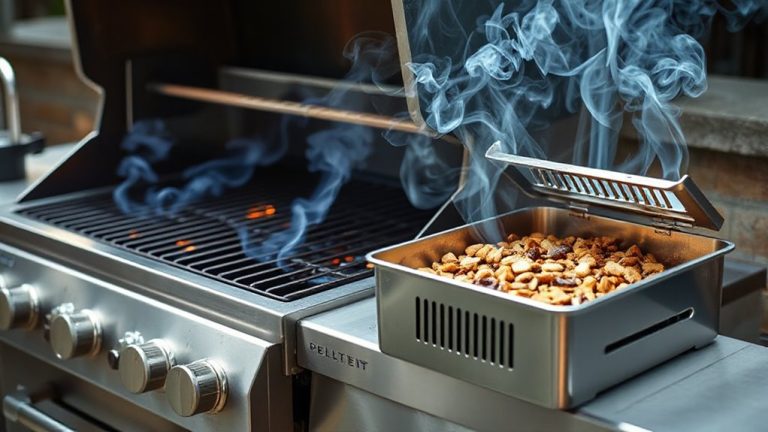
Exploring the Impact of Temperature Control on Smoker-Based Cooking Techniques
You need steady heat to master smoker-based cooking-too high, and your brisket turns tough; too low, and chicken won’t develop proper bark or smoke ring. Maintaining 225–250°F breaks down collagen evenly while fueling smoke absorption and Maillard reactions. Fluctuations from poor airflow or damp wood sabotage texture and flavor. Pellet smokers offer precision, but all types demand attention to airflow, fuel, and insulation. The right balance transforms raw meat into tender, smoky perfection-every degree matters if you want consistent, restaurant-quality results.
Notable Insights
- Precise temperature control ensures optimal collagen breakdown and prevents tough meat.
- Maintaining 225°F yields best results for brisket and pork shoulder tenderness.
- Chicken requires higher heat at 275°F for crisp skin and proper smoke ring formation.
- Inconsistent fuel or airflow causes temperature swings, affecting cooking uniformity.
- Smoker design impacts heat stability, with pellet models offering superior temperature precision.
How Heat Ruins or Rescues Your Smoked Meat
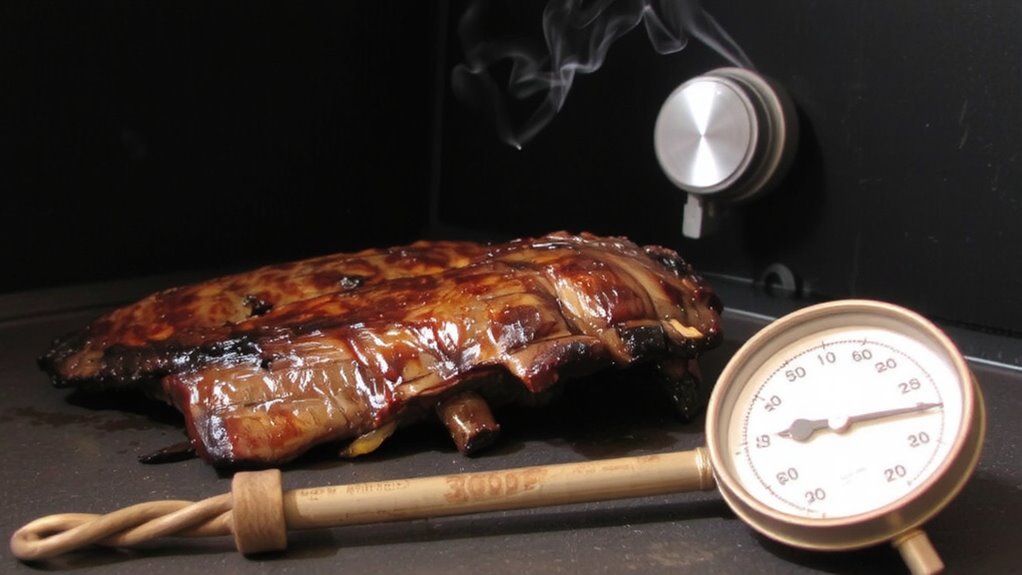
Ever wonder why some briskets come out fork-tender while others turn out dry and tough? It all comes down to how you manage heat. When you cook too hot or too fast, the collagen breaks down before the meat’s fibers relax, which ruins meat texture, leaving it chewy and uneven. But maintain a steady, low temperature, and you let connective tissues melt gradually, yielding that prized tenderness. Heat also drives flavor development-Maillard reactions and smoke absorption deepen taste over time. Too much heat, though, and those flavors scorch or stale. You’re not just cooking meat; you’re balancing chemical and physical changes. Mastery means respecting both time and temperature. If you rush the process, you risk sacrificing both juiciness and complexity. Consistent, indirect heat rescues meat by promoting even breakdown and rich smoke ring formation. Ultimately, your smoker’s heat control isn’t just a tool-it’s the deciding factor in whether your results impress or disappoint. For beginners, achieving this precision is easier with reliable equipment like the best beginner electric smokers, which offer consistent temperature control.
Best Smoker Temperatures for Brisket, Pork, and Chicken
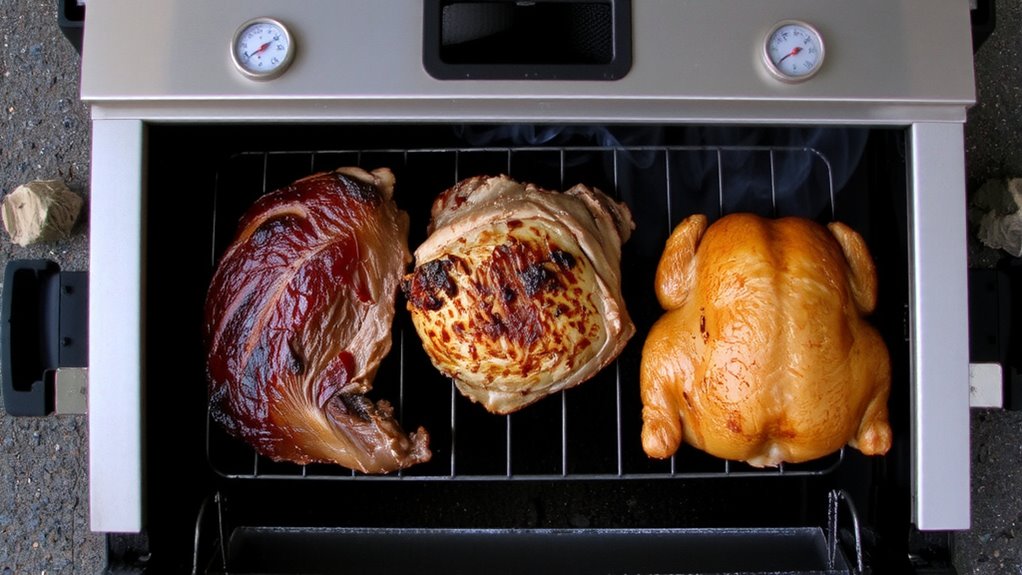
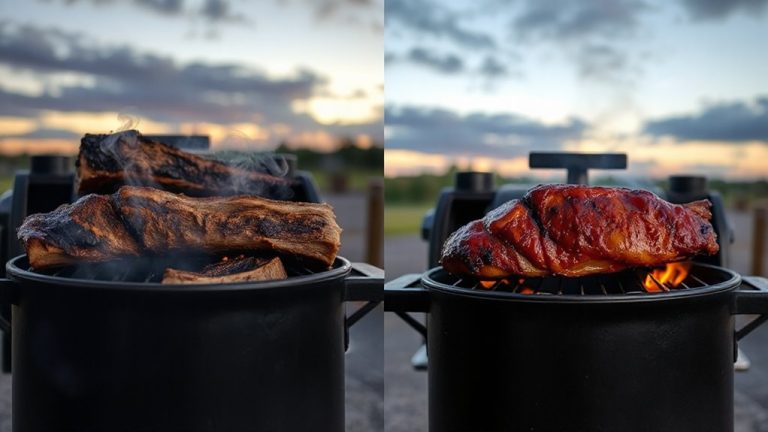
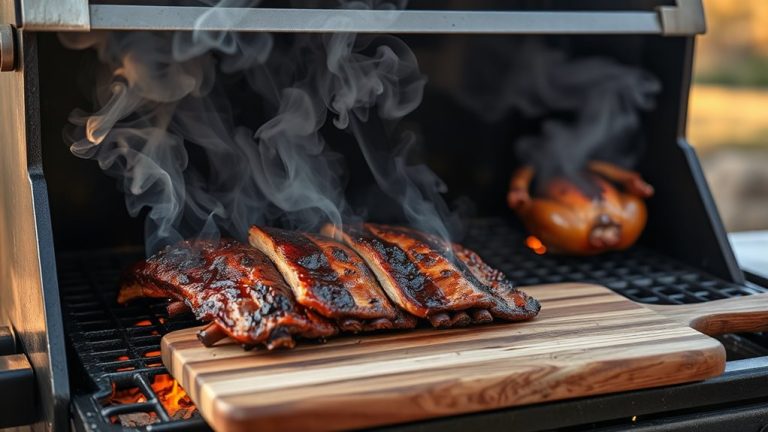
Most seasoned pitmasters agree that maintaining the right temperature range is critical when smoking brisket, pork, and chicken, since each meat responds differently to low-and-slow heat. For brisket, aim for 225°F-you’ll get ideal fat rendering balance and deep smoke penetration, enhancing both texture and flavor while encouraging a vibrant smoke ring development. Pork shoulder performs just as well at 225–250°F, where collagen breaks down smoothly without drying out, and the smoke ring remains visible beneath the bark. Chicken, however, needs slightly higher heat-275°F guarantees crisp skin and juicy meat, though going too low risks underdeveloped flavor and weak smoke ring development. You’ve got to match the meat’s structure with precise thermal control. Pushing beyond these ranges might cook faster, but you’ll sacrifice tenderness, moisture, and the hallmarks of well-smoked barbecue. Stay steady, and your results will show it. Using a reliable meat thermometer ensures accurate core temperature readings for perfect doneness every time.
Why Your Smoker Fluctuates (And How to Fix It)
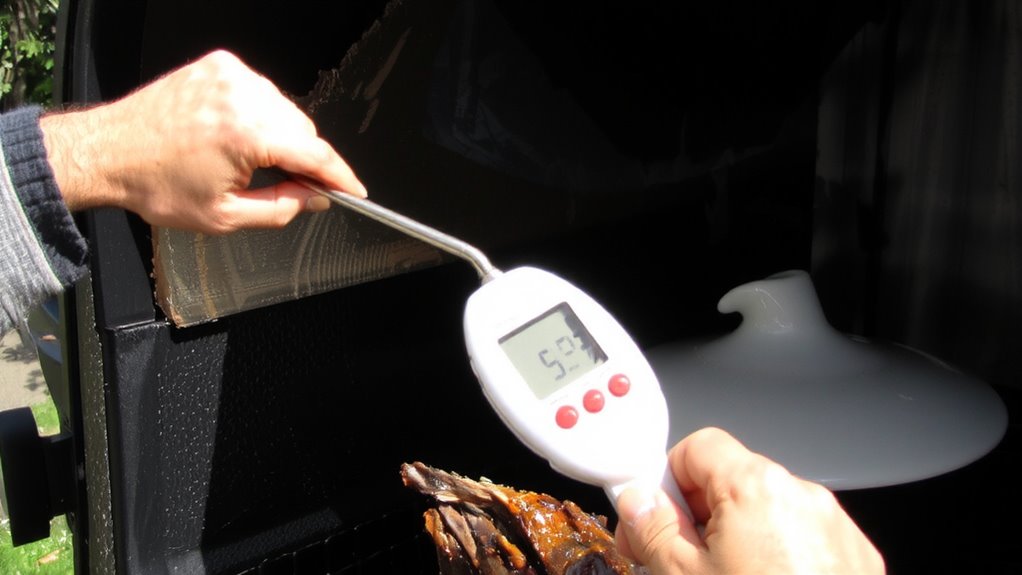
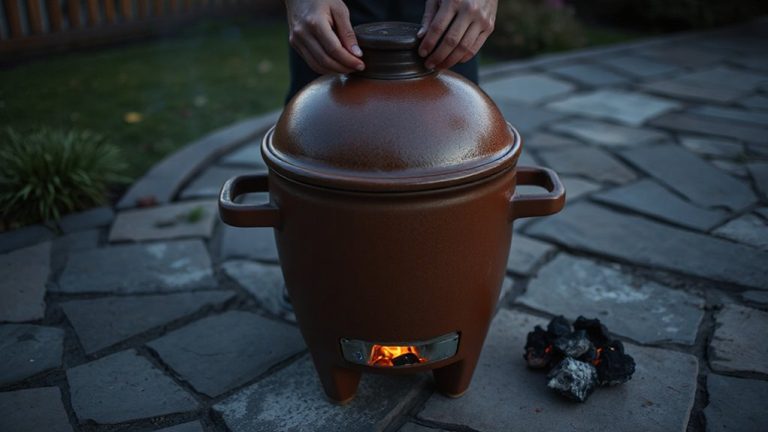
While even well-designed smokers can experience temperature swings, understanding the root causes helps you maintain tighter control over your cook. Your smoker’s fluctuations often stem from inconsistent fuel type and unstable airflow dynamics. Different fuels-like lump charcoal or wood chunks-burn at varying rates, affecting heat output. If you’re switching types without adjusting, you’ll see swings. Airflow dynamics play an equal role: too much oxygen and temps spike, too little and the fire suffocates. Most smokers rely on intake and exhaust dampers to regulate this, but even small obstructions or misalignments cause wild shifts. You’ve got to monitor and tweak them regularly. Even ambient wind or damp wood can disrupt equilibrium. The best results come from matching your fuel type to your smoker’s design and mastering airflow dynamics through steady observation and incremental tweaks. Consistency isn’t accidental-it’s managed.
Smoker Type vs. Temperature Control: What You Need to Know
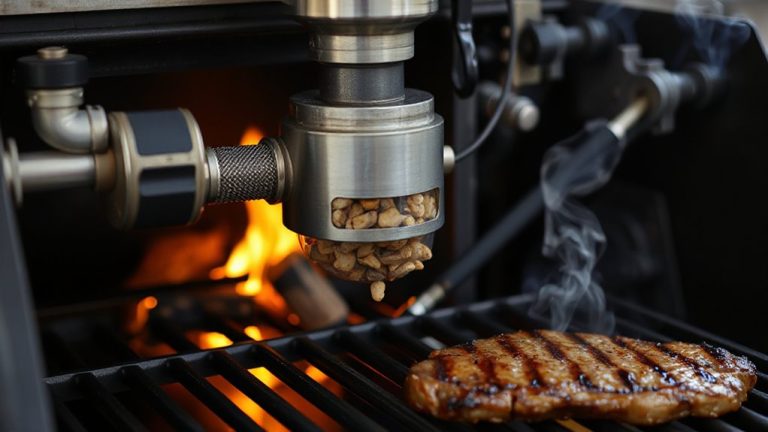
Because your smoker’s design directly shapes how easily you can maintain a steady temperature, choosing the right type matters more than many realize. Different smoker types-whether offset, vertical, pellet, or kettle-offer varied levels of control due to their inherent smoker design. For instance, offset smokers rely heavily on manual adjustments and demand constant monitoring, as their airflow dynamics are less predictable. Pellet smokers, by contrast, use automated augers and digital thermostats, offering tighter temperature regulation with minimal effort. Vertical water smokers fall in between, using water pans to stabilize heat but still requiring attention to airflow dynamics. Even small design details, like the placement of dampers or chimney size, impact how well heat circulates and how consistently it’s maintained. You’ll find that models with well-balanced airflow dynamics and insulated chambers respond more reliably to temperature changes, giving you greater precision. Choosing wisely means fewer surprises and better results over long cooks. Among the most reliable options for consistent heat are best wood pellet smokers.
How to Maintain Steady Heat for Perfect Results
You’ve picked your smoker, and now it’s time to keep that temperature steady-where the real work begins. Maintaining consistent heat hinges on two key factors: heat diffusion and fuel consistency. Good heat diffusion ensures warmth spreads evenly, preventing hot spots that can cook food unevenly. Smokers with thick walls or heat deflectors tend to excel here. Fuel consistency is just as essential-whether you’re using wood, charcoal, or pellets, the size, dryness, and type must remain uniform. Irregular fuel leads to erratic burns and temperature swings. Avoid opening the lid too often, as this disrupts internal equilibrium. Use a reliable thermometer and adjust air vents gradually. With steady airflow and monitored fuel input, your smoker maintains ideal conditions. Master these, and you’ll achieve not just doneness, but depth-tender, flavorful results every time.
On a final note
You’ve seen how precise temperature control defines success in smoker cooking. Too hot, and your brisket dries out; too low, and chicken risks safety. Fluctuations stem from poor insulation or fuel inconsistency, especially in offset smokers. Pellet models offer stability, while charcoal demands vigilance. Maintaining 225–250°F consistently guarantees tender, flavorful results. Your technique matters, but reliable heat management separates good BBQ from exceptional. Invest time in mastering your smoker’s behavior-it pays off in every bite.