How to Wrap Meat in Butcher Paper to Trap Seasoning While Allowing Smoke Through
Wrap your meat in food-grade pink butcher paper when it hits 160°F to lock in seasoning while letting smoke enhance flavor. Choose 40–45 gsm paper to balance breathability and protection, avoiding waxed or freezer types that trap steam. Wrap snugly with no gaps, folding like a burrito to seal in juices and preserve bark texture. Unlike foil, this method builds a crisp, smoky crust-keep refining your technique for even better results.
Notable Insights
- Wrap meat at 160–170°F after the bark forms to lock in seasoning and retain smoky flavor.
- Use FDA-approved, unwaxed, 40–45 gsm pink butcher paper for optimal smoke penetration and seasoning retention.
- Wrap snugly without gaps to trap seasoning juices while allowing smoke to slowly permeate the paper.
- Fold the paper tightly like a burrito to seal in flavors but avoid overwrapping, which traps excess steam.
- Avoid waxed paper or foil, as they either block smoke or create steam that washes away seasoning.
When to Wrap Meat in Butcher Paper
Why do some pitmasters swear by wrapping meat halfway through the cook, while others wait until the bark sets? It comes down to timing temperature and moisture retention. You’ll want to monitor your meat closely-most benefit from wrapping when they hit the stall, usually between 150°F and 170°F internal temperature. At this point, evaporative cooling slows the cook, and wrapping helps push through it efficiently. Doing it too soon risks trapping too much moisture, which can soften the bark you worked hard to build. Wrap too late, and you lose valuable time and tenderness. Butcher paper strikes a balance: it locks in enough moisture without steaming the meat. Your timing affects texture and flavor, so waiting until the crust has set-but before the stall overstays its welcome-is often ideal. This approach maintains bark integrity while boosting moisture retention just when the meat needs it most.
Why Butcher Paper Beats Foil for Smoking
While both butcher paper and foil can help meat push through the stall, you’ll find that butcher paper gives you better control over bark texture and smoke penetration. It allows slight breathability, enabling continued smoke contact while locking in juices-key for flavor infusion. Foil, in contrast, seals too tightly, steaming the bark and sacrificing texture retention. You want that crisp, robust exterior, not a soggy layer. Butcher paper strikes the ideal balance.
| Feature | Butcher Paper | Foil |
|---|---|---|
| Smoke Penetration | Yes | Minimal |
| Bark Texture | Crisp, firm | Soft, mushy |
| Moisture Control | Balanced | Excessive |
| Flavor Infusion | Rich, smoky | Dull, steamed |
| Texture Retention | Excellent | Poor |
Pick the Best Butcher Paper for Smoky Flavor
When it comes to preserving that hard-earned smokiness, the integrity of your butcher paper makes all the difference. You want a paper that balances paper thickness and smoke permeability to protect your meat without sealing out flavor. Look for FDA-approved, unwaxed, food-grade paper-ideally around 40–45 grams per square meter. That thickness resists tears and holds in juices, yet still lets smoke weave through. Thinner papers risk breaking or saturating too fast, while overly thick versions can block smoke, dulling that rich barbecue character you’re after. Uncoated parchment or pink butcher paper is your best bet; it’s engineered for breathability, maintaining smoke permeability throughout long cooks. Avoid freezer paper or waxed alternatives-they’ll trap steam and hinder bark development. In practice, quality pink paper gives you control: it locks in seasoning, allows smoke penetration, and delivers a crisp, flavorful crust. Choose wisely-your smoke flavor depends on it.
How to Wrap Brisket in Butcher Paper
About halfway through the smoke, once the brisket’s surface has developed a deep mahogany crust and the internal temperature hits around 160–170°F, it’s time to wrap. You’ve already invested in quality meat grading-now protect that investment. Tightly but gently, pull a sheet of butcher paper and lay the brisket fat-side up. If you used a brisket injection, sealing it now locks in those seasoned juices. Fold the long sides over the meat, then crease the ends like a burrito, ensuring no gaps.
| Effort | Reward |
|---|---|
| Wrapping too loose | Dry, uneven bark |
| Skipping injection | Flat flavor depth |
| Ignoring meat grading | Tough, inconsistent texture |
| Proper wrap + smoke | Juicy, smoky perfection |
This method balances moisture retention with smoke penetration-essential for a competition-worthy finish.
Don’t Make These Butcher Paper Mistakes
You’ve wrapped your brisket just right-tight enough to hold in the juices, loose enough to let the smoke work its magic-and now it’s time to avoid the pitfalls that can undo all that careful effort. Choosing the wrong paper thickness is a common misstep; too thin, and it tears easily, reducing moisture retention, too thick, and it resists smoke penetration. You want 40-pound pink butcher paper-standard for a reason. Don’t seal it like a roast; overwrapping suffocates the meat, trapping too much steam and leading to soggy bark. Also, avoid regular parchment or wax paper-neither breathes like butcher paper, which defeats the purpose. Wait too long to wrap, and you’ll lose the balance between tenderness and texture. Timing and material matter-using the correct paper thickness guarantees steady moisture retention while still allowing vapor to escape, keeping your cook on track without sacrificing flavor or consistency.
Why Butcher Paper Gives You Crispier Bark
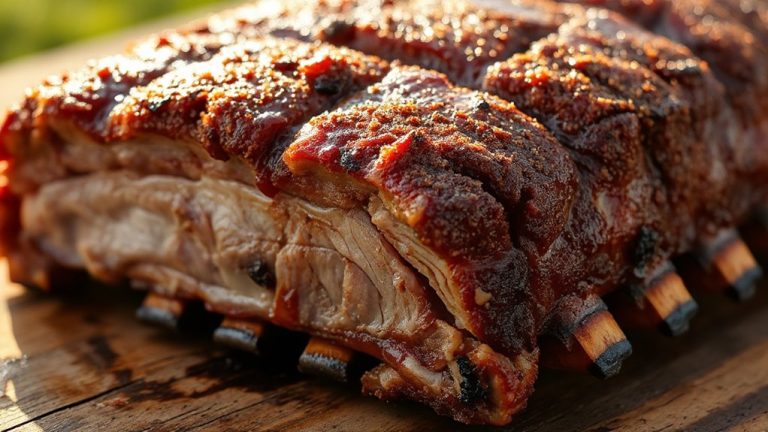
Though it might seem counterintuitive that wrapping meat could lead to a crisper exterior, butcher paper actually promotes better bark formation than foil or no wrap at all-thanks to its unique breathability. You let moisture escape while still trapping seasoning, which prevents the surface from becoming soggy. Unlike foil, which seals in steam and softens the crust, butcher paper allows for consistent smoke penetration, enhancing flavor without sacrificing texture. This is especially noticeable with pork texture-whether it’s shoulder or ribs-where a robust bark adds both flavor and mouthfeel. The paper’s porous structure maintains a balance between humidity and airflow, helping render fat more efficiently and firming up the outer layer. You get a dark, flavorful crust that’s snappy, not sticky. When you prioritize bark quality, butcher paper outperforms other options by supporting both smoke penetration and surface drying-two keys to barbecue excellence.
On a final note
You’ve seen how butcher paper locks in seasoning while letting smoke enhance the meat’s flavor. It strikes a balance foil can’t-promoting a crisp bark without steaming the surface. When used at the right time, typically after the stall begins, it improves texture and smoke penetration. High-performing, breathable paper makes a noticeable difference in brisket and pork, proving itself a pitmaster’s reliable choice for consistent, quality results.