Discover the Art of Building Layered Flavors in Your Outdoor Cookery Efforts
Start with a marinade using acid and oil to tenderize and infuse flavor, then build with a custom dry rub that adds depth and forms a savory crust when seared. Match your wood smoke to the meat-bold hickory for beef, milder apple for pork-and layer in spice gradually, balancing heat with sweetness or brightness. Finish with a glaze, citrus zest, or fresh herbs to cut richness and elevate the dish. These steps don’t just add flavor-they create dimension, and there’s more to getting them just right.
Notable Insights
- Use acidic marinades with oil to tenderize and infuse flavor, choosing bases like citrus or vinegar paired with fresh herbs and garlic.
- Build depth with custom dry rubs that balance salt, sweet, and spice, tailored to the meat and cooking method.
- Match wood smoke intensity to meat type-bold woods for robust meats, mild woods for delicate proteins.
- Layer heat strategically by combining dried spices early and fresh chilies later for balanced, evolving flavor.
- Finish dishes with bright elements like citrus zest, fresh herbs, or glazes to cut richness and elevate complexity.
Start Here: Pick the Right Marinade Base
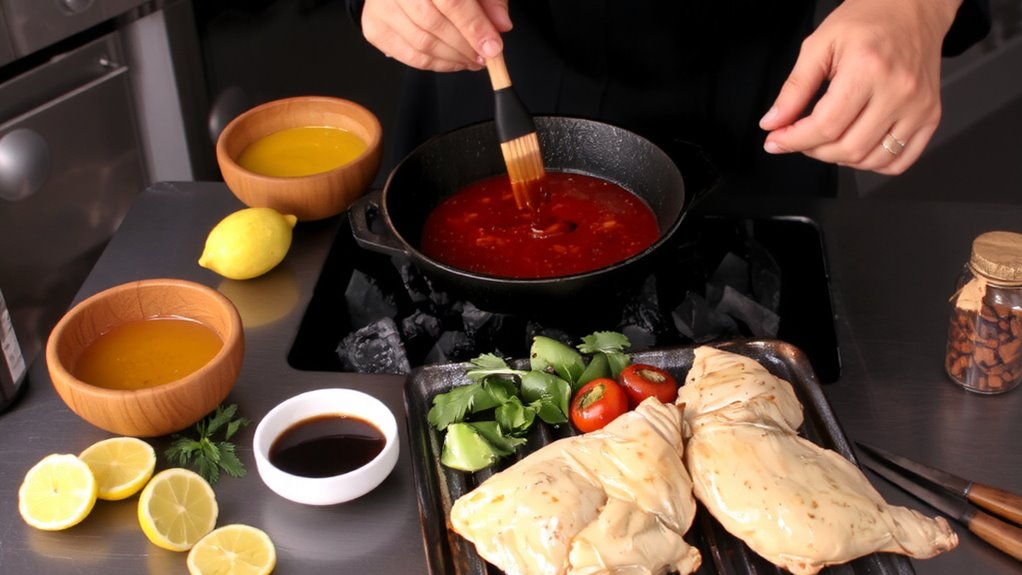
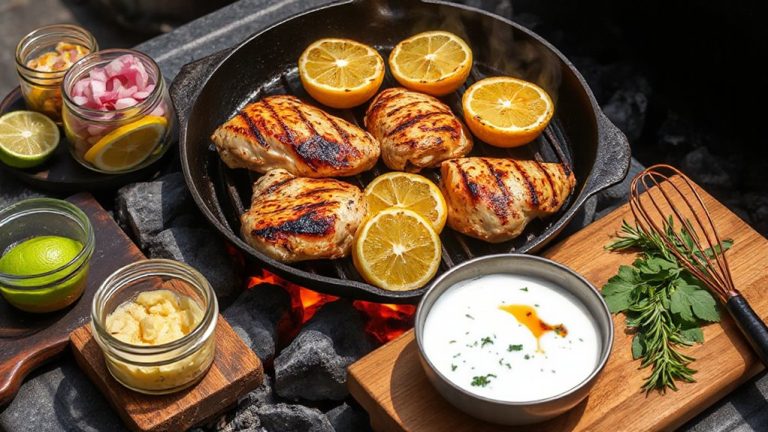
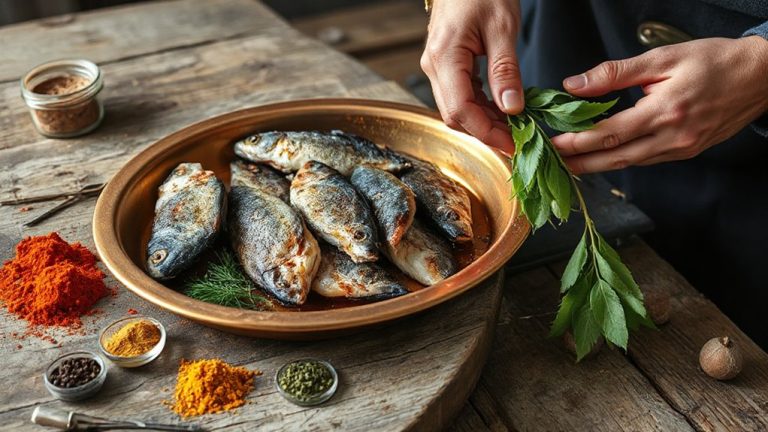
A good marinade starts with the right base, and getting this step right can make or break your outdoor cook. You’re aiming for a balance-something acidic like citrus or vinegar to tenderize, paired with oil to carry flavor deep into the meat. The marinade consistency should coat the food, not drip off; too thin, and it won’t cling, too thick, and it blocks flavor absorption. Ingredient freshness directly shapes potency: wilted herbs, stale spices, or old citrus juice dull the result. Fresh garlic, vibrant herbs, and just-squeezed acids elevate the profile dramatically. For steaks, a robust olive oil and red wine vinegar base works well; for fish, something lighter-like sesame oil and lime-lets the natural taste shine. Always marinate in non-reactive containers and refrigerate. This foundational step sets the stage-skip shortcuts, and you’ll taste the difference in every bite. Performance hinges on precision, not chance. For those short on time, a high-quality premade chicken marinade can deliver consistent, flavorful results with minimal effort.
Boost Flavor With Custom Dry Rubs
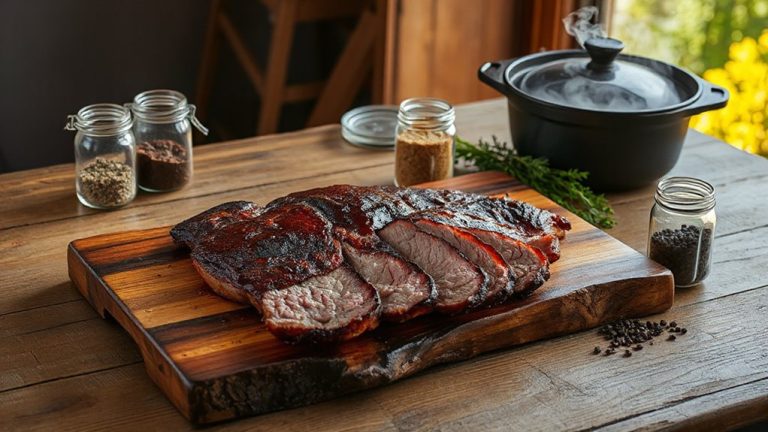
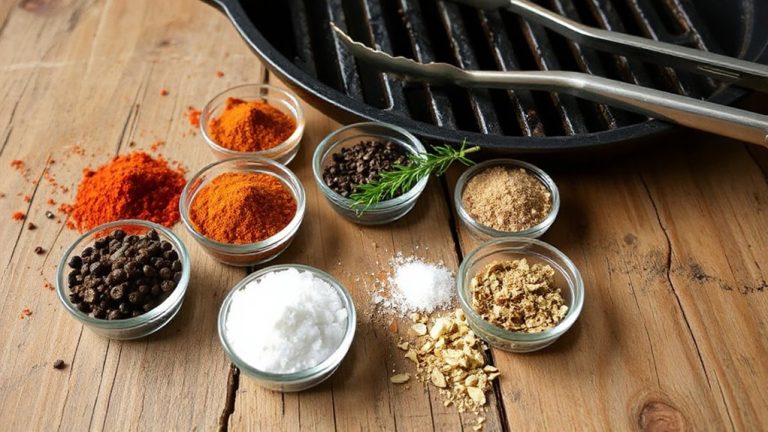
Flavor doesn’t just happen-it’s built, and your dry rub is one of the most powerful tools for creating depth in outdoor cooking. You’re not just seasoning; you’re layering complexity that sears into crust and penetrates meat. A well-balanced rub combines spices that deliver smoky sweetness-think smoked paprika or a touch of brown sugar-with herbal depth from dried thyme, rosemary, or oreg-an-o. Salt anchors the mix, while pepper adds bite. Unlike marinades, dry rubs form a flavorful bark, enhancing texture and taste without moisture. You can tweak ratios to match your fuel: more sugar for quick grills, less for long smokes. The best rubs aren’t just recipes-they’re tailored systems, responding to cut, heat, and smoke level. When you build your own, you control the profile, ensuring every bite reflects intention, not guesswork. For inspiration and expert-curated blends, check out the Best Grilling Seasonings based on performance, versatility, and flavor balance.
Pair Smoke With Meat for Richer Flavor
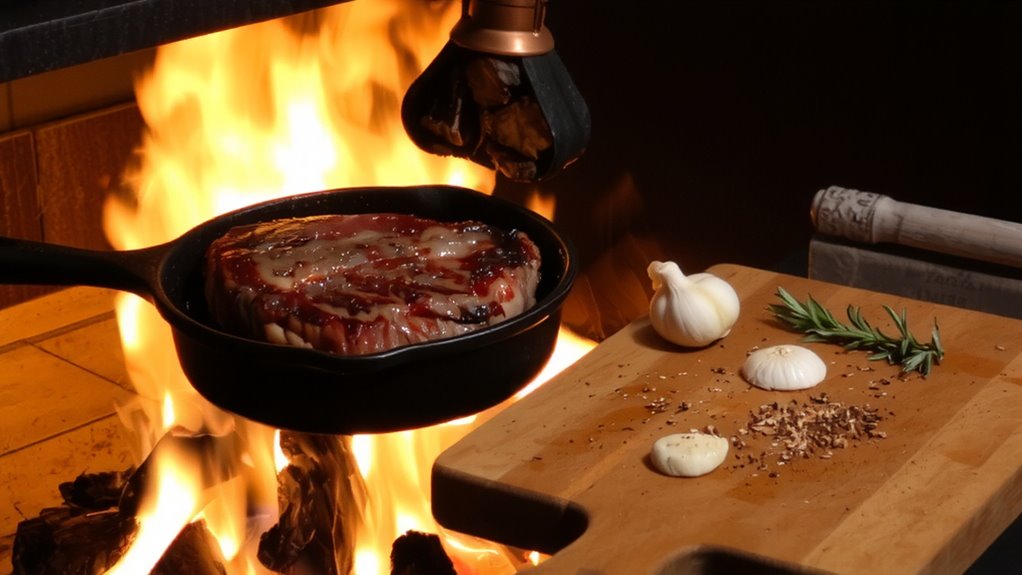
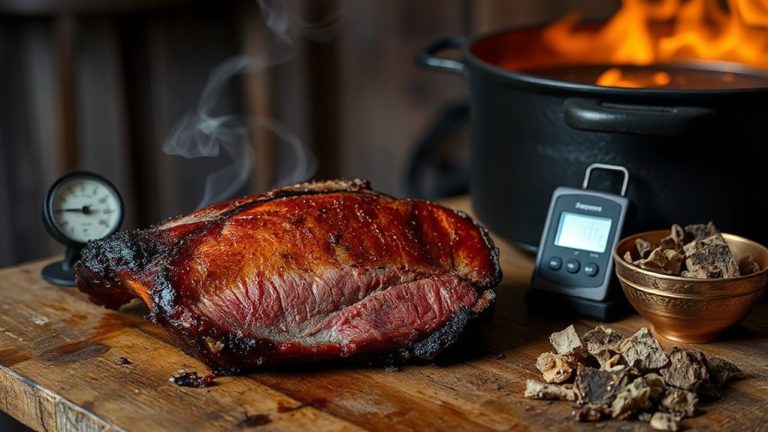
While some pitmasters treat smoke as a one-size-fits-all seasoning, the truth is that matching wood to meat makes or breaks the depth of flavor in slow-cooked barbecue. Your meat selection directly influences which wood delivers ideal smoke infusion. Stronger meats like beef brisket stand up to bold woods, while delicate poultry shines with milder smoke. Choosing the right pairing enhances, not overwhelms.
| Meat Type | Recommended Wood |
|---|---|
| Brisket | Post oak or hickory |
| Pork shoulder | Apple or cherry |
| Turkey | Pecan or maple |
You’ll notice cleaner, more nuanced results when smoke infusion aligns with the fat content and texture of your meat selection. Over-smoking creates bitterness, so balance is key. Mastering this harmony elevates your outdoor cookery from good to exceptional, delivering rich, layered results every time. For consistent smoke quality, always use wood that has been properly seasoned and stored, as best smoking wood choices are determined by both species and curing process.
Add a Kick: Balance Spice in Your Layers
Because heat and spice interact in complex ways during outdoor cooking, getting the kick right means more than just piling on chili flakes or cranking up the cayenne. You need to take into account the heat level of each spice and how it evolves over time-direct flame can intensify some chilies while mellowing others. Start with dried spices early to build depth, then layer in fresher, brighter heat like chopped jalapeños later to maintain punch. Balancing this heat with flavor contrast-say, sweet carrots against fiery gochujang-elevates the whole dish. Don’t rely solely on capsaicin for excitement; use spices like smoked paprika or Szechuan peppercorns that offer complexity beyond burn. A well-layered spice profile shouldn’t overwhelm-it should intrigue, with each bite revealing new dimensions. Manage heat like seasoning: incrementally, with attention to the overall structure. That’s how you turn a simple grill session into a flavorful experience worth savoring.
Finish With Brightness: Glazes, Citrus, and Fresh Herbs
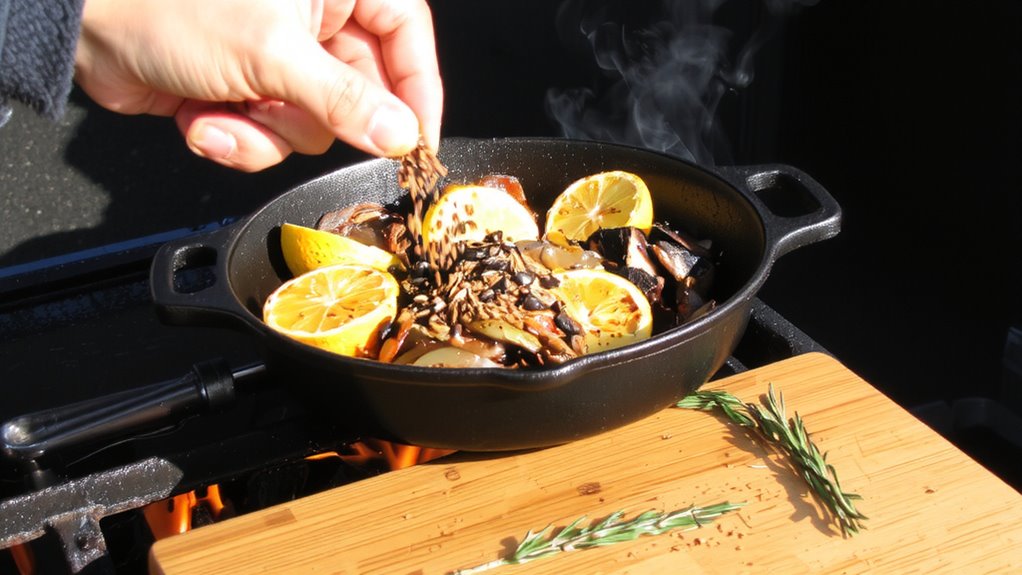
You’ve built depth with spices and managed the heat to complement the proteins and vegetables on the grill, but the final lift-that vibrant note that makes the dish sing-comes from brightness. A well-applied glaze, rich with acidity and subtle sweetness, caramelize beautifully over the final minutes, enhancing texture and taste. Citrus zest, finely grated, delivers aromatic oils without the sharp tang of juice, intensifying flavor complexity while cutting through richness. A final herb garnish-think parsley, cilantro, or dill-adds both color and a fresh layer that elevates the entire plate. These elements don’t mask the smoky foundation; they balance it. Unlike heavier finishing touches, brightness prevents palate fatigue, making each bite as compelling as the first. In outdoor cookery, where smoke and sear dominate, these bright finishes aren’t optional extras-they’re essential. They transform good grilling into memorable meals by sharpening flavor profiles with precision and care.
On a final note
You’ve layered flavors like a pro-starting with a solid marinade, building depth with dry rubs, and enhancing complexity through smoke. Balancing heat keeps the profile dynamic, while a final touch of citrus or glaze lifts the dish with freshness. These techniques don’t just add taste; they transform outdoor cooking into a reliable craft, elevating even simple cuts. Mastering them means consistently juicy, nuanced results every time you grill.