Maximizing the Flavors of Your Outdoor Smoked Meats With a Blend of Sweet and Savory Elements
You’ll get the best sweet-savory balance in your smoked meats by pairing fruitwoods like cherry or apple with a dry rub of brown sugar, smoked paprika, and spices. Keep marinades light and oil-based to avoid blocking smoke absorption. Brine with sugar to boost juiciness, then glaze late at a lower temp to prevent burning. A well-timed fruit-based sauce adds brightness without overpowering-perfect harmony starts with layering flavors from wood to finish. There’s a proven method behind each step to elevate your results.
Notable Insights
- Choose fruitwoods like cherry or apple for a subtle sweet-smoke balance, or blend with stronger woods like hickory for rich, complex flavor.
- Build a dry rub with brown sugar and smoked paprika to add sweetness while garlic, onion, and herbs enhance savory depth.
- Use short marinating times with oil-based or dry marinades to boost flavor penetration without blocking smoke absorption.
- Brine meats with a balanced mix of sugar and salt to improve juiciness and create a flavorful, caramelizable crust.
- Apply fruit-based glazes in thin layers during the final 15–30 minutes to add sweetness and tang without burning.
Choose the Right Wood for Sweet and Savory Smoke
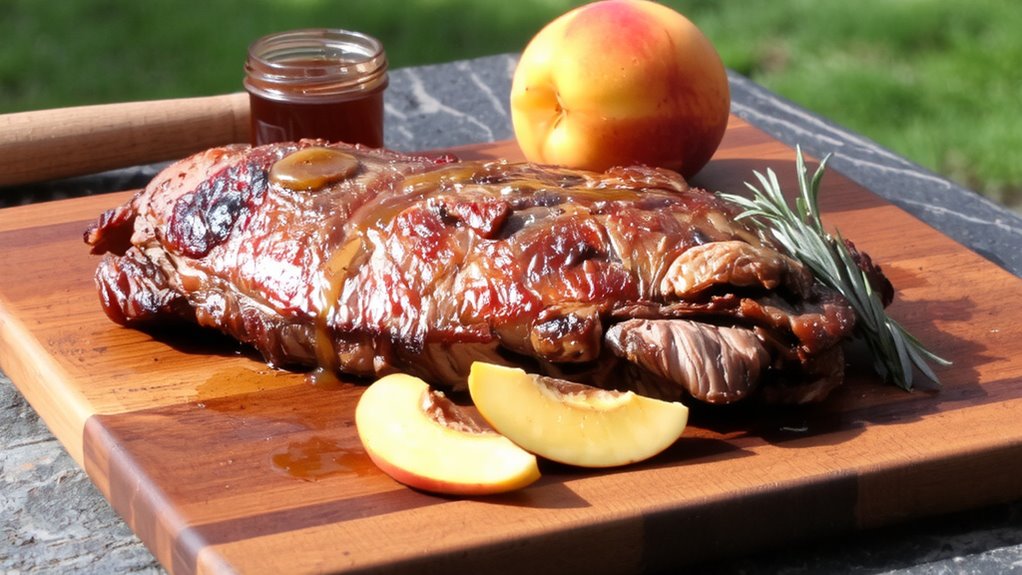
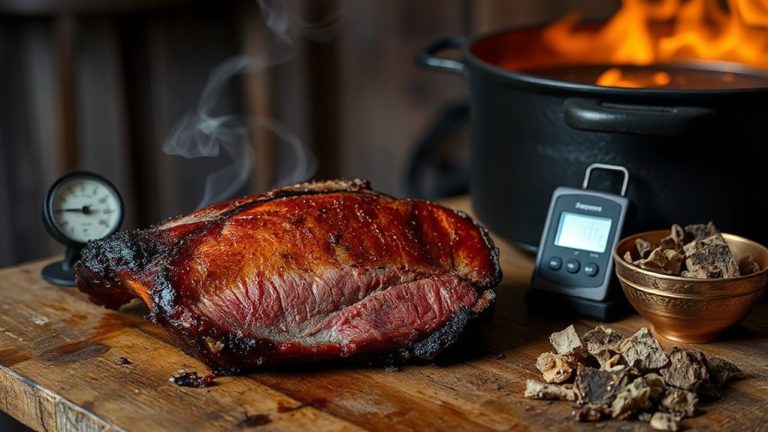
Picking the right wood isn’t just a detail-it’s the foundation of great smoke flavor. You’re not just burning chunks; you’re shaping the taste of your meat from the first wisp of smoke. For sweet and savory balance, hardwoods like cherry and apple add gentle fruitiness, while hickory or oak bring stronger, earthy depth. Mastering wood pairing secrets means matching wood to protein-pork loves fruitwood, beef stands up to mesquite. Smoke intensity control is essential; too much smoke overwhelms, too little leaves flavor flat. Use smaller amounts of strong woods and blend them with milder ones for complexity. Consistent airflow and proper chip/chunk prep guarantee clean smoke. Your smoker’s fuel choice isn’t background-it’s an active ingredient. Get this right, and every bite reflects intention, balance, and craft. For best results, consider top-rated options from our best smoking wood picks guide to ensure quality and flavor consistency.
Build a Balanced Sweet-Savory Dry Rub
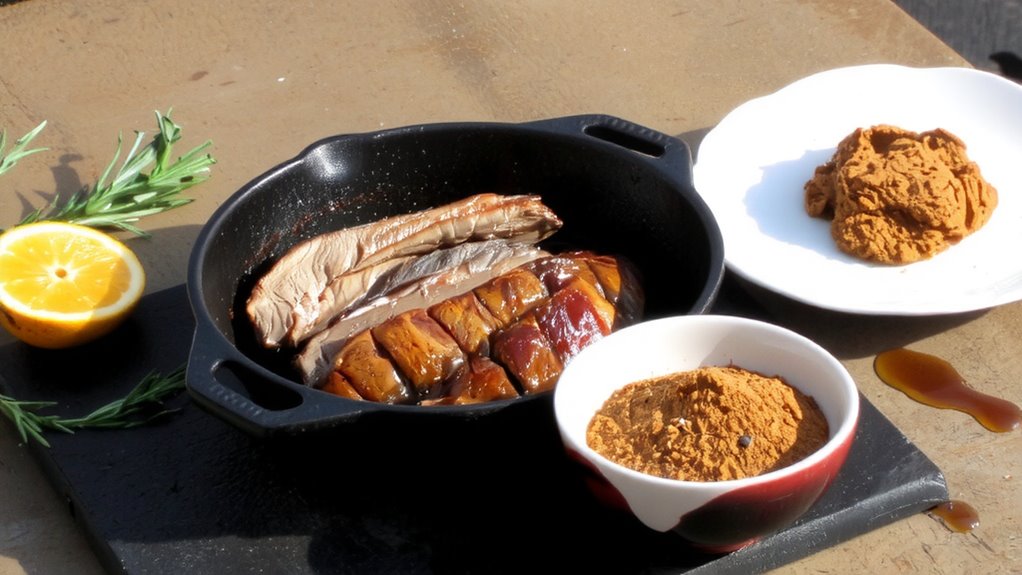
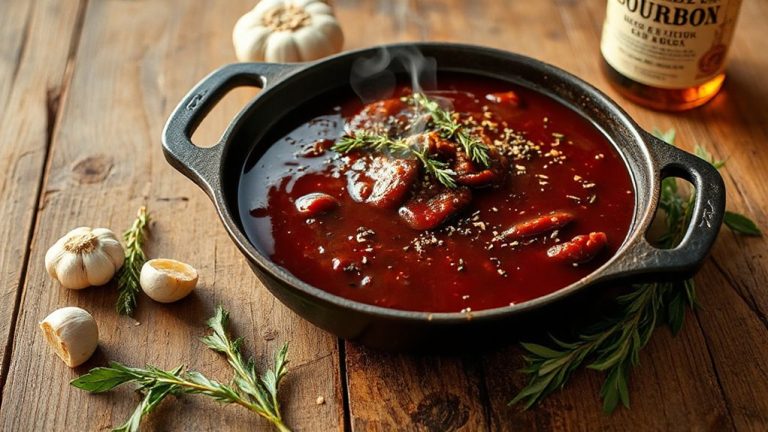
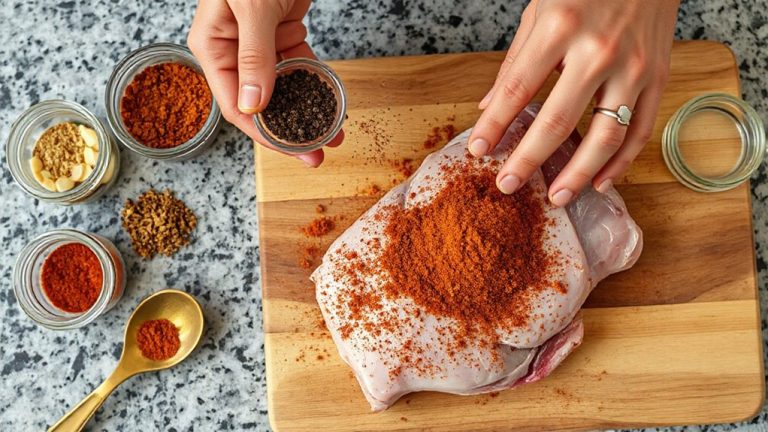
A well-crafted dry rub does more than season-it transforms smoked meat by forming a flavorful crust that locks in moisture and complements the smoke profile. You want a mix that brings both smoky sweetness and herbaceous balance, so start with brown sugar or smoked paprika to build depth. Add kosher salt and black pepper for foundational seasoning, then layer in garlic powder, onion powder, and a touch of cumin for complexity. A pinch of chili powder introduces warmth without overwhelming. For true balance, include dried thyme or oregano-they lend an herbaceous balance that cuts through richness. You’ll find the interplay of sweet and savory enhances, not masks, the meat’s natural flavor. When applied generously and allowed to rest on the surface, the rub forms a bark that seals in juices while harmonizing with your chosen wood’s smoky sweetness. This isn’t just seasoning-it’s flavor engineering. Top picks for achieving this balance include blends specifically formulated for smoking, such as best meat rubs for smoking.
Marinate Without Diluting Your Smoke Flavor
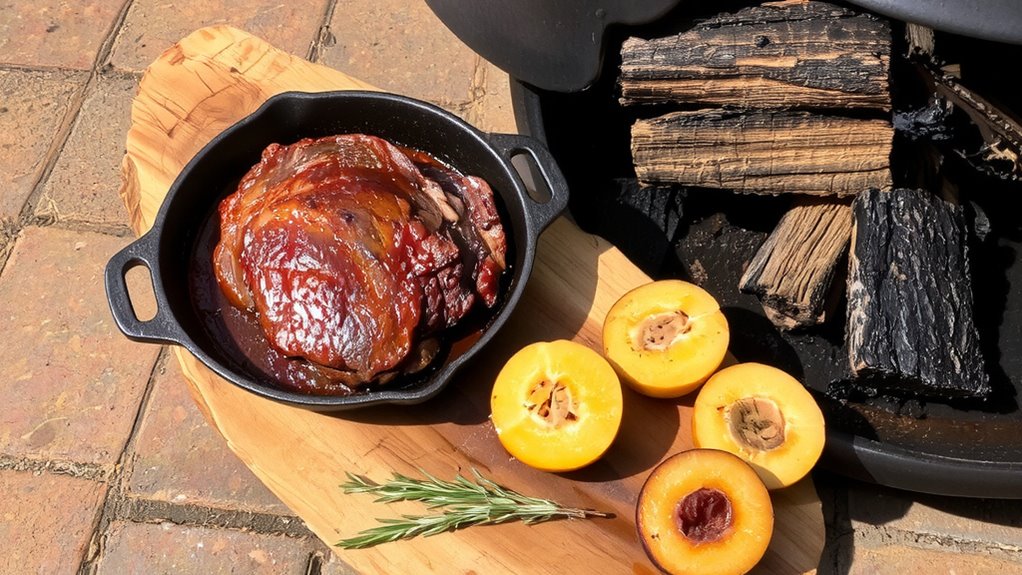
While marinating can add tenderness and depth, you’ll want to be careful not to undermine the smoky character you’re working hard to build. Wet marinades with high liquid content can create a barrier on the meat’s surface, limiting smoke infusion by trapping moisture and slowing the bark formation essential for flavor concentration. Instead of soaking your meat for hours, consider shorter marinating times-2 to 4 hours max-to impart seasoning without oversaturating. Use oil-based or dry marinades enriched with acids like vinegar or citrus to enhance penetration without excess water. This approach preserves the meat’s ability to absorb smoke steadily over hours. You’re aiming for synergy, not competition, between marinade and smoke. For best results, pat the meat dry before smoking to encourage a better sear and more direct smoke contact. That way, you get complexity from the marinade without sacrificing the bold, layered smoke infusion you want. Choosing from the best premade chicken marinades can save time while still delivering balanced flavor profiles ideal for smoking.
Brine Meats With Sugar for Juicier Results
Brining meats with sugar isn’t just about adding sweetness-it’s a strategic move to lock in moisture and build a better texture under the heat of the smoker. You’re not just flavoring; you’re fundamentally altering the meat’s ability to retain juices during long cooks. The sugar balance in your brine affects both taste and browning-too much leads to oversweetness or even burning, too little misses the chance to enhance crust development. Aim for a moderate ratio, typically one cup of sugar per gallon of water, adjusting based on meat density and smoke time. Brine strength matters just as much: a weak solution won’t penetrate effectively, while an overly strong one can make meat mushy. For best results, pair kosher salt with brown sugar or maple syrup, especially with pork or poultry. This approach guarantees juiciness, subtle sweetness, and a clean finish that complements smoky depth without dominating it.
Glaze at the Perfect Time to Avoid Burn
Don’t rush the glaze-timing it right keeps flavor sharp and prevents a bitter, blackened crust. Applying your glaze too early exposes its sugars to prolonged smoke and heat, leading to burn instead of that glossy, caramelized finish you want. For best results, wait until the final 15 to 30 minutes of cooking. This window guarantees timing accuracy, letting the meat absorb smoke fully before the glaze seals in moisture and sheen. Heat management is critical; drop the smoker temp slightly if needed, keeping it around 225–250°F to avoid scorching. Thicker glazes burn faster, so brush in thin, even layers. Your call, but most sweet-based finishes thrive with late-stage application. Done right, the glaze clings without charring, balancing flavor and appearance. Precision here separates decent barbecue from exceptional.
Sauce Smart: Boost Sweetness Without Overpowering
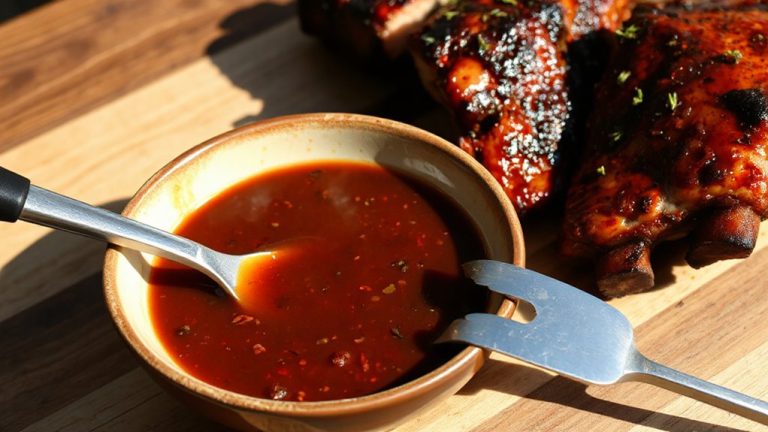
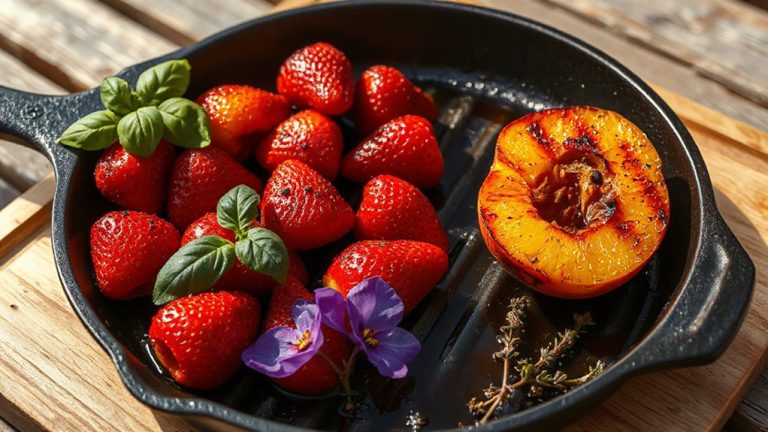
A touch of sweetness can elevate your smoked meat from savory to sublime, but too much and you’ll mask the deep, complex flavors you spent hours building. That’s where smart saucing comes in. Instead of drowning your meat in sugary sauce, use fruit infusions like apple, cherry, or peach to add subtle sweetness with natural acidity that cuts through richness. These fruit infusions enhance without dominating, letting the smoke and spice balance shine. Apply your sauce in thin layers during the final 15–30 minutes of cooking to avoid caramelizing too much sugar. A well-balanced sauce complements the meat-it shouldn’t lead the dish. You want harmony: smoke, salt, heat, and just a hint of sweet. By prioritizing spice balance and using sweetness as a supporting note, your smoked creations gain depth and sophistication without sacrificing bold barbecue character.
Pair Sides That Match Your Smoked Meat’s Flavor
You’ve nailed the smoke, balanced the spices, and added just a hint of sweetness to your meat-now it’s time to think beyond the protein. The right sides elevate your BBQ by harmonizing with its rich, layered flavors. Fruit compotes lend a bright, tart-sweet contrast that cuts through fatty brisket or ribs, while spiced grains add depth and texture without overpowering. Consider pairings thoughtfully: a peach-vanilla compote sings beside smoky pork, and quinoa with cumin and toasted almonds supports leaner meats like turkey. A well-matched side doesn’t compete-it completes.
| Smoked Meat | Side Suggestion | Flavor Role |
|---|---|---|
| Brisket | Cherry compote | Sweet-tart balance |
| Pork Ribs | Spiced farro | Earthy, aromatic support |
| Chicken | Apricot ginger compote | Bright, zesty lift |
On a final note
You’ve got the tools to elevate your smoked meats by balancing sweet and savory elements effectively. Choosing the right wood, building a layered dry rub, and timing your glaze prevent bitterness while enhancing depth. Brining with sugar improves moisture and texture, and smart saucing preserves the smoke’s integrity. Paired sides complete the experience. These methods aren’t just technique-they’re proven upgrades that deliver consistent, flavorful results every time you fire up the smoker.