Using Natural Rock Lining to Improve Heat Retention in Open Pit Fires
You can boost heat retention in your fire pit by lining it with dense, natural rocks like basalt or granite. These stones absorb intense heat during peak burns and release it slowly, smoothing out temperature swings for better cooking control. Unlike metal, they provide stable, radiant heat with less wood. Just make sure rocks are dry and non-porous to avoid cracking or explosions. Proper arrangement improves efficiency-and there’s more to get right with setup and reuse.
Notable Insights
- Dense rocks like basalt absorb heat during combustion and release it slowly, enhancing thermal efficiency in fire pits.
- Volcanic basalt is ideal for fire pit linings due to its high thermal mass and superior heat retention properties.
- Avoid porous or wet rocks such as river rock and sandstone, which can crack or explode from trapped steam.
- Proper arrangement of tightly fitted, heat-resistant rocks like granite or basalt helps reflect and retain radiant heat.
- Reusing a cured rock ring reduces thermal stress and maintains ambient warmth, improving cooking temperature stability.
How Rocks Store and Release Fire Heat
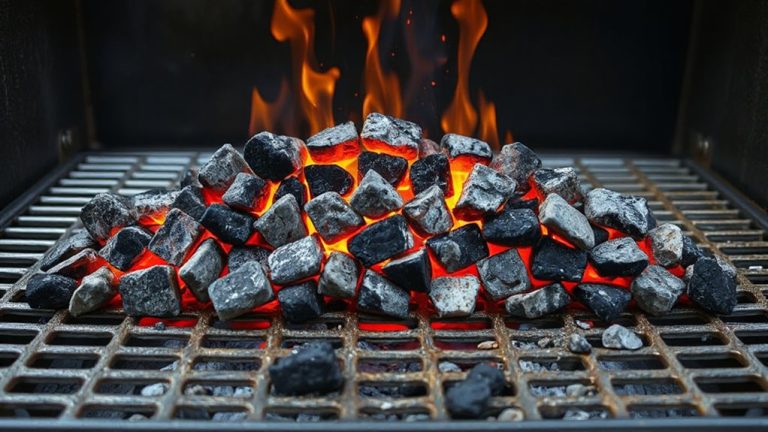
While fire heats up quickly, rocks hold onto that energy longer, which is why they’re so effective in outdoor cooking setups. You’re actually using thermal mass to stabilize and extend heat output. Dense rocks absorb warmth during peak burning and release it slowly as the flames die down. This radiant transfer keeps cooking surfaces warm long after the fire diminishes, helping you maintain consistent temps for searing or roasting. Unlike metal, which can overheat and cool fast, stone provides balanced feedback. You’ll notice fewer temperature swings, making it easier to manage food prep without constant fuel adjustments. In practice, a rock-lined pit improves efficiency-less wood, more control. That’s not just observation; it’s physics in action. Rocks buffer extremes, turning erratic flames into steady radiant heat. For backyard BBQ or campfire cooking, leveraging thermal mass isn’t just smart-it’s essential for precision and performance over time. Choosing the right type, such as heat-resistant stones, ensures long-term durability and optimal heat retention in your fire pit.
Choose Safe, Non-Explosive Rocks for Fire Pits
You’ll want to pick your fire pit rocks carefully-some types can crack or explode when heated, and that’s a hazard you don’t need. Wet or porous stones like river rocks or sandstone trap moisture, which turns to steam and builds pressure under high heat, leading to dangerous bursts. Your rock sourcing matters: always choose dense, dry stones known for thermal stability. Ignoring safety precautions might save time upfront but risks injury or damaged structures later. Fieldstone, granite, or basalt are generally safer, as they withstand repeated heating and cooling. Inspect each rock-fissures or layered textures increase rupture risk. Even seemingly solid rocks can fail if they’ve been exposed to water recently. Store your fire ring stones in a dry place and let newly collected ones cure in the sun for days. Smart selection supports both performance and safety, ensuring your outdoor cooking stays efficient and secure. Best Fire Pit Rocks are specifically chosen for their durability and heat resistance, making them ideal for long-term use.
Best Natural Rocks for Lining a Fire Pit
A well-chosen rock lining makes a noticeable difference in how evenly and efficiently your fire pit radiates heat, especially when you’re aiming for steady temperatures during outdoor cooking. For performance and durability, volcanic basalt and river stones stand out. Basalt absorbs heat quickly and releases it slowly, making it ideal for consistent radiant warmth. River stones, while smooth and attractive, are better for perimeter lining since repeated thermal stress can cause cracking. Below is a comparison to help you decide:
| Rock Type | Heat Retention & Use Case |
|---|---|
| Volcanic basalt | Excellent retention; core fire area |
| River stones | Moderate retention; decorative border |
| Granite | Good retention; durable but costly |
| Sandstone | Poor retention; prone to spalling |
| Fieldstone | Variable; best when dry and dense |
Stick with volcanic basalt for maximum efficiency and supplement with river stones where appearance matters more than thermal load.
Build a Rock-Lined Fire Pit: Step-by-Step
Success starts with solid planning. You’ll need a clear, level area away from overhanging branches and structures. Mark a circle 3–4 feet in diameter-this size balances heat output and usability for outdoor cooking. Remove grass and dig a shallow 6-inch depression to stabilize the base. Begin lining the pit’s perimeter with flat, heat-resistant rocks like granite or basalt, placing them tightly together to minimize gaps. Overlap edges slightly to lock the structure in place and improve safety. This rock lining enhances heat retention, keeping coals hotter longer-ideal for slow BBQ or searing steaks. Thoughtful placement also elevates fireplace aesthetics, blending function with rugged charm. The natural look complements most outdoor decor, creating a focal point that invites gathering and cooking alike. Keep the interior clear for airflow, and you’ll get reliable, even performance through the burn. For those considering dedicated cooking setups, best fire pits for cooking offer optimized designs with grilling surfaces and ventilation.
Arrange Rocks to Trap and Reflect Heat
While the foundation of your fire pit sets the stage, how you arrange the rocks determines how well heat is captured and directed. Proper positioning enhances heat reflection and leverages the thermal mass of stones to radiate warmth long after flames die down. Dense rocks like granite or basalt absorb heat efficiently and slowly release it, making your fire more effective for cooking or ambient warmth. Arrange them vertically around the pit’s edge, slightly angled inward, to reflect heat toward the center.
| Rock Type | Thermal Mass | Heat Reflection |
|---|---|---|
| Granite | High | Moderate |
| Sandstone | Low | Low |
| Basalt | High | High |
| Limestone | Moderate | Low-Moderate |
| Fieldstone | Moderate | Moderate |
This setup keeps cooking zones hotter and reduces fuel use-ideal for sustained outdoor BBQ sessions.
Keep Heat Longer With Reusable Rock Rings
That reusable rock ring isn’t just a neat way to contain your fire-it’s a game-changer for heat management in outdoor cooking. When you use a ring made of heat-resistant stone, you boost heat efficiency by storing thermal energy and radiating it back to food, creating a more stable cooking surface. You’ll notice less fluctuation in temperature, which means more consistent results when searing or slow-roasting. These rings also reduce thermal cycling stress compared to constantly building new pits, preserving the rocks’ integrity over time. Because you’re reusing the same formation, the setup retains ambient warmth from previous burns, helping you reach cooking temps faster. You don’t waste time rearranging rocks each session, and cleanup’s simpler. With proper placement and maintenance, your ring lasts seasons. It’s a smart, practical upgrade-especially if you cook outdoors often-and it turns your open pit into a more efficient, reliable heat source.
Avoid These Rocks: They Can Explode in Fire
You’ve invested in a reusable rock ring to stabilize your cooking temperatures and make the most of retained heat, but not just any stone belongs in that setup. Some rocks, especially those with high moisture content or low rock density, can’t handle intense heat and may crack or even explode. This happens due to thermal shock-when the outside of a rock heats rapidly while the inside remains cool, creating internal stress. River rocks and certain sedimentary types are especially prone to this, so avoid placing them in direct fire contact. Instead, opt for dense, dry stones like granite or basalt, which resist thermal shock and deliver consistent performance. These high-density rocks absorb and radiate heat effectively, supporting stable cooking zones. Always inspect your rocks for cracks before use, and never place wet stones near flames. Smart selection guarantees safety, longevity, and better heat management in your fire pit.
On a final note
You’ll find natural rock lining improves heat retention in open pit fires markedly, making outdoor cooking more efficient. Dense stones like granite or basalt absorb, store, and radiate heat well, boosting cooking consistency. Proper arrangement enhances thermal reflection, while safe rock selection prevents dangerous explosions. With a well-built ring, heat lingers longer, reducing fuel use. Though setup requires care, the payoff-stable temperatures and durable reuse-makes it a practical upgrade for serious backyard BBQ.