Enhancing Flavor Profiles Through Controlled Combustion Techniques Using Propane
You get better flavor control with propane because it burns cleanly and consistently, reducing soot that causes off-notes. A blue flame means efficient combustion, preserving the true taste of ingredients. You can sear steaks evenly using precise heat or slowly caramelize vegetables without charring. Clean burners and proper air-to-fuel ratios keep flavors pure. With adjustable zones and instant control, propane outperforms charcoal for reliability-learn how to fine-tune every cook with the right techniques and tools.
Notable Insights
- Propane’s clean, hot burn preserves natural food flavors by minimizing soot and chemical off-notes.
- A steady blue flame ensures complete combustion, maximizing heat efficiency and flavor integrity.
- Precise temperature control enables perfect searing and consistent Maillard reactions on steaks.
- Low, controlled heat slowly caramelizes vegetables, enhancing sweetness without bitter char.
- Regular burner maintenance ensures optimal combustion, preventing flare-ups and flavor contamination.
How Propane’s Clean Burn Enhances Flavor
While you might assume that fuel type doesn’t substantially affect taste, the clean combustion of propane actually plays a key role in how your food turns out on the grill. Propane burns hotter and more consistently than charcoal or wood, delivering even heat with minimal soot. This high combustion purity means fewer unburned particles settle on your food, reducing harsh aftertastes or chemical off-notes. You’re left with cleaner sear marks and truer ingredient flavors-especially important when grilling delicate items like fish or vegetables. Because there’s less smoke residue, flavor preservation becomes far more effective; herbs, marinades, and natural juices aren’t overwhelmed. You’ll notice subtle seasoning profiles remain intact, something often lost with smokier, dirtier fuels. While some argue wood adds complexity, propane’s controlled burn offers reliability and clarity of taste. For precision-focused cooks, that consistency makes a notable difference-both in execution and final taste.
Tune Your Flame’s Air-To-Fuel Ratio
Why does your grill sometimes produce lazy yellow flames or excessive soot? Chances are, your air-to-fuel ratio is off. Proper blending of propane and oxygen directly impacts flame color and combustion efficiency. A balanced mix yields a steady blue flame, signaling complete burning and maximal heat. Too much fuel creates a sooty, yellow flame that wastes propane and muddies flavor.
| Flame Color | Combustion Efficiency |
|---|---|
| Blue | High – ideal for clean, efficient cooking |
| Yellow | Low – indicates incomplete combustion |
| Orange | Poor – excess carbon, reduced heat output |
| Flickering | Unstable – airflow or pressure issues |
Adjust air dampers gradually while watching the flame. A crisp blue base with minor inner cones means you’ve nailed the ratio. Consistent tuning guarantees better flavor and longer equipment life.
Sear Steaks Perfectly With Propane
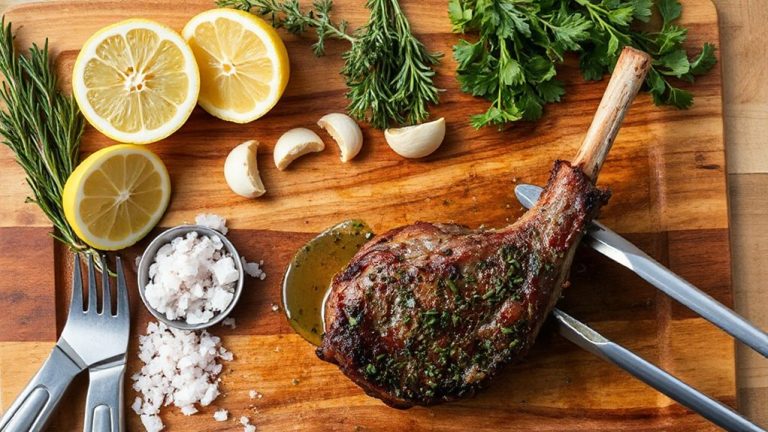
How do you achieve that perfect sear on a thick-cut steak using a propane grill? You start with the reverse sear-slow-cook the steak over low indirect heat until it’s nearly done, then crank the flame high. This method guarantees even doneness while locking in juices. When it’s time to sear, place a preheated cast iron skillet directly over the powerful burner. The dense metal holds and transfers heat efficiently, creating a crisp, caramelized crust without overcooking the interior. Propane’s instant, controllable flame gives you precise temperature management, essential for this technique. Unlike charcoal, it doesn’t fluctuate unpredictably. The cast iron’s seasoned surface enhances browning, while propane combustion delivers clean, consistent radiant heat. You’ll notice richer Maillard reactions and deeper flavor development. For thick steaks, this combo outperforms most open-flame alternatives. With proper preheating and timing, you get restaurant-quality results-efficient, repeatable, and ideally suited for serious outdoor cooking. Top-rated models offer superior heat distribution for consistent best gas grills performance across the cooking surface.
Use Low Heat for Smoky, Sweet Vegetables
Since vegetables benefit from gradual caramelization without charring too quickly, setting your propane grill to low heat reveals their natural sugars and deepens their flavor through controlled, even cooking. You’ll notice a distinct smoky sweetness develop, especially in dense vegetables like eggplant, zucchini, and bell peppers, as the low flame draws out moisture slowly and promotes a gentle, slow char. This method avoids the bitterness of flash-burnt surfaces while building complexity over time. Firmer veggies hold their structure, gaining a tender interior with just a hint of grill-kissed edge. Unlike high-heat searing, this approach prioritizes flavor development over speed, letting the propane’s consistent output work subtly. With patience, you achieve a balanced taste-neither raw nor overdone-that highlights seasonal freshness enhanced by controlled combustion. The result: vegetables that surprise with depth, not just as sides but as centerpieces imbued with quiet intensity.
Keep Flames Clean to Prevent Off Flavors
A clean flame is the unsung hero of great propane grilling, and keeping your burners in top shape makes all the difference in flavor. Dirty burners lead to uneven combustion, producing flame soot and fuel residue that transfer directly to your food. These contaminants introduce bitter, chemical-like off flavors, undermining the taste of even the best ingredients. Regular maintenance prevents buildup and guarantees a proper blue flame, critical for clean burning. Inspect ports monthly, and use a wire brush to clear clogs. Let’s face it-neglecting cleanliness sabotages precision and flavor control. This same attention to detail can elevate your cookware performance, especially when taking advantage of the best Black Friday cookware deals to upgrade your outdoor cooking setup.
When Propane Wins: Precision Over Charcoal
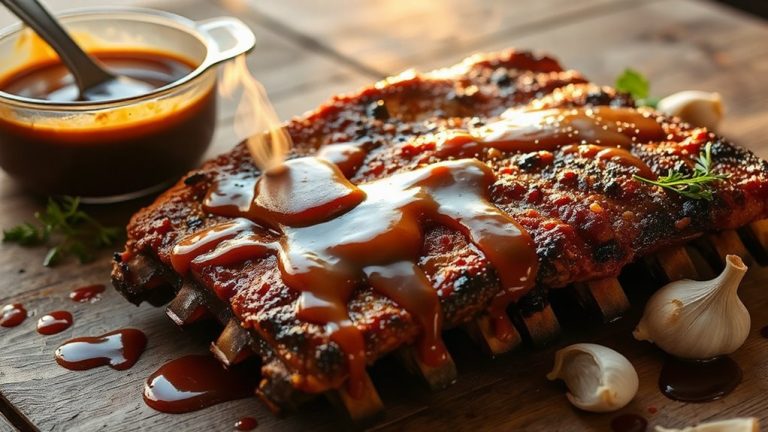
Why settle for guesswork when you can control the cook with pinpoint accuracy? With propane, you’re not left fanning coals or hoping for even heat. You get immediate flame consistency and unmatched temperature stability-critical for delicate dishes like fish or thick cuts needing long, steady sears. Charcoal swings in temperature, demanding constant monitoring, while propane delivers predictable performance, batch after batch. You adjust the knob and see results in seconds, not minutes. That’s invaluable when searing steaks or reverse-searing a rack of ribs. Whether you’re holding a low 225°F for hours or cranking to 500°F for a crust, propane maintains its setpoint without spikes. You’re not fighting the fuel; you’re mastering the outcome. In consistency and control, propane doesn’t just compete-it wins, especially when precision matters most.
Tools to Control Your Propane Flame Like a Chef
You’ve already seen how propane puts consistent heat at your fingertips, turning guesswork into precision-now it’s time to take full command of that flame with the right tools. High-quality burners with adjustable ports give you real control over flame shaping, letting you fine-tune the fire’s height and spread for even searing or gentle simmering. Paired with proper heat zoning-using multiple burners set to different intensities-you can sear steaks on one side and slowly cook vegetables on another, all on the same grill. Infrared burners add another layer, delivering intense, direct heat perfect for locking in juices. Look for robust control knobs with clear markings and durable stainless steel construction-they withstand heat and weather while offering tactile feedback. Reliable ignition systems mean fewer flare-ups and better consistency. With thoughtful design and consistent maintenance, these tools don’t just mimic a chef’s range-they surpass it, giving you repeatable, restaurant-grade results every time.
On a final note
You get consistent heat and cleaner combustion with propane, letting natural ingredients shine without sooty aftertastes. Adjusting the air-to-fuel ratio sharpens temperature control, essential for searing steaks or gently roasting vegetables. Unlike charcoal, propane reduces variability, offering repeatable results. Clean burners prevent off flavors, and with the right tools-like infrared burners or flavorizer bars-you gain precision. Propane’s efficiency and ease make it a top choice for reliable, high-quality outdoor cooking.