How Cherry Wood Imparts Sweet Fruity Notes to Pork Shoulder During Smoking
You get sweet, fruity notes in smoked pork shoulder because cherry wood burns clean and slow, releasing a mild, aromatic smoke rich in caramelized sugar compounds. Its medium density guarantees consistent smoke without bitterness, enhancing the meat’s natural richness. When properly seasoned, cherry adds complexity without overpowering-ideal for long cooks. For best results, pair it with hickory or oak to balance sweetness with depth. There’s more to mastering this balance than just wood choice.
Notable Insights
- Cherry wood contains natural sugars that caramelize during combustion, releasing a subtly sweet, fruity smoke.
- Its mild to medium smoke intensity enhances pork shoulder without overpowering the meat’s natural richness.
- Properly seasoned cherry wood burns cleanly, producing thin blue smoke that imparts nuanced flavor.
- The clean-burning nature of cherry prevents bitter notes, maintaining a balanced, aromatic profile.
- Cherry’s fruity smoke penetrates the meat during the first few hours, especially below 140°F, building a flavorful crust.
Why Cherry Wood Is Perfect for Pork Shoulder
Flavor matters when you’re slow-cooking pork shoulder, and few woods deliver like cherry. You’re after a balanced wood type flavor that complements, not overpowers, the meat’s richness. Cherry provides just that-its smoke intensity is mild to medium, making it ideal for long smokes without tipping into bitterness. That’s essential when cooking for hours; too much intensity can ruin the bark and aftertaste. Cherry burns cleanly and consistently, especially in chunk or split-log form, offering steady heat and even flavor development. Unlike hickory or mesquite, which dominate, cherry enhances without masking. You’ll notice the sweet aroma during the cook, but it’s the final taste-smooth, nuanced, well-rounded-that confirms your choice. It pairs especially well with rubs containing brown sugar or paprika, letting the spices and smoke coexist. For pork shoulder, where depth and balance matter, cherry’s reliability and moderate profile make it a top-tier option among serious smokers.
How Cherry Wood Adds Sweet, Fruity Smoke
Smoke from cherry wood carries a subtle sweetness that’s more than just pleasant-it’s strategic. When you use cherry for pork shoulder, the smoke density is just right-full enough to penetrate the meat but never overwhelming. This balanced output guarantees clean flavor development over hours of low-and-slow cooking. You’ll notice how wood aging plays a key role: properly seasoned cherry logs burn evenly, producing a steady stream of aromatic, fruity smoke. Fresh or improperly dried wood creates harshness, but well-aged cherry enhances complexity without bitterness. The natural sugars in the wood caramelize during combustion, releasing nuanced notes that complement pork’s richness. You’re not just adding smoke-you’re building depth. With cherry, you get a refined flavor profile ideal for achieving restaurant-quality results at home, where control and consistency matter. It’s a reliable choice for those who value precision in their barbecue. Best wood chips for smoking chicken also benefit from proper aging and sugar content to achieve balanced flavor.
Best Woods to Mix With Cherry for Pork
While cherry wood brings a delicate sweetness to pork shoulder, pairing it with complementary woods can elevate the depth and structure of your smoke profile. For balanced results, try mixing cherry with hickory-its bold, bacon-like notes anchor cherry’s fruitiness without overwhelming it. Maple is another solid choice, adding mild caramel undertones that enhance flavor blending techniques without dominating. If you prefer a stronger punch, a touch of oak provides structure and smoky resilience, making it one of the top wood pairing recommendations for longer smokes. Pecan works well too, offering nutty richness that complements cherry’s softness. Avoid overly aggressive woods like mesquite, which can easily overpower. Use fruitwoods sparingly if doubling up-too much sweetness muddies the taste. A blend of 70% cherry with 30% hickory or oak delivers consistent, well-rounded smoke. These combinations have proven effective across multiple cookouts. Consult a comprehensive buying guide when selecting premium smoking wood to ensure quality and proper wood seasoning.
Smoke Time and Temp for Cherry Wood Pork Shoulder
When you’re aiming for tender, flavorful pork shoulder using cherry wood, maintaining a consistent temperature between 225°F and 250°F is essential for even breakdown of connective tissue without drying out the meat. This sweet spot allows for ideal fat rendering balance and pronounced smoke ring development. You want that ring to form early-within the first few hours-while the meat is still below 140°F, so steady airflow and clean-burning wood chunks matter. Below is a guide to expected cooking times based on weight:
| Weight (lbs) | Temp (°F) | Estimated Time (hrs) |
|---|---|---|
| 6 | 225 | 9–10.5 |
| 8 | 235 | 12–14 |
| 10 | 250 | 14–16 |
Higher temps speed up cooking but risk compromising fat rendering balance. Lower, slower fires deepen flavor and texture control.
Pick the Right Cherry Wood for Smoking
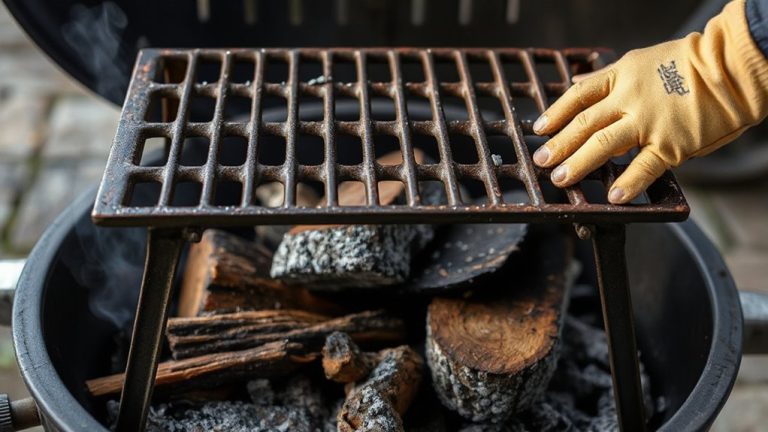
A properly seasoned slab of cherry wood can elevate your smoked pork shoulder with a nuanced sweetness and delicate fruitiness that complements, rather than overpowers, the rich meat. When choosing cherry wood types, you’ll mostly encounter wild cherry or black cherry-both excellent, though black cherry tends to burn more evenly and produce a slightly richer aroma. Avoid treated or painted wood, as they release harmful chemicals when burned. The key to consistent smoke lies in moisture content: aim for wood that’s air-dried for at least six months, with a moisture content between 15% and 20%. Too wet, and you’ll get billowing smoke that imparts bitterness; too dry, and the wood burns too fast, reducing flavor development. Opt for split pieces roughly thumb-thick-they light easily and maintain steady smolder. Quality cherry wood offers balance, making it a top-tier choice for thoughtful, flavorful barbecue. For best results, pair your cherry wood with best wood chips for smoking to enhance depth and complexity in every bite.
Fix Cherry Wood Smoking Problems
You’ve picked high-quality cherry wood, checked the moisture levels, and prepared your chunks to the right size-now it’s time to tackle the issues that can still interfere with a clean smoke. Cherry wood overuse is a common mistake; too much can overwhelm the pork shoulder with bitter, acrid notes instead of the balanced sweetness you want. Stick to small chunks or a single log supplementing your main fuel. Improper wood storage leads to damp or moldy wood, which produces white smoke, off-flavors, and inconsistent burn. Store your cherry wood in a dry, covered area, off the ground, and protected from rain or humidity. Monitor smoke color-thin, blue wisps mean clean combustion, while thick gray plumes signal trouble. Adjust airflow, trim excess wood, and maintain stable temperatures. With proper storage and measured use, cherry wood enhances, not hinders, your smoked shoulder.
On a final note
You’ll find cherry wood elevates pork shoulder beautifully, imparting a mild, sweet, fruity smoke that complements rather than overwhelms. It burns evenly, making temperature control manageable, and pairs well with hickory or oak for depth. When used correctly, it produces a rich mahogany bark and tender, flavorful meat. Though not as intense as stronger woods, its subtlety is an asset, especially for longer smokes. Properly seasoned wood and consistent airflow prevent bitterness, ensuring clean, balanced results every time.