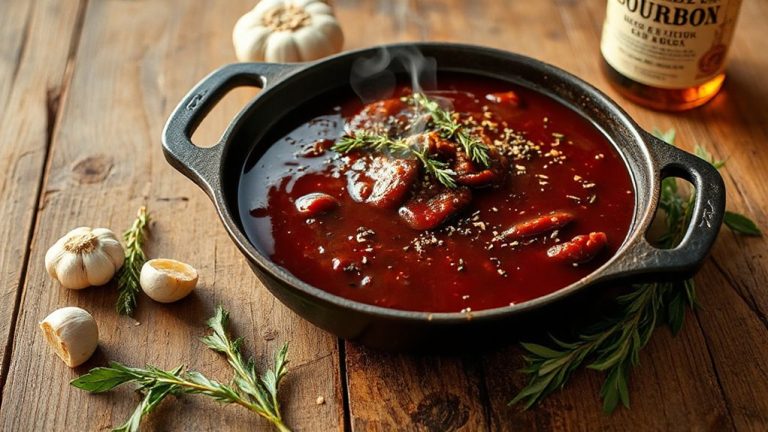
How to Select, Pair, and Apply Herbs Effectively for Enhanced Grill Recipes
Choose woody herbs like rosemary and thyme for high heat-they hold up better on the grill than delicate cilantro or basil, which you should add after cooking. Pair bold rosemary with beef, thyme with poultry, and mint with lamb for balanced flavor. Use fresh herbs in marinades for tender cuts, and dried ones in rubs for longer cook times. Layer herb-infused oils onto veggies like zucchini or eggplant for depth. Combining fresh and dried herbs builds complexity. You’ll find even more pairings that elevate your dishes effortlessly.
Notable Insights
- Choose heat-tolerant woody herbs like rosemary and thyme for grilling; avoid delicate herbs like cilantro, which scorch easily.
- Pair bold herbs such as rosemary with beef, thyme with poultry, and mint with lamb for optimal flavor synergy.
- Use fresh herb marinades with oil, acid, and salt to infuse proteins; adjust dwell time based on meat tenderness.
- Add delicate fresh herbs near the end of grilling or as post-grill garnish to preserve their bright, fresh flavor.
- Enhance grilled vegetables with herb-infused oils or smoked herb bundles for depth and aromatic complexity.
Choose Heat-Smart Herbs for High Heat
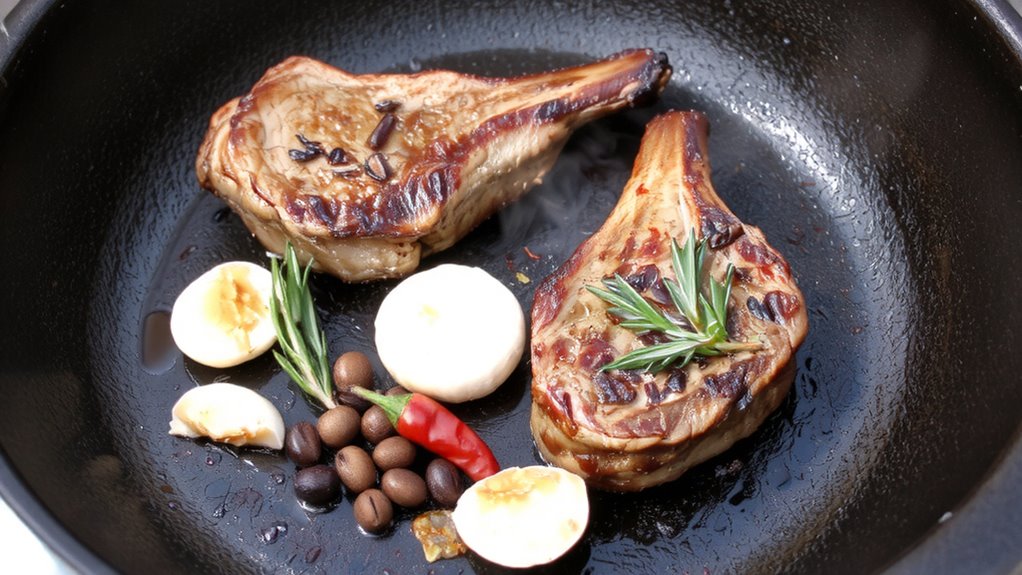
When you’re grilling over high heat, not all herbs can stand up to the flames-some burn fast, turning bitter and acrid, while others hold their flavor and even intensify. Choosing herbs with high herb heat tolerance is key to avoiding charred, unpleasant notes. You’ll want to reach for woody herbs like rosemary, thyme, oregano, and sage-they’ve got serious grilling herb durability. Their dense oils and sturdy stems resist scorching, releasing deep, aromatic flavors when exposed to fire. Tender herbs like cilantro or basil? Save them for after grilling. If you toss them on too soon, they blacken in seconds. Instead, use them raw as garnish to preserve their brightness. By matching your herbs to the heat level, you maintain control over taste and quality. Smart herb selection isn’t just preference-it’s performance under pressure.
Match Herbs to Your Protein for Maximum Flavor
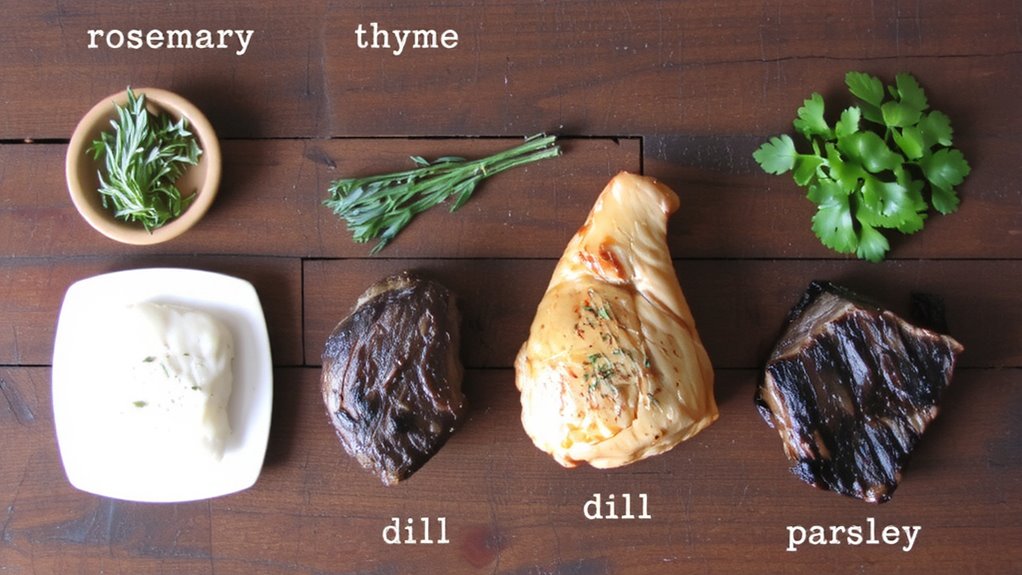
Think of herbs as flavor architects-they shape the taste profile of your grilled dishes with precision. When matching herbs to protein, you’re not just adding aroma-you’re enabling flavor layering that enhances each bite. Rosemary’s bold pine notes stand up well to beef’s richness, while thyme’s subtle earthiness complements poultry without overpowering it. For fish, dill or tarragon offer delicate herb infusions that mirror its natural subtlety. Lamb pairs perfectly with mint, cutting through fat and revitalizing the palate. Even pork benefits: sage and savory bring warmth that aligns with its sweetness. Choosing the right herb isn’t guesswork-it’s a calculated decision based on fat content, texture, and smokiness from the grill. You’ll notice sharper distinctions when pairing stronger herbs with robust meats, while delicate proteins need gentler companions. Done right, the result is balanced, nuanced, and deeply satisfying-flavor layering at its finest.
Boost Flavor With Herb Marinades and Rubs
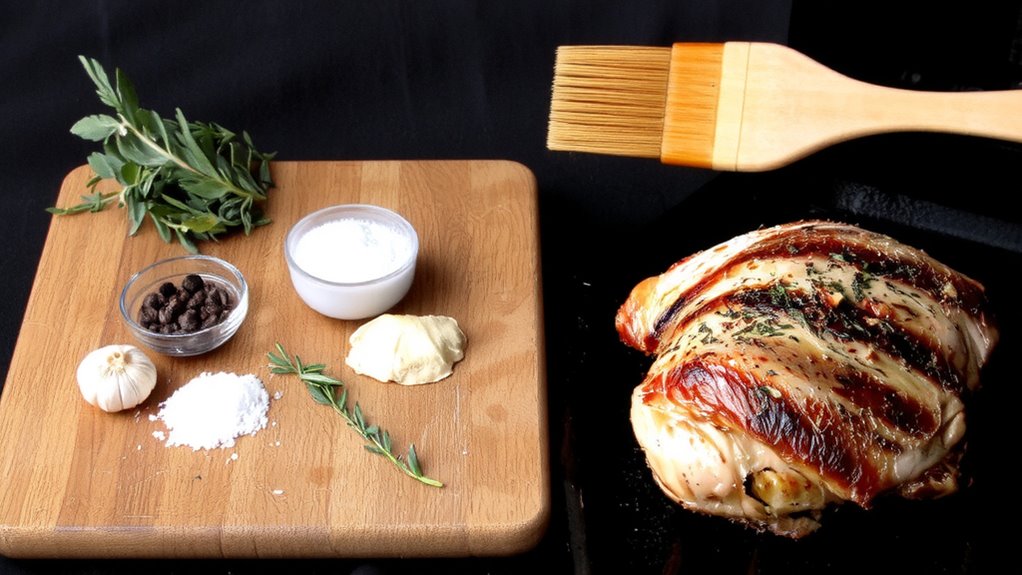
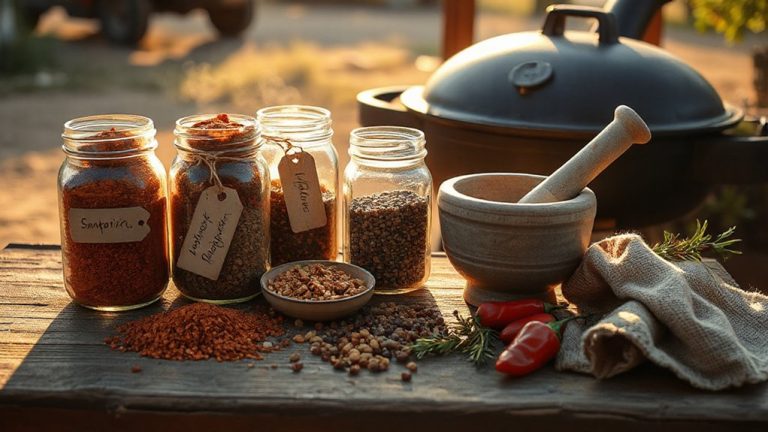
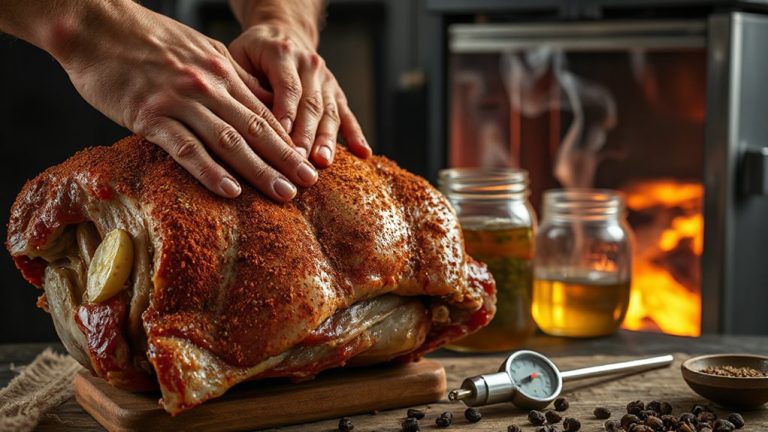
While grilling often emphasizes heat and char, it’s the marinades and rubs you apply beforehand that truly define the depth of flavor in your meat. Using smart herb infusion techniques guarantees essential oils penetrate deeply, especially when combined with oil, acid, and salt. Marinate delicate proteins like fish for 30–60 minutes, but tougher cuts like brisket benefit from longer marinade dwell times-up to 12 hours. Dry rubs work instantly, forming a savory crust when seared. Below are common applications:
| Herb Form | Best For |
|---|---|
| Fresh herbs | Bright, aromatic marinades |
| Dried herbs | Concentrated rubs |
| Whole sprigs | Infusing oils or brines |
| Minced garlic | Adhering to rubs |
| Citrus zest | Enhancing infusion depth |
Choose based on texture, protein type, and desired intensity.
When to Add Fresh vs. Dried Herbs on the Grill
Fresh herbs bring a lively brightness that stands up well during grilling, but their delicate oils can burn quickly under high heat, so timing and placement matter. You’ll notice key herb texture differences-soft leaves like basil or cilantro scorch fast, while sturdier ones like rosemary hold up better. Add delicate fresh herbs near the end to preserve flavor and aroma, especially on shorter grilling time impact dishes like fish or vegetables. Dried herbs, more concentrated and heat-resistant, work better when rubbed into meats before grilling or used in longer-cooking recipes. Their shriveled texture allows deeper flavor penetration over time. For best results, pair dried herbs with oils or liquids to rehydrate them slightly before applying. When grilling quickly over direct flame, fresh herbs shine added at the end; for slow, smoky cooks, dried herbs offer more stability and depth.
Pair Herbs With These Grilled Vegetables
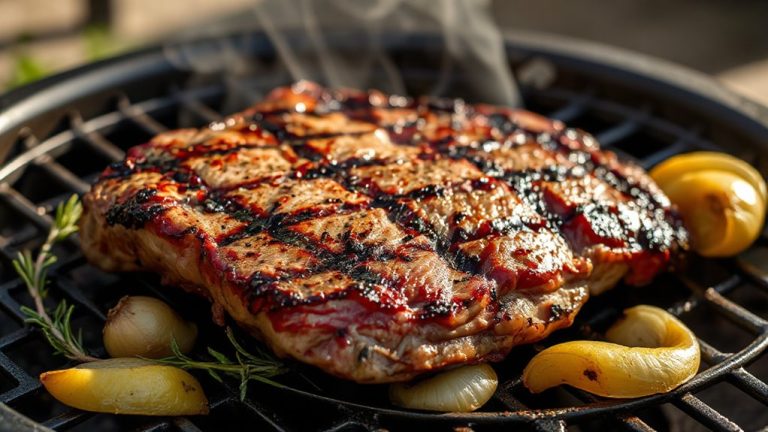
Grilled vegetables gain depth and character when matched with the right herbs, turning simple sides into standout dishes. You’ll want to drizzle them with herb infused oils before grilling-rosemary oil works wonders on zucchini, while thyme oil enhances eggplant beautifully. For sturdier vegetables like onions or peppers, tuck in grilled herb bundles (like tied sprigs of oregano or sage) directly on the grill; they slowly release aromatic smoke that clings to the surface. These bundles aren’t just functional-they infuse subtle complexity without overpowering. Use tender herbs such as basil or cilantro after grilling, as their flavors degrade under high heat. Herb infused oils also help prevent sticking and promote even charring. When applied thoughtfully, these techniques improve texture and taste, elevating vegetables from afterthoughts to centerpieces. You’ll notice the difference in both aroma and finish-clean, layered, and deeply savory.
Combine Herbs for Richer Flavor
Since great flavor rarely comes from a single source, combining herbs lets you build complexity on the grill just like a seasoned cook would in the kitchen. Using herb layering techniques enhances depth, balancing earthy, bright, and aromatic notes throughout your dish. Think beyond single-herb rubs-pairing allows complementary herb profiles to shine. For example, rosemary’s piney strength softens when blended with thyme’s subtle floral hint, while basil adds freshness when mixed with oregano’s warmth. The timing of application also matters: hardy herbs like sage withstand high heat, while delicate ones like cilantro are better added near the end. Below are classic pairings that deliver reliable results:
| Herb 1 | Herb 2 | Flavor Effect |
|---|---|---|
| Rosemary | Thyme | Earthy, aromatic depth |
| Basil | Oregano | Bright, slightly peppery |
| Dill | Parsley | Fresh, clean finish |
| Sage | Marjoram | Warm, slightly minty |
| Cilantro | Mint | Vibrant, cooling contrast |
Mastering combinations elevates grilled dishes efficiently.
Top Dishes With Fresh Herbs After Grilling
A sprinkle of herbs thrown over a dish just before serving can transform your grilled fare from good to memorable, and that final touch matters more than you might think. For grilled meats like lamb or chicken, a post grill herb infusion with chopped rosemary, thyme, or mint brightens flavors and adds aromatic depth. Use herb garnishing techniques such as chiffonade for basil on grilled peaches or whole-leaf placement of cilantro over tacos to enhance both look and taste. Steaks shine with a final dusting of parsley and garlic-simple, but effective. Delicate fish benefits from dill or fennel fronds added after cooking to preserve freshness. Even grilled vegetables become more vibrant with a late addition of chopped chives or tarragon. These techniques aren’t just decorative; they capture volatile oils that heat would otherwise destroy. Mastering post grill herb infusion guarantees your dishes deliver layered, immediate flavor with every bite.
On a final note
You’ve got the tools to elevate your grilling with smart herb use. Choosing heat-stable herbs, matching them to proteins, and layering flavors through marinades or rubs makes a measurable difference in taste and texture. Timing matters-dried herbs stand up to high heat, while fresh ones shine when added after cooking. Pairing herbs with the right vegetables or combining them thoughtfully builds complexity. Ultimately, precision and practice refine results, turning casual BBQ into consistent, flavorful outdoor cooking experiences worth repeating.