The Ultimate Guide to Setting Up a Two-Zone Fire for Grilling Success
You’re setting up a two-zone fire to gain better control over cooking temperature and doneness. Pile coals on one side of a charcoal grill or light one burner on gas, creating direct and indirect zones. Use the hot side for searing steaks or vegetables quickly, then move items to the cooler side to finish cooking evenly without burning. This method prevents flare-ups, retains juices, and works reliably for everything from chicken to delicate fish-mastering it transforms your outdoor cooking results. You’ll soon discover even more ways to elevate your technique.
Notable Insights
- Divide your grill into direct and indirect heat zones to prevent burning while ensuring even cooking.
- On charcoal grills, pile coals on one side to create distinct hot and cool zones.
- For gas grills, ignite one or two burners and leave others off to form the two zones.
- Use the direct heat side for searing steaks and the indirect side for finishing thicker cuts.
- Control flare-ups by moving food to the indirect zone and keeping a spray bottle handy.
What Is a Two-Zone Fire and Why It Works
Ever wonder why your grilled steaks sometimes burn on the outside while staying raw inside? The problem often lies in using only direct heat, which sears quickly but cooks unevenly. A two-zone fire fixes this by splitting your grill into two areas: one with direct heat for searing and another with indirect heat for gentler, more even cooking. You sear foods like steaks or chops over the direct heat to build flavor, then move them to the indirect zone to finish cooking without charring. This method gives you control, preventing underdone centers or burnt exteriors. It’s not just for large cuts-indirect heat works well for delicate items like fish or vegetables too. Using both zones effectively improves consistency, making your grilling more predictable and successful. It’s a proven technique trusted by experienced backyard chefs and pitmasters alike.
How to Set Up a Two-Zone Fire on Any Grill
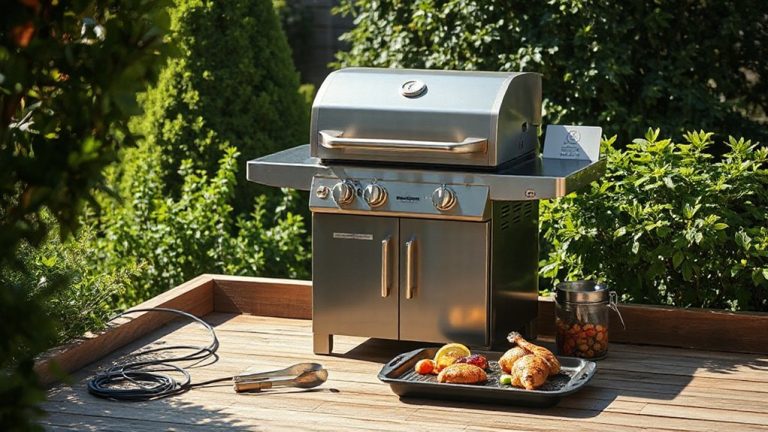
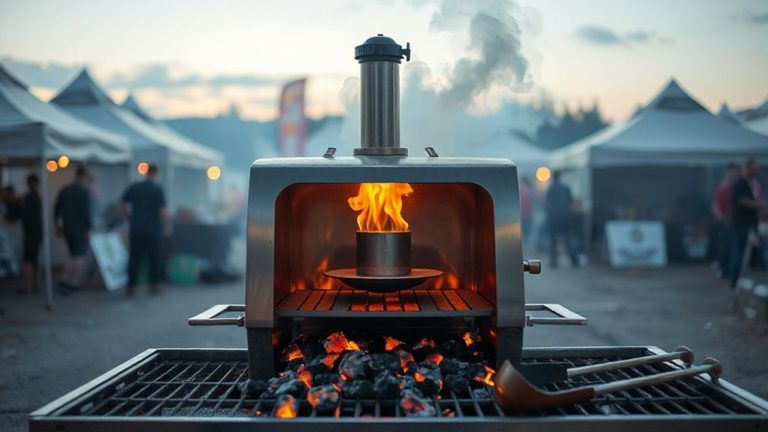
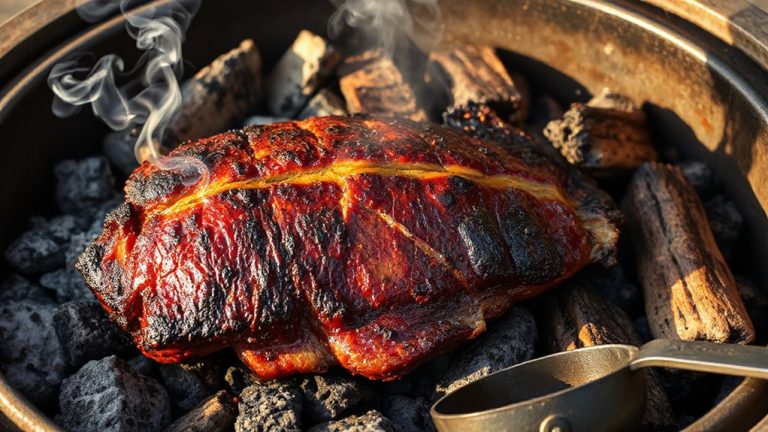
Once you’ve chosen your grill, setting up a two-zone fire comes down to arranging your heat source to create distinct cooking areas, and the method varies slightly depending on whether you’re using charcoal or gas. With a charcoal grill, pile the coals on one side-this fuel distribution creates a hot zone and a cool zone, giving you control. Guarantee proper grill placement so airflow isn’t blocked; the vents should be unobstructed for consistent burning. For gas grills, simply ignite one or two burners and leave the others off, effectively mimicking the same split. This setup allows flexibility, whether you’re searing or cooking low and slow. Proper fuel distribution directly affects temperature management and cooking precision. While gas offers convenience and quicker adjustments, charcoal delivers superior smoke and flavor depth. Both methods rely on smart grill placement and heat separation to maximize effectiveness and broaden your outdoor cooking range.
Use Each Zone for Perfect Sear and Even Cooking
While achieving a flawless sear might seem like the top priority, balancing it with even, controlled cooking is what truly separates good grilling from great-and that’s where using each zone of your two-zone fire becomes vital. You start over direct heat, where high temperatures enable rapid sear locking, caramelizing the surface and trapping juices just beneath. This quick crust formation doesn’t cook the interior, so you move the food to the indirect side. There, lower ambient heat guarantees gradual doneness without overcharing, greatly boosting moisture retention. You’re not just browning meat-you’re managing heat flow. This two-step process gives you precision: control over thickness, doneness, and texture, especially important with steaks, chicken, or thicker cuts. Unlike single-zone grilling, which risks drying out or burning, two-zone setups deliver consistency. It’s not just technique-it’s strategy. You’re not rushing; you’re guiding the cook, letting heat do the work while you manage timing and placement.
What to Grill in Each Two-Zone Fire Zone
Mastering the two-zone fire means knowing not just how, but what to grill in each zone-for best results, match the cut and cooking needs to the right side of the grill. Use the hot direct grilling zone for searing steaks, burgers, and vegetables; the high heat locks in juices and creates flavorful char quickly. Thinner cuts thrive here, where intense contact with the flame delivers rapid cooking. Move thicker meats like roasts, ribs, or whole chickens to the cooler side for indirect heat, allowing them to cook through evenly without burning. This zone is ideal for smoke infusion, especially when using wood chips-you’ll build rich flavor over time. Delicate items such as fish or stuffed vegetables also benefit from gentler indirect heat. Choosing the right zone based on thickness and desired finish guarantees control, texture, and depth.
Control Heat and Avoid Flare-Ups
Though heat management might seem like a secondary concern when you’re keen to start grilling, staying in control of your fire from the beginning makes the difference between restaurant-quality results and unevenly cooked food. You’ve set up your two-zone fire, so now it’s time to use it wisely. Place food needing constant attention over direct heat for searing-think steaks or burgers-but move thicker cuts like chicken or roasts to indirect heat to finish cooking without burning. Flare-ups happen when fat drips onto flames, so keep a spray bottle handy and never leave the grill unattended. Adjust vents to regulate airflow and temperature, especially on charcoal grills. You’ll maintain steady heat and avoid charring. Mastering direct heat for browning and indirect heat for even cooking guarantees flavorful, safe meals every time. A grill basket can help manage smaller or delicate items over indirect heat without losing them to the flames.
Fixing Common Two-Zone Grilling Mistakes
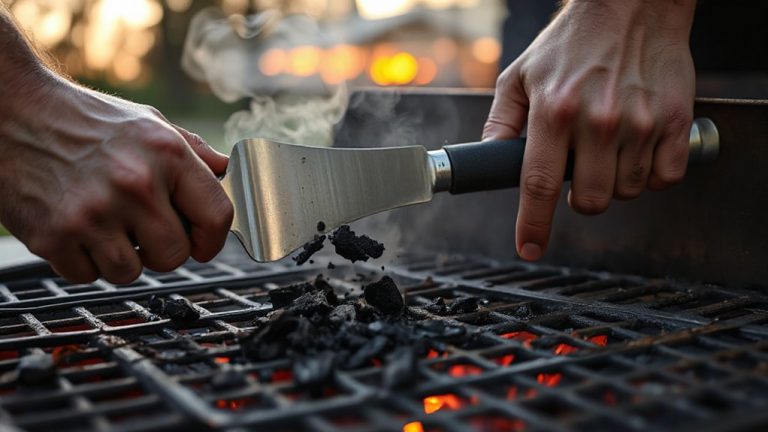
You’ve got your two-zone fire set up and know how to manage flare-ups, but even with the right foundation, common mistakes still trip up grillers. Poor char management is a frequent issue-letting ash and spent coals build up restricts heat and reduces efficiency. You’ll want to clean the grate and remove old coals before lighting to guarantee consistent performance. Many also neglect airflow adjustment, failing to tweak dampers to control temperature. Fully open vents can overheat the grill, while overly restricted airflow starves the fire, leading to uneven cooking. You should monitor the fire closely and modulate top and bottom vents to maintain steady heat. Proper airflow adjustment not only stabilizes temperature but improves fuel burn. Combine that with timely char management, and you’ll avoid hot spots, wasted fuel, and undercooked food-keeping your two-zone strategy effective and reliable every cook. For optimal results, consider using a charcoal grill smoker designed for precise heat control and consistent airflow.
On a final note
You’ve got the tools to master two-zone grilling: it gives you control, prevents burn-through, and boosts flavor. Sear over direct heat, then move to indirect for even cooking. It works on gas, charcoal, or pellet grills. Avoid flare-ups by managing fat drips and airflow. Proper setup means juicier meats, crisp exteriors, and consistent results-every time. Once you adjust temps and placement, you’ll wonder how you grilled any other way.