How to Set Up a Hibachi Grill for Authentic Japanese-Style Yakitori Cooking
Use binchotan charcoal in your hibachi for intense, steady heat up to 1,800°F, ensuring clean combustion with minimal smoke that won’t overpower delicate yakitori flavors. Position the grill on a stable, wind-protected surface and start with open vents, closing them partially once coals develop a uniform gray ash. This setup sustains 400–500°F for even cooking. Skewer ingredients uniformly and rotate every minute for ideal char-precision here makes all the difference in achieving authentic results. Mastery begins with these details.
Notable Insights
- Use high-quality binchotan charcoal for intense, consistent heat exceeding 1,800°F and minimal smoke.
- Place the hibachi on a stable, non-flammable surface in a sheltered area to prevent wind interference.
- Start with open vents to ignite coals, then partially close them once binchotan develops a white ash layer.
- Maintain 400–500°F by regulating airflow, ensuring steady heat ideal for delicate yakitori cooking.
- Clean grates with a wire brush while warm and empty the ash tray to ensure optimal performance and safety.
Choose Binchotan for Authentic Yakitori Flavor
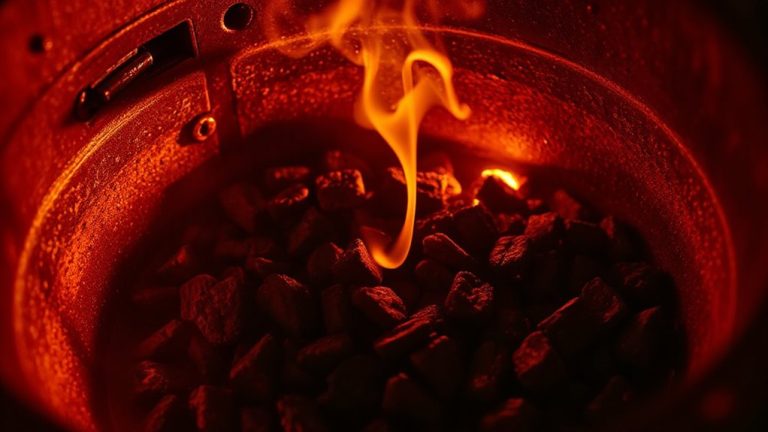
While you might be tempted to use standard charcoal for your hibachi grill, going with binchotan offers a noticeable upgrade in both heat and flavor. This dense, high-carbon charcoal burns hotter and longer-often exceeding 1,800°F-making it ideal for searing skewers quickly while locking in juices. Its clean burn produces minimal smoke and odor, preserving the food’s natural taste. When considering binchotan sourcing, look for authentic ko binchotan made from hardwood like ubame oak, typically kiln-fired slowly for superior density. Avoid cheaper imitations that compromise performance. Proper charcoal storage is equally important; keep binchotan in a dry, airtight container to prevent moisture absorption, which hinders ignition and burn efficiency. Stored correctly, it can last months without degrading. Though pricier upfront, binchotan’s performance and purity justify the cost for serious yakitori cooking. For top-performing options, check out the Best Japanese Charcoal Picks to find trusted brands and varieties ideal for hibachi use.
Set Up Your Hibachi for Steady Yakitori Heat
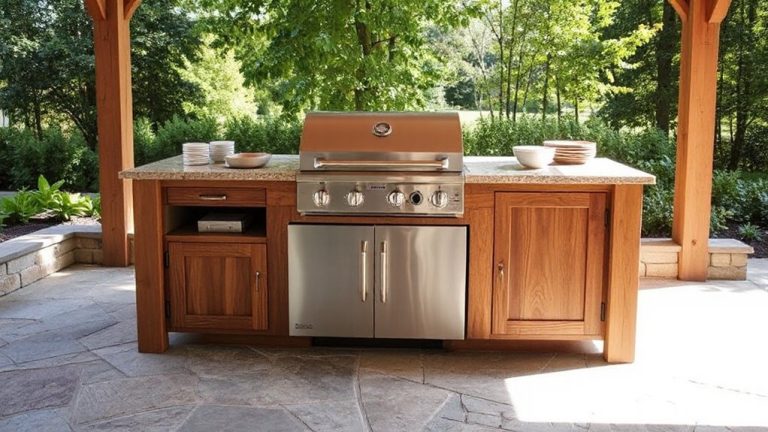
You’ve chosen binchotan for its clean, intense heat and authentic flavor - now it’s time to set up your hibachi to make the most of that fuel. Proper grill placement is essential; position it on a stable, non-flammable surface with ample clearance from walls or overhangs to guarantee safety and consistent airflow. Wind can disrupt temperature control, so a sheltered spot helps maintain steady heat. For maximum airflow control, adjust the hibachi’s vents gradually-start wide to ignite the coals, then partially close them once binchotan reaches a white glow. This regulates oxygen, preventing overheating while sustaining a uniform 400–500°F cooking zone. Well-managed airflow also minimizes smoke and fuel waste, letting the pure heat enhance, not overpower, your ingredients. A stable setup means fewer flare-ups and even cooking-ideal for delicate yakitori. For best results, consider using one of the top-rated yakitori grills designed specifically for precision heat control and efficient binchotan use.
Skewer Chicken and Veggies for Even Cooking
Since consistent cooking depends on uniform skewer construction, take care to cut chicken and vegetables into pieces that are similar in size and shape-ideally 1 to 1.5 inches thick-so they cook at the same rate over the glowing binchotan. Your marinade selection impacts both flavor and texture; opt for balanced glazes like tare or shio that won’t burn easily. Avoid oversaturating, as excessive sugar can lead to charring before the interior cooks through. When assembling, maintain even skewer spacing-about ¼ inch between pieces-to allow heat circulation and prevent steaming. This spacing also guarantees each piece gets direct radiant heat, promoting uniform doneness. Wooden skewers should be soaked, but stainless steel or reusable metal ones offer better heat transfer and don’t risk burning. Thoughtful skewer construction enhances control, making it easier to achieve the tender, juicy results yakitori demands. For reliable performance and durability, consider investing in high-quality best skewers for grilling.
Grill Yakitori With Smoky Char and Timing
Once the binchotan coals have developed a consistent layer of gray ash, you’re ready to position your skewers on the grill-close enough to catch the radiant heat but not so near that flames leap up and scorch the surface. You want a steady, even temperature to achieve that ideal smoky char without burning. Hold the skewers at a slight angle, letting the heat lick the ingredients gently. Flip them frequently-every 60 to 90 seconds-for balanced cooking timing and even caramelization. Chicken thighs take about 8–10 minutes total; veggies need less, around 4–6. Watch for juices to run clear and edges to crisp slightly. The smoky char shouldn’t be bitter-just deep, toasty, and aromatic. Proper cooking timing guarantees tender interiors and flavorful exteriors. A well-managed fire gives consistent results, making each batch taste just as good as the last. This control is where the hibachi shines.
Clean Your Hibachi After Every Use
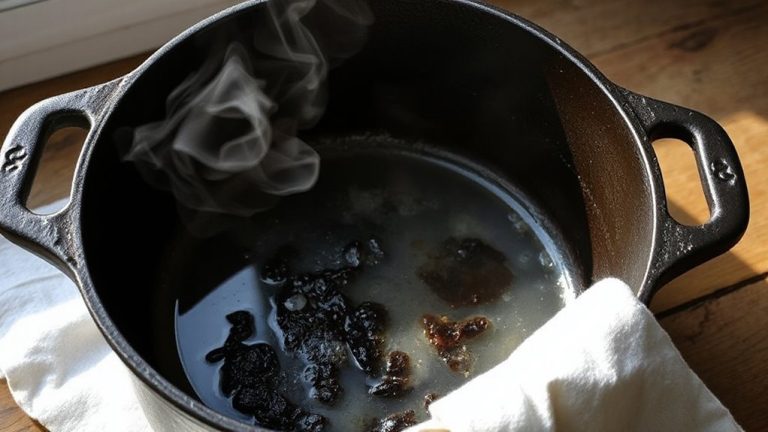
Lettting the coals die down after achieving that perfect sear on skewers doesn’t mark the end of a proper hibachi session-it’s just the beginning of responsible upkeep. Proper grill maintenance guarantees longevity and consistent performance, especially with frequent use. While the grill’s still warm, use a wire brush to remove food residue from the grates; doing so prevents buildup that can affect flavor and hygiene. Once cooled, wipe down the exterior with a damp cloth to avoid soot accumulation. Empty the ash tray promptly to prevent airflow obstruction and corrosion. A clean hibachi heats evenly and responds predictably, essential for authentic yakitori. Neglecting post-use cleaning invites rust and inconsistent burns. Though minimal, this care makes a noticeable difference in both safety and results. Regular attention turns a simple grill into a reliable tool, reflecting respect for the craft. Cleanliness isn’t just about appearance-it’s core to performance.
On a final note
You’ve now mastered the essentials of authentic yakitori on a hibachi grill. Using binchotan guarantees clean, intense heat with subtle smokiness, while proper skewering and timing yield tender, evenly cooked results. A well-maintained grill performs reliably, enhancing flavor and control. Though precise setup demands effort, the payoff-restaurant-quality yakitori at home-justifies it. With consistent technique and post-use care, your hibachi becomes a durable, high-performance tool for elevated outdoor cooking.