Grilling Turkey Breast: Keeping It Moist and Flavorful Every Time
Choose a boneless, skin-on turkey breast with even thickness to guarantee consistent grilling. Brine it overnight-dry brine for crisp skin or wet brine for deeper moisture-then add a citrus marinade for brightness. Preheat your grill to 375°F–450°F and sear over direct heat before moving to indirect heat at 350°F–375°F. Use a two-zone fire and monitor internal temperature, pulling the meat at 150°F–155°F. Let it rest 10–15 minutes before slicing. You’ll discover better results by fine-tuning each step.
Notable Insights
- Choose boneless, skin-on turkey breast with even thickness to ensure consistent cooking and moisture retention.
- Brine overnight using a dry brine for crispier skin and deeper flavor, or wet brine for added moisture.
- Preheat grill to 375°F–450°F and clean, oil grates to create a proper sear and prevent sticking.
- Sear over direct heat for 5–7 minutes, then transfer to indirect heat at 350°F–375°F for even cooking.
- Rest grilled turkey breast for 10–15 minutes before slicing to retain juices and ensure maximum tenderness.
Choose the Best Turkey Breast for Grilling
A well-chosen turkey breast makes all the difference when you’re firing up the grill, and your best bet is a boneless, skin-on cut that’s evenly thick throughout. You want consistent thickness so it cooks evenly-no dry, overcooked spots. The skin helps lock in moisture and crisps nicely over indirect heat. If you’re blending grilling with smoking techniques, go low and slow at around 225°F. This gives the meat time to absorb flavor without drying out. For wood chip pairing, mild fruitwoods like apple or cherry work best-they add a subtle sweetness without overpowering the bird. Avoid strong mesquite; it can dominate. For even more flavor and moisture, consider using a turkey brine kit before grilling. With the right cut and a smart approach to heat and smoke, you’re set up for success. It’s not just about temperature control; it’s how the meat interacts with the flame and smoke. Choose wisely, and you’ll taste the difference.
Brine It for Juicy, Flavorful Results
If you’re aiming for tender, juicy turkey breast with deep flavor, then brining is a step you won’t want to skip. A good brine infuses moisture and enhances taste, ensuring your turkey stays succulent on the grill. You can choose between a wet brine or a dry brine-both work well, but a dry brine offers easier storage and a more concentrated flavor crust. For brightness, consider a citrus marinade after brining, which adds zest without weakening the surface for searing. A spacious, food-safe brining container is essential for fully immersing larger cuts like turkey breast, especially when using a wet brine.
| Method | Best For |
|---|---|
| Wet Brine | Deep moisture penetration |
| Dry Brine | Crispy skin, simpler prep |
| Citrus Marinade | Flavor lift, tenderizing |
| Combined Approach | Balanced juiciness and taste |
Dry brining overnight delivers reliable results, while a citrus marinade in the final hours boosts complexity.
Preheat the Grill for Even Cooking
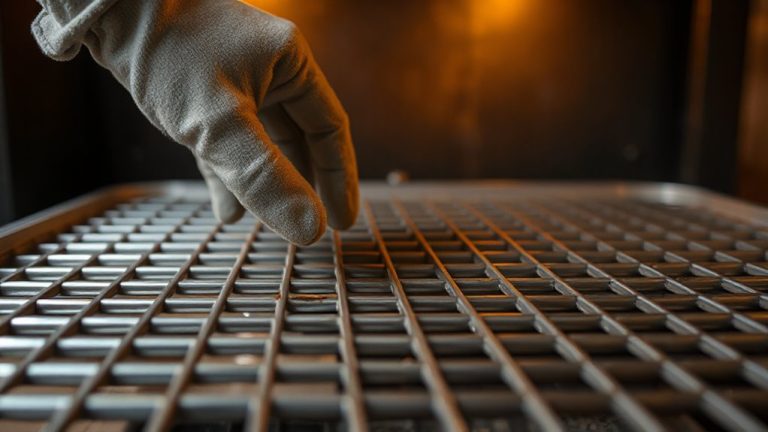
Once your turkey breast has had time to brine and develop that deep, well-seasoned flavor, it’s time to turn your attention to the grill-because how you heat it up plays just as big a role in the final outcome. Preheating your grill guarantees consistent temperature control, which is essential for even cooking. You’ll want to heat it to medium-high, around 375°F to 450°F, so it’s ready for direct heat searing. This initial blast of heat helps lock in juices and creates those attractive grill marks everyone loves. Without proper preheating, the meat might stick or cook unevenly, leading to dry spots. A hot grill also reduces overall cook time, minimizing moisture loss. Make sure the grates are clean and lightly oiled before placing the turkey on-this improves contact and enhances sear quality. Proper preheating isn’t just routine; it’s the foundation of effective grilling.
Use a Thermometer to Avoid Overcooking
You’re better off skipping guesswork when it comes to cooking turkey breast-relying on a meat thermometer isn’t just smart, it’s essential for nailing that perfect doneness without drying it out. Proper probe accuracy guarantees you’re reading the true internal temperature, not a false high or low caused by poor sensor placement or calibration. Uneven heat distribution on grills can create hot spots, making some areas cook faster-your thermometer helps navigate this. Always insert the probe into the thickest part of the breast, avoiding bone or fat, for the most reliable reading. For consistent results, consider using a high-quality instant-read thermometer that delivers fast and accurate readings. Here’s a quick guide:
| Temperature (°F) | Doneness |
|---|---|
| 150–155 | Juicy, safe with rest |
| 160–165 | Fully done, slight risk of dryness |
| 170+ | Overcooked, tough |
Trust the thermometer-it’s the only way to balance safety, flavor, and texture.
Grill at the Right Temperature and Time
A two-zone fire setup-meaning you’re using both direct and indirect heat zones-is your best bet for grilling turkey breast cleanly and evenly. Start over high heat to sear the skin, locking in juices and adding appealing grill marks. After about 5–7 minutes, move the turkey to the indirect method, where it cooks more gently without risk of charring. Maintaining a steady 350°F–375°F in the indirect zone guarantees thorough cooking while preserving moisture. This approach balances speed and control far better than a single heat zone. You’ll find the indirect method especially effective for larger breasts, preventing undercooked centers or dry edges. Total grill time usually runs 20–30 minutes, depending on thickness. Rely on your thermometer to confirm doneness, but trust the temperature strategy to deliver consistent results. With practice, this technique becomes a reliable standard for flavorful, evenly cooked turkey every time.
Rest Before Slicing for Tender Meat
Pulling that golden-brown turkey breast off the grill signals the final stretch, but patience matters just as much as heat control now. Let it rest for at least 10–15 minutes before slicing-this isn’t downtime, it’s vital for juice retention and texture improvement. As the meat rests, internal temperature evens out, allowing fibers to reabsorb fluids pushed toward the center during grilling. Without this pause, cutting too soon releases accumulated juices onto the cutting board, leaving meat dry and disappointing. Resting guarantees each slice stays moist and flavorful, enhancing both mouthfeel and presentation. You’ve managed the fire, monitored the time, and maintained consistent heat-don’t undo your work with a rushed knife. This step is as key as any other in outdoor cooking, especially with lean meats like turkey. Proper rest transforms good results into great ones, delivering tender, succulent meat every time.
On a final note
You’ve got this: choosing the right turkey breast, brining it, and preheating your grill sets the stage for success. Grilling over controlled heat and using a thermometer guarantees precision, while resting the meat locks in juices. These steps, grounded in practical BBQ science, deliver moist, flavorful results every time. They’re not just tips-they’re proven techniques that elevate outdoor cooking from guesswork to mastery, making your effort count with consistent, high-quality outcomes worth serving.