How to Roast Hot Dogs on a Stick Without Charring or Undercooking
Use a ¾-inch hickory or maple stick to roast natural-casing hot dogs over low, glowing embers for even heat. Start rotating slowly as soon as they sizzle, keeping them in steady motion to avoid char and raw spots. Aim for golden-brown color, slight blistering, and an internal temp of 160°F. Lightly score the dogs, add butter near the end, and season smartly. You’ll soon discover more expert tricks to perfect your campfire cookout.
Notable Insights
- Choose a ¾-inch hardwood stick like hickory or maple for even heat and better flavor.
- Use natural-casing hot dogs for improved heat resistance and a desirable sear.
- Cook over low, steady coals instead of open flames to prevent charring.
- Rotate the hot dog slowly and continuously for uniform browning without hot spots.
- Check for golden-brown color, slight blistering, and an internal temperature of 160°F.
Choose the Best Hot Dog and Stick for Even Cooking
A well-chosen hot dog and stick make all the difference when roasting over an open flame, and skipping this step can lead to uneven cooking or even a burned snack. You’ll want a stick with moderate thickness-too thin, and it chars quickly; too thick, and it’s clumsy to handle. Aim for about ¾ inch in diameter for balance. The wood type matters just as much: hardwoods like hickory or maple burn cleaner and won’t impart a bitter taste, unlike soft or resinous woods. Pair that with a natural-casing hot dog, which holds up better under heat and gives you that desirable sear. Processed, thin-skinned dogs often split or cook unevenly. When both your stick thickness and wood type are ideal, heat transfers steadily, allowing the hot dog to warm through without burning the exterior. This combo isn’t just practical-it’s essential for consistent results every time. For the best results, choose hot dogs made with high-quality natural casings that snap cleanly when bitten.
Build a Low, Steady Fire for Better Control
While you might be tempted to crank up the flames for a quick roast, keeping the fire low and steady actually gives you far more control over how evenly your hot dog cooks. A moderate flame guarantees consistent heat distribution, reducing the risk of sudden flare-ups that char the outside while leaving the inside underdone. You’ll also improve fire safety by minimizing unpredictable sparks and avoiding excessive smoke. Build your fire with small, dry wood pieces or charcoal, arranging them for even glow rather than towering flames. This setup maintains a stable temperature zone, perfect for gradual cooking. Avoid overloading the pit-too much fuel raises the heat too quickly and makes regulation difficult. With steady airflow and careful monitoring, you create a reliable environment where precision matters more than power. A calm fire isn’t just safer-it’s smarter, giving you the control needed for consistently well-cooked results. Using a high-quality basting brush can help apply marinades or oils evenly, enhancing flavor without increasing flare-up risks.
Rotate for Golden, Char-Free Roasting
That sizzle you hear when the hot dog hits the stick? It’s your cue to start rotating-immediately. Holding it in place leads to blistered spots and raw patches, but with even rotation, heat distributes uniformly across the surface. Keep the stick moving in slow, steady circles above the coals, not the flames. You want a consistent glow from the embers, not sporadic flare-ups. This method leverages radiant heat rather than direct fire, giving you control. Too fast, and the outside won’t caramelize; too slow, and you risk charring. Aim for one full rotation every five seconds-this rhythm balances browning and safety. A consistent glow guarantees the heat remains stable, meaning your hot dog cooks through without burning. With even rotation, you’re not just cooking; you’re fine-tuning. It’s the difference between guesswork and mastery, between a mess and a meal.
Spot the Signs of a Perfectly Roasted Hot Dog
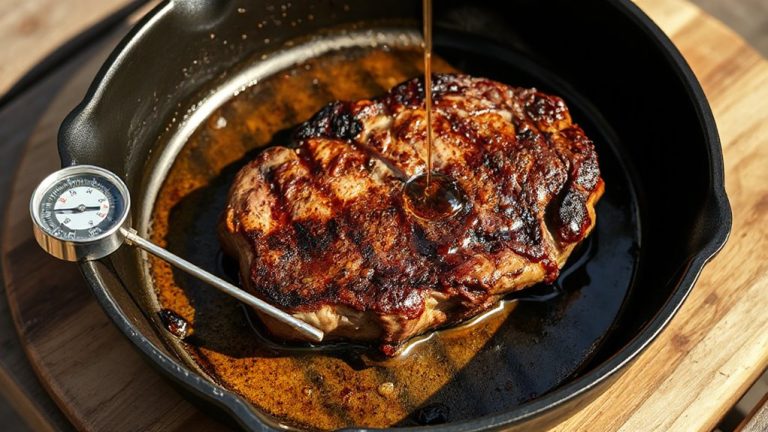
The moment the skin of your hot dog begins to crackle and pull away in delicate threads, you’re inches from perfection. Those visual cues-golden-brown edges, slight blistering, and a sheen of rendered fat-are your first signals. You’re not just cooking; you’re monitoring a transformation. Lift the hot dog slightly and check for even browning around the stick-no pale spots. For accuracy, slide a quick-read thermometer in sideways; the internal temperature should hit 160°F. That’s the sweet spot: safe, juicy, and fully heated through without drying out. Under 150°F and it’s risky; over 170°F and you’ll taste rubber, not roast. Visual cues guide speed, but the internal temperature confirms doneness. Unlike grilling, roasting over open flame demands attention, not guesswork. You’re balancing heat exposure with timing, so trust both sight and science. When both agree, you’ve nailed it-one perfectly roasted hot dog, ready to enjoy.
Boost Flavor With These Smart Roasting Tweaks
A few simple tweaks can transform your stick-roasted hot dog from basic to memorable, and you don’t need gourmet ingredients to do it. Start by lightly scoring the hot dog before roasting-this increases surface area, promoting even heat exposure and better texture. Just before it finishes cooking, try butter basting: brush melted butter on the surface using a silicone brush. The fat promotes browning and adds rich flavor without flare-ups. For depth, sprinkle a pinch of smoky seasoning-paprika-based blends work best-either before or after roasting. Unlike liquid marinades, dry rubs won’t drip or cause sudden flames. These methods enhance taste and appearance without complicating the process. Butter basting gives a glossy finish and subtle richness, while smoky seasoning complements the natural char from open-flame cooking. Combined, they elevate a simple campfire staple with minimal effort and maximum impact. For an extra kick, consider adding crushed best peppers for hot sauce to your seasoning blend just before serving.
On a final note
You’ve got the tools and techniques to roast hot dogs evenly over the fire. Choosing the right dog and stick, maintaining a low flame, and rotating steadily prevent charring while ensuring thorough cooking. A golden-brown exterior with plump texture signals perfection. Small tweaks-like toasting the bun on the stick-add flavor without fuss. This method balances control and simplicity, making it ideal for beginners and seasoned camp cooks alike. Outdoor cooking shouldn’t be unpredictable. With practice, consistent results are achievable every time.