Revive a Dying Wood Fire: No Smoke, No Flare-Ups (Steps)
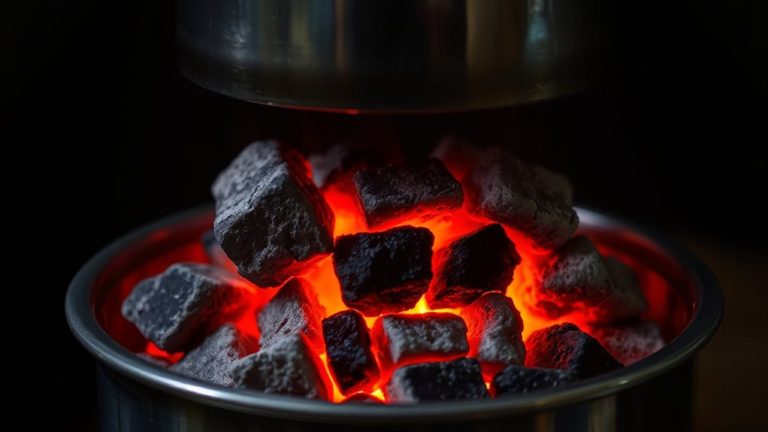
If your wood fire’s fading, don’t toss on big, damp logs-you’ll choke it and create smoke. Instead, gently break up cooled ash and clumped coals to expose the glowing embers, then add dry softwood kindling in a loose teepee. Open the damper slightly to draw in air at the base, feeding the fire where it needs it most. This method sustains heat, minimizes flare-ups, and sets the stage for stronger, longer-lasting flames with the right wood and structure.
Notable Insights
- Break up compacted coals gently to restore airflow without disturbing the insulating ember layer.
- Add dry, seasoned kindling in a loose teepee to ignite embers without smoke or flare-ups.
- Prioritize softwood kindling like cedar or pine for quick, clean ignition and steady flame spread.
- Slightly open air vents to feed oxygen to the base of the fire, boosting draft safely.
- Rebuild log stack with smaller pieces at the center, using crisscross spacing for airflow and heat retention.
Is Your Fire Dying? How to Revive It Fast
Why’s your fire flickering out when you’re just getting started? If the fire color’s dull orange or fading to gray, you’ve lost ideal heat intensity. That means trouble for searing or slow-cooking. A vibrant fire should glow yellow-orange at the edges, with embers radiating steady warmth-ideal for consistent outdoor cooking. Check the fuel: damp wood or packed logs choke airflow and drop temperature fast. You need balance. Break up clumped coals gently, then add dry kindling in a loose stack. Don’t smother the base. This jumpstarts combustion without overwhelming smoke. Watch the flame behavior-strong heat intensity returns when flames rise confidently, not crawl weakly over wood. Reviving your fire isn’t just about adding fuel; it’s about reigniting conditions for efficient burn. Monitor fire color closely. Blue hints mean peak efficiency; lingering red means it’s still recovering. Act fast, stay precise. For extended cooking control, consider integrating a camping stove alternative when fire conditions are unreliable.
Boost Airflow Without Causing Flare-Ups
While a dying fire often needs more oxygen, blasting it with air can ignite sudden flare-ups that scorch food and waste fuel. Instead, gently increase airflow by adjusting the vents or opening the dam(Debug just slightly-this supports the chimney draft without overwhelming the coals. A strong draft pulls smoke upward efficiently, but too much air rush can disrupt ember insulation, causing temperature spikes. Maintain a balance: let fresh air feed the base where embers glow, not the top where flames might race. Using a fire rake, shift coals slightly to expose breathing space while preserving the insulating layer around lingering heat. This method sustains steady combustion, improves fuel efficiency, and prevents flare-ups. You’ll get consistent heat for cooking, not sudden flames that ruin searing control. Smart airflow management isn’t about force-it’s about precision, leveraging chimney draft and ember insulation to revive your fire cleanly. Choosing the right type of firewood, such as hardwood logs, ensures cleaner burns and reduces excess smoke during re-ignition.
Rebuild the Log Stack for a Stronger Burn
If your fire’s losing heat and the logs have collapsed into a smoldering pile, it’s time to restructure the stack to restore airflow and reignite a steady burn. Proper log placement is essential-start by positioning smaller, hotter-burning pieces near the center, then gradually layer larger logs around them in a crisscross or teepee formation. This design promotes airflow while supporting gradual, even combustion. Avoid piling logs too tightly; spacing allows oxygen to circulate, reducing smoke and preventing suffocation of the flames. Effective heat retention depends on maintaining this balance-dense hardwoods like oak or hickory hold and radiate heat longer when arranged correctly. A well-structured stack doesn’t just burn brighter; it sustains higher temperatures longer, making it ideal for consistent outdoor cooking. Rebuilding isn’t just maintenance-it’s optimization for performance, efficiency, and control.
Add Kindling: Not More Logs: to Restart the Fire
A weak fire needs spark, not bulk-so skip tossing on another log and reach for the kindling instead. Kindling ignites faster and generates the immediate heat needed to reignite smoldering embers without overwhelming the fire’s delicate balance. Proper wood selection matters: softwoods like pine or cedar work best here, as they catch quickly and burn hot, supporting ember preservation by reviving airflow and temperature without smothering the base. Harder logs may seem logical, but they often dampen coals due to moisture retention or slow combustion, especially if poorly seasoned. By using small, dry sticks or split taper pieces, you encourage steady flame spread while maintaining the foundational embers essential for long-term cooking stability. This method prioritizes control, minimizing smoke and flare-ups. It’s not just about restarting the fire-it’s about reigniting it intelligently, ensuring consistent performance for effective outdoor cooking. For optimal results, consider pairing this technique with one of the best bushcraft campfire styles to enhance heat distribution and fuel efficiency.
Keep Your Fire Alive With Dry Wood
The key to maintaining a reliable fire for outdoor cooking lies in one non-negotiable: dry wood. Your wood selection directly impacts heat consistency, smoke levels, and flame control. Wet or green wood not only struggles to ignite but produces excessive smoke due to high moisture content, which cools the fire and ruins flavor. Aim for seasoned hardwoods like oak or hickory, with moisture content below 20%. These burn hotter and longer, essential for steady cooking temperatures. Avoid softwoods or unseasoned logs-they flare unpredictably and leave behind creosote. Properly stored, elevated, and covered wood guarantees longevity and performance. Smart wood selection isn’t just prep-it’s part of the craft. Consistent heat means better searing, even cooking, and control. When reviving a dying fire, add dry pieces gradually. This sustains the burn without smothering it. Dry wood isn’t optional; it’s the foundation of effective, clean outdoor cooking.
On a final note
You’ve learned how to revive a dying fire effectively, and these techniques truly work. Proper airflow, strategic kindling, and log repositioning boost combustion without smoke or flare-ups. Dry wood remains essential for steady heat. Mastering these steps guarantees reliable performance for outdoor cooking, where temperature control matters. It’s not just about flame-it’s about sustainability, efficiency, and safety. With practice, you’ll maintain ideal burn conditions, enhancing every grilling or campfire session.