Why Some Pellet Smokers Produce Harsher Smoke Early in Startup Phase
Your pellet smoker produces harsh smoke at startup because the burn pot isn’t hot enough for complete combustion, so pellets smolder and release thick, acrid smoke full of unburned hydrocarbons. Cold temperatures, poor airflow, and low-quality or moist pellets make this worse, generating creosote that adds bitter, medicinal flavors. A proper 10–15 minute preheat with premium hardwood pellets guarantees cleaner, stable burns. Once the smoke turns thin and blue-gray, you’re set for flavorful results-what comes next reveals how to get there consistently.
Notable Insights
- Cold startup leads to incomplete combustion, producing thick white smoke due to low burn pot temperature.
- Low-quality pellets with high moisture or fillers release more unburned hydrocarbons and harsh smoke.
- Restricted airflow at ignition limits oxygen, causing uneven burning and dense initial smoke.
- Creosote from incomplete combustion adds acrid, bitter compounds to early smoke emissions.
- Insufficient preheating prevents clean burn; smoke turns milder only after reaching stable temperatures.
Why Pellet Smokers Produce Harsh Startup Smoke?
That initial puff of smoke when you fire up your pellet smoker often carries a sharper, more acrid edge than the clean, steady smoke that follows, and there’s a clear technical reason behind it. You’re likely smelling the result of incomplete combustion, caused primarily by cold startup conditions. At ignition, the burn pot hasn’t reached peak temperature, so pellets don’t fully combust, releasing more creosote-laden smoke. Poor fuel quality-like pellets with fillers or excess dust-exacerbates this, introducing impurities that burn unevenly. Airflow restriction from residual ash or poorly designed intake systems further hampers oxygen supply, delaying clean combustion. Even premium smokers can struggle here if maintenance is neglected. Over time, consistent use and proper cleaning minimize these issues. So while some harshness at startup is normal, its intensity reflects how well your smoker manages airflow and fuel quality during that critical warm-up phase.
What Happens During Startup?
You’re not imagining things when that first burst of smoke stings your eyes more than the steady plume later in the cook-that’s the smoker going through a necessary warm-up phase where conditions are far from ideal. During startup, fuel ignition begins with the auger feeding pellets into the firepot, but oxygen flow hasn’t yet stabilized. This leads to uneven burning and an early phase of smoke evolution that’s thick, white, and harsh. As temperatures rise and combustion efficiency improves, the smoke turns thin and blue-gray-a sign of cleaner burn. Patience here pays off. Choosing the right equipment can make a significant difference in managing this phase, and understanding what makes the best smokers for flavor helps ensure a smoother transition to optimal smoking conditions.
| Stage | Smoke Type |
|---|---|
| Initial ignition | Thick, white |
| Shift phase | Gray, fluctuating |
| Stable burn | Thin, blue-gray |
That progression reflects how smoke evolution depends on reaching peak combustion, not just fuel ignition.
How Incomplete Combustion Creates Bitter Smoke
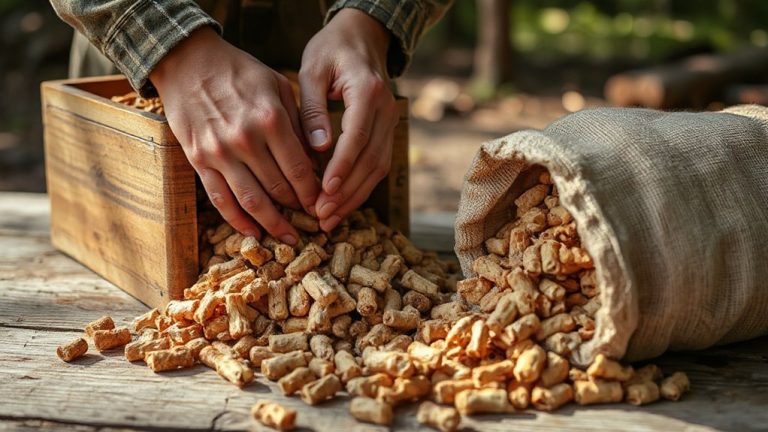
Although clean combustion is the goal, incomplete burning during the early stages or due to poor maintenance often leaves behind a pungent, acrid smoke that clings to meat and ruins flavor. You’re likely to encounter this when fuel moisture is too high or pellet composition varies widely in quality. Wet pellets don’t burn efficiently, releasing more unburned hydrocarbons and creating that harsh, bitter smoke. Even if your smoker reaches temperature, inconsistent pellet composition-like fillers or softwood blends-can skew combustion chemistry. Hardwoods burn cleaner, but mixtures with binding agents or contaminants increase soot and creosote. That’s why seasoned users stick to reputable brands with low moisture content and pure wood. You’ll notice the difference in both smoke aroma and final taste. Incomplete combustion isn’t just about startup; it’s a maintenance and material issue. Choose pellets wisely, store them dry, and you’ll minimize bitter smoke every time. A well-maintained vertical pellet smoker ensures more consistent combustion and reduces the risk of harsh smoke.
How Temperature Prevents Harsh Smoke
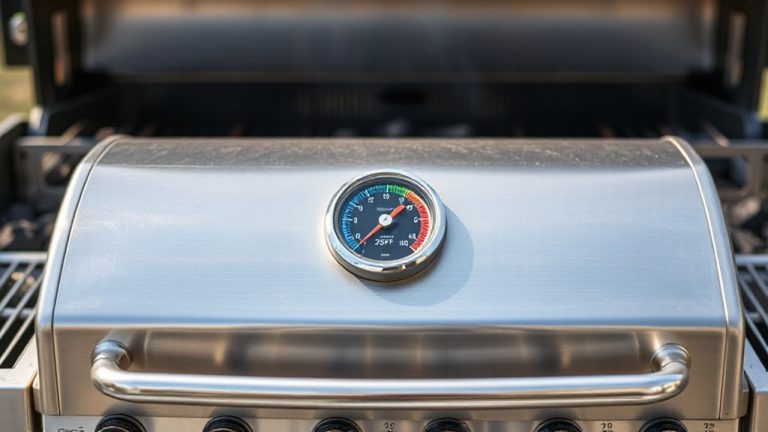
When your pellet smoker runs too cold, it can’t sustain clean combustion, and that’s when you start tasting the unpleasant, sharp bite of harsh smoke. Proper temperature control is essential-once the fire reaches ~225°F, thermal dynamics shift in your favor, promoting complete burn and cleaner smoke. Below that, unburned compounds linger, creating bitterness. Consistent heat guarantees pellets combust efficiently, reducing acrid flavors early in the cook.
| Feeling | Smoke Quality |
|---|---|
| Frustrated | Thin, biting, acrid |
| Confident | Smooth, aromatic, sweet |
Mastering thermal dynamics means trusting your smoker’s ability to stabilize, but also verifying with a reliable probe. Without adequate temperature control, even premium pellets produce harsh results. The machine’s design matters, but your settings make the real difference. Let it climb fully before adding food-patience here prevents disappointment later. Choosing the right model can significantly improve heat retention and stability, especially with best wood pellet smokers designed for consistent performance.
Why Creosote Causes Harsh Smoke in Pellet Smokers?
Creosote, that sticky, tar-like residue born of incomplete combustion, is the silent saboteur behind many harsh smoke flavors in pellet smokers. When your smoker runs too cool during startup, combustion isn’t complete, and creosote forms because of the chemical composition of unburned wood compounds. This residue doesn’t just coat your smoker- it alters the smoke density, shifting it from light and aromatic to thick and acrid. That heavy smoke carries bitter, medicinal flavors that cling to your food, undermining good technique. The chemical composition of creosote includes polycyclic aromatic hydrocarbons and other compounds known for harshness, which is why you notice that unpleasant bite early in the smoke cycle. A higher smoke density from incomplete burn means more of these undesirable particles are present. You’re not just fighting flavor here- it’s about combustion efficiency and proper smoker management. Letting your unit reach full operating temp prevents this.
How to Stop Harsh Smoke Before Cooking
You can dodge that acrid, tongue-coating smoke right from the start by focusing on proper startup procedures-something that builds directly on the creosote issues just covered. Good airflow control and high fuel quality are critical during ignition. Wet or dusty pellets generate excessive smoke and contribute to early creosote formation, so always store your fuel in a dry place and inspect it before use. Make sure the auger feed and burn pot are clean, and open the damper fully at startup to encourage complete combustion. As the fire stabilizes, adjust the airflow control to maintain a steady, blue-tinged flame-never a thick, white plume. Consider using premium hardwood pellets with low moisture content to improve burn efficiency.
| Factor | Poor Practice | Best Practice |
|---|---|---|
| Fuel Quality | Damp, cheap pellets | Dry, high-grade hardwood |
| Airflow Control | Restricted intake | Fully open, then fine-tuned |
| Startup Routine | Immediate cooking | Clean burn before adding food |
How Long to Preheat Before Cooking?
Though getting your pellet smoker ready might seem like a straightforward task, skipping a proper preheat can set the stage for harsh smoke and uneven cooking. You should typically preheat for 10 to 15 minutes, but that can vary based on your smoker’s design, fuel type, and ignition method. Hardwood pellets burn cleaner and stabilize faster than softwood blends, meaning your smoke quality improves sooner. Smokers with a fast-burn ignition method, like direct-fire rods, heat up quickly but may produce more initial smoke residue if not given time to burn off. Indirect ignition systems tend to light more gradually, requiring a full preheat to reach ideal combustion. Ignoring this step risks cooking with incomplete combustion byproducts, which taint flavor. Letting your smoker cycle fully guarantees the fire pot, heat baffle, and grates stabilize so your food starts in clean, consistent heat-critical for professional results.
On a final note
You’ll notice harsh smoke during startup because incomplete combustion produces bitter compounds and creosote before the fire reaches ideal temperature. Once your pellet smoker hits 225°F and burns cleanly, that acrid smoke clears. Preheating for 10–15 minutes guarantees efficient burn and better flavor. It’s not just routine-it’s essential for quality BBQ. Proper startup prevents off-flavors, showing how design, fuel quality, and patience directly impact results every time you cook.