Using a Pellet Smoker for Set-and-Forget Barbecue Excellence
You’ll love how a pellet smoker delivers set-and-forget barbecue excellence with digital controls managing heat and smoke automatically. It burns 100% hardwood pellets cleanly, giving you consistent flavor without flare-ups. Just set your temp, load quality wood pellets, and let it maintain steady conditions, even in wind or cold. Prep your meat right, avoid common mistakes like poor cleanup, and you’re set-there’s more to getting it perfectly right than most realize.
Notable Insights
- Use a pellet smoker’s digital controller to maintain precise, hands-free temperature control for consistent results.
- Choose 100% hardwood pellets like hickory or fruitwood to ensure clean smoke and optimal flavor.
- Prepare meat by trimming fat, seasoning early, and resting at room temperature before smoking.
- Avoid frequent lid openings to preserve stable temperature and smoke levels during long cooks.
- Perform regular cleaning and maintenance to prevent ash buildup and ensure reliable pellet feed.
Why Pellet Smokers Make BBQ Easy
While you might think mastering barbecue requires years of practice and constant fire tending, a pellet smoker simplifies the entire process with smart engineering and user-friendly features. You’ll appreciate the pellet efficiency-these machines feed wood pellets automatically, using just enough fuel to maintain steady heat without waste. That means less monitoring and fewer mid-cook adjustments. Flavor consistency is another strong point; the precise burn of hardwood pellets delivers a clean, uniform smoke, enhancing meats without overpowering them. Whether you’re smoking brisket for 12 hours or grilling chicken in under an hour, the results are reliably even. Digital controls let you set it and forget it, freeing you from babysitting the fire. Compared to charcoal or offset smokers, pellet models demand less effort while delivering restaurant-quality BBQ. For home cooks who value both performance and convenience, that balance is exactly what makes pellet smokers so effective. Beginners will find success quickly, especially when starting with one of the best pellet smokers for beginners.
How Pellet Smokers Control Smoke and Temperature
You get consistent results with a pellet smoker because it’s built to manage both smoke and temperature with precision, thanks to a smart system that automates what used to require constant attention. The digital controller adjusts heat by regulating pellet combustion, responding to internal temperature readings in real time. An auger feeding system slowly delivers wood pellets from the hopper to the fire pot, ensuring a steady fuel supply. This controlled burn produces clean smoke without flare-ups, ideal for long cooks. Unlike charcoal or gas, pellet smokers maintain stability even in changing weather. You can set a target temperature-say, 225°F-and walk away, confident the unit will hold it within a few degrees. The combination of responsive electronics and consistent auger feeding minimizes guesswork. While startup is slower than gas, the payoff is reliable, hands-off cooking with rich, even smoke flavor throughout. Luxury models often include advanced connectivity and superior insulation for enhanced performance and durability, making them ideal for enthusiasts who value top luxury grills in their outdoor kitchen setup.
Choose the Best Wood Pellets for Your Meat
Choose the Best Wood Pellets for Your Meat
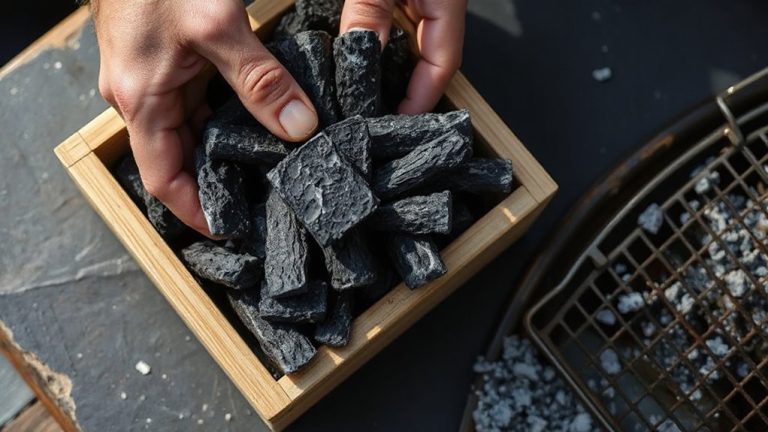
Flavor starts with the fuel, and when it comes to pellet smokers, the right wood makes all the difference in how your meat turns out. You need to take into account both flavor pairing and pellet quality for the best results. Lighter meats like chicken or fish work well with fruitwood or alder pellets, offering a mild, sweet smoke. For beef or pork, go with hickory or mesquite for a bolder, rich taste. Avoid overly dense smokiness on delicate proteins-it can overwhelm. High pellet quality means 100% hardwood, no fillers or binding agents, which guarantees clean burns and consistent flavor. Cheap pellets often contain softwood or dust, leading to uneven smoke and soot. Always check the label. Premium brands may cost more, but they deliver reliable performance and cleaner combustion. Your smoker runs smoother, and your meat tastes better when you choose wisely. A reliable starting point is understanding the best wood chips for smoking, as the flavor principles apply equally to smoke derived from pellets.
Get Your Meat Smoker-Ready
Picking the right pellets sets the foundation, but getting your meat smoker-ready is where the process really starts to matter. You’ll want to take into account both marinade selection and seasoning timing to maximize flavor and texture. A well-chosen marinade tenderizes while enhancing taste-acidic bases like vinegar or citrus work well for tougher cuts, while oil-based mixes suit leaner meats. Apply it at least 4 hours ahead, but avoid exceeding 24 hours to prevent mushiness. Seasoning timing is just as critical: salt early for deeper penetration, but add delicate spices right before smoking to preserve potency. Pat the surface dry before seasoning-moisture blocks adhesion and hinders bark formation. Trim excess fat to promote even rendering, then let the meat rest at room temperature for 30–60 minutes. This stabilizes cooking temps and promotes uniform smoke absorption. Proper prep guarantees your smoker delivers consistent, restaurant-quality results every time.
Set-and-Forget Smoking: Step-by-Step Guide
Once the smoker’s up to temperature and the meat’s properly prepped, set-and-forget smoking becomes less about constant attention and more about trusting your equipment and process. You’ll load the hopper with quality pellets, ensuring consistent fuel supply for steady heat and smoke management. Set your desired temperature-usually between 225°F and 250°F for most meats-and let the smoker’s digital controller do the work. Good smoke management means avoiding thick, billowing clouds; instead, aim for a thin, blue smoke that enhances flavor development without overwhelming the meat. Pellet smokers excel here, automatically adjusting burn rates to maintain conditions ideal for deep, smoky flavor development over time. You can walk away confidently, knowing the unit maintains stability far better than most traditional smokers. Just monitor occasionally, and resist the urge to open the lid too often-each peek disrupts the thermal and smoke balance.
Avoid These 5 Common Pellet Smoker Mistakes
You’re not alone if you’ve struggled with temperature swings or bitter flavors when using a pellet smoker-many beginners make small missteps that undermine otherwise great cookouts. Skipping a consistent cleaning schedule is one of the top mistakes; built-up grease and ash hinder airflow and temperature control. Neglecting firepot maintenance leads to clogs, causing uneven burns or shutdowns. Using low-quality pellets introduces impurities that affect smoke quality and taste. Overloading the hopper reduces pellet flow efficiency, while leaving the smoker exposed to weather risks augering issues. You should also avoid constantly lifting the lid-every peek disrupts thermal stability. These errors compromise your set-and-forget advantage. A well-maintained smoker with timely firepot maintenance and a strict cleaning schedule delivers consistent, flavorful results. Prevention beats troubleshooting, so treat maintenance as essential as seasoning your meat.
On a final note
You’ve seen how pellet smokers simplify barbecue with precise temperature control and consistent smoke. Their automated feeding systems and digital controllers deliver hands-off cooking, ideal for busy schedules. Quality wood pellets enhance flavor without overpowering. When maintained properly, these smokers offer reliable performance across seasons. While not immune to mistakes, avoiding common pitfalls maximizes results. For set-and-forget ease and flavorful, evenly smoked meats, pellet smokers stand out as practical, efficient tools in outdoor cooking.