Grilling Chicken Thighs Over Coals: Timing and Temperature Guide
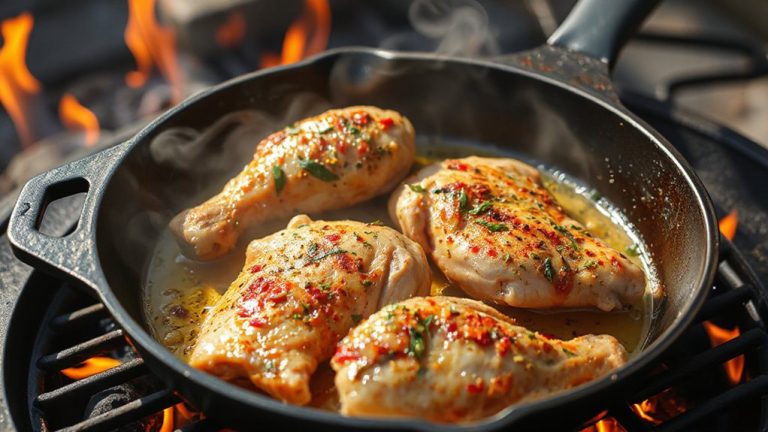
Grill bone-in chicken thighs over indirect heat at a steady 350°F for 30–40 minutes, turning once, until they hit 175°F internally for juicy, tender results. Boneless thighs cook faster-20 to 25 minutes-but don’t render fat as evenly. Pat skin dry and season ahead for crisp, flavorful crust. Use a two-zone fire to control flare-ups and guarantee even cooking. Let rest five minutes after grilling. There’s more to mastering smoke and sear than timing alone.
Notable Insights
- Use bone-in, skin-on thighs for juicier meat and better heat control over coals.
- Dry the skin and refrigerate uncovered to achieve crisp, crackling results on the grill.
- Preheat grill to 350°F using a two-zone fire to manage flare-ups and ensure even cooking.
- Cook bone-in thighs 30–40 minutes over indirect heat, turning once for balanced browning.
- Rest thighs 5 minutes after reaching 175°F internally for tender, juicy results.
Choose Bone-In or Boneless Chicken Thighs
While both bone-in and boneless chicken thighs work well on the grill, your choice will shape the final outcome regarding flavor, texture, and cooking control. Bone-in thighs retain more moisture during grilling, delivering juicier results and better heat distribution, which helps when managing flare-ups. They also offer richer flavor, especially when you account for how bones influence heat conduction. Boneless thighs cook faster and offer more surface area, making them ideal if you’re using bold marinade options that penetrate quickly. However, they’re more prone to drying out. Skin texture varies notably-the skin on bone-in thighs tends to crisp more evenly due to slower, steadier cooking. With boneless, you’ll need to monitor closely to avoid rubberiness or charring. Ultimately, your decision affects both presentation and mouthfeel, so match it to your grilling style and desired outcome.
Season for Crisp Skin and Deep Flavor
You’ve picked your chicken thighs-whether bone-in for that slow, juicy payoff or boneless for quicker searing-and now the real character of your grilled dish starts to take shape. Dry the surface well; moisture is the enemy of crackling skin. A generous rub of aromatic spices-paprika, garlic powder, cumin, maybe a touch of cayenne-builds depth, bonding best when applied at least 30 minutes ahead. Letting them rest in the fridge uncovered firms the skin, improving its ability to blister and crisp. The fat renders slowly over heat, basting from within while the exterior transforms into a flavorful, golden crust. For best results, use a two-zone fire to control charring. This balance delivers both bold flavor and pleasing texture-crackling skin and deeply seasoned meat. Proper seasoning isn’t just taste; it’s structural, enhancing both aroma and mouthfeel in a way no last-minute sprinkle can match.
Get the Grill to 350°F (Medium Heat)
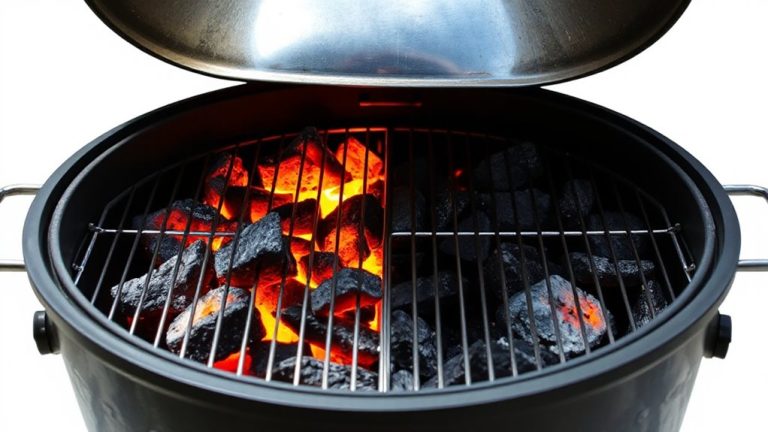
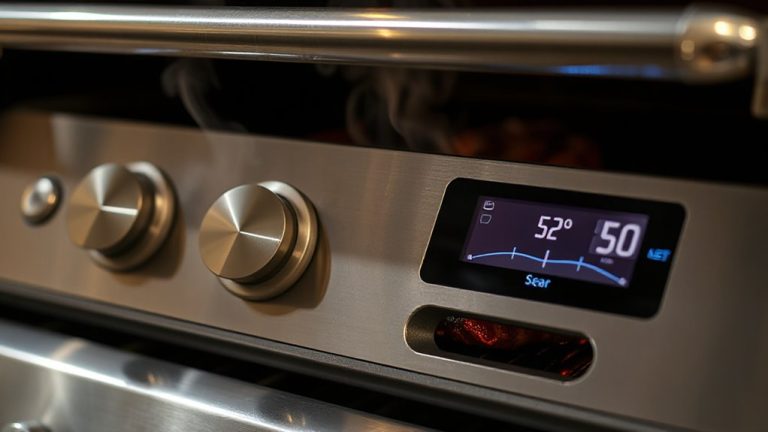
Since consistent temperature control is key to achieving well-cooked, juicy chicken thighs with crisp skin, aim to preheat your grill to 350°F-what’s generally considered medium heat on most grills. This temperature balances heat distribution and char development without scorching the exterior or undercooking the interior. You’ll get reliable results whether using charcoal, gas, or hybrid setups, as long as the cooking surface maintains even temperatures. Proper heat distribution guarantees each thigh cooks uniformly, especially important with bone-in cuts that need steady, indirect warmth. At 350°F, you’ll encourage controlled browning, letting the skin crisp while building flavor through gradual char development. Too hot, and you risk flare-ups or dried-out meat; too low, and the skin stays rubbery. Most grills hold this range well with the lid closed, creating an oven-like environment ideal for thorough yet flavorful cooking.
Grill Bone-In Chicken Thighs 30–40 Minutes
A single layer of bone-in chicken thighs laid across a preheated grill at 350°F typically needs 30 to 40 minutes to cook through, depending on size and heat consistency. You’ll want to use indirect grill placement, positioning the thighs away from the hottest coals to avoid charring while ensuring even cooking. This method allows.rendering fat to drip slowly, yielding juicier meat with crisp skin. Your choice of marinade options-whether acidic (like lemon-garlic), soy-based, or yogurt-heavy-affects both flavor and surface browning, so pick one that complements slow, steady heat. Turning thighs once halfway helps balance color and texture, but avoid constant flipping. Always verify doneness with a thermometer; internal temperature should reach 175°F for tender, fall-off-the-bone results. Consistent heat and proper placement are more impactful than complex prep-making this a reliable approach for flavorful, foolproof grilled chicken. For optimal results, consider using a charcoal grill with good airflow control.
Grill Boneless Chicken Thighs 20–25 Minutes
Most boneless chicken thighs take just 20 to 25 minutes to grill over medium heat, making them a quicker alternative to bone-in cuts without sacrificing flavor or moisture. You’ve got plenty of marinade options-think soy-ginger, lemon-herb, or spicy yogurt-each adding depth and helping tenderize the meat. These leaner cuts cook faster, so having reliable cooking tools like tongs, a meat thermometer, and a steady grill grate is essential. Position the thighs skin-side down first if they have skin, flipping only once halfway through. Avoid overcrowding the grill to guarantee even searing and consistent heat exposure. Unlike thicker bone-in thighs, boneless ones demand closer attention due to reduced thermal mass, but their shorter cook time makes them ideal for weeknight BBQs. Just remember to let them rest a few minutes after grilling for juicier results.
Check Temp: Aim for 175°F
You’ll want to grab your meat thermometer when grilling chicken thighs-don’t guess, check. Insert it into the thickest part, avoiding bone, and aim for 175°F. That temperature guarantees juicy, tender results without undercooking. At 175°F, the meat texture is firm yet yielding, with fibers that pull apart easily, signaling full doneness. You’ll also notice clear juice clarity when you pierce the thigh-no pink or red tint means safety and proper heat penetration. While the USDA recommends 165°F, pushing to 175°F accounts for carryover heat and renders excess fat, enhancing flavor and consistency. Relying solely on time or appearance is risky; color and firmness vary with heat intensity and cut thickness. The thermometer gives precision, and in live-fire cooking, precision prevents dryness or foodborne risk. It’s not just a tool-it’s your best defense for consistently great results. For accurate readings, choose a fast-reading digital thermometer with a high accuracy rating.
Rest 5 Minutes Before Serving
Once the chicken thighs hit 175°F and come off the grill, resist the urge to cut in right away-letting them rest for at least five minutes makes a noticeable difference in both texture and juiciness. During this brief pause, the internal heat redistributes evenly, helping retain moisture that would otherwise escape if sliced immediately. This short rest is key for achieving that ideal juicy texture, especially in dark meat like thighs, which benefit from relaxed muscle fibers. You’ll also notice better flavor retention, as the accumulated juices settle rather than spill onto your cutting board. Think of it as a finishing step-just as important as proper searing or temperature control. Skipping it risks drier, less satisfying results, even if grilling temps were perfect. Resting isn’t just tradition; it’s science. For best outcome every time, tent loosely with foil and wait. You’ll taste the difference.
On a final note
You’ve grilled chicken thighs perfectly when timing, heat, and temperature align. Bone-in thighs need 30–40 minutes over 350°F coals for juicy meat and crisp skin, while boneless cook faster-20 to 25 minutes. Always check for 175°F internal temp to guarantee safety and tenderness. Resting 5 minutes preserves juices. This method delivers reliable, flavorful results, making it a smart choice for both weeknight dinners and weekend BBQs. Grilling over coals deepens flavor without complexity.