Replacing Faulty Ignition Systems in Modern Push-Button Gas Grills
If your push-button ignition fails, it’s often due to a faulty spark module, grimy electrodes, or gas blockages. Start by checking for a consistent spark-no spark usually means a dead module or wiring issue. Choose a direct-fit replacement kit designed for your grill’s model to guarantee reliability. Upgrade to weather-resistant components for better durability. With proper installation and routine cleaning, you’ll restore quick, dependable starts every time-especially when you know the right maintenance moves to make.
Notable Insights
- A faulty spark module often causes ignition failure in modern push-button gas grills, especially if no spark is seen or heard.
- Test the ignition system by pressing the button and checking for a consistent, bright spark at the electrode tip.
- Choose a replacement ignition kit compatible with your grill’s make, model, and ignition type for optimal performance.
- Replace the ignition system by disconnecting gas, removing burners, and installing the new module with secure, heat-safe wiring.
- Prevent future issues by cleaning electrodes regularly, checking gas ports, and ensuring wiring and connections remain dry and tight.
Diagnose Why Your Grill Won’t Ignite
Why won’t your grill fire up when you need it most? Common ignition failure causes include blocked gas flow, worn electrodes, or a faulty spark module. You’ve probably turned the knob, pressed the button, and heard nothing-no click, no spark. That silence often points straight to the spark module, which sends the electrical jolt needed to ignite the gas. Over time, exposure to heat and moisture degrades its performance. While some issues stem from simple dirt or misalignment, a defective module won’t deliver consistent sparks, no matter how clean the burner is. It’s one of the most critical-and vulnerable-components in modern push-button ignition systems. Before replacing the whole system, you must rule out simpler faults, but when the spark module fails repeatedly, replacement becomes necessary. Reliability in outdoor cooking hinges on these small parts working seamlessly, so diagnosing accurately saves time, fuel, and frustration down the line.
Test Your Grill’s Ignition System
How do you know whether the problem lies with the spark module or another part of the ignition system? Start by pressing the ignition button and watching the spark electrode closely. You should see a consistent, bright spark snapping across the gap when the button is pressed. If there’s no spark at all, the issue could be a dead battery, faulty wiring, or a failed spark module. If you see occasional weak sparks, the spark electrode may be dirty, cracked, or misaligned. A solid ignition system delivers reliable sparks with each press-anything less means performance suffers. Keep in mind that even high-end grills can develop these faults over time. Testing the system this way gives you clarity before moving forward. This step is essential because misdiagnosing the spark electrode or button function leads to unnecessary replacements and frustration later.
Pick the Right Replacement Ignition Kit
A reliable replacement ignition kit can make the difference between a hassle-free grilling session and a frustrating night struggling to light the burner. You’ll want to choose wisely, because compatibility issues are common across brands and models. Always check your grill’s make, model, and ignition type before purchasing-universal kits sometimes work, but a direct-fit option guarantees better performance. Look for systems with weather-resistant wiring and high-output spark modules, as these handle outdoor conditions better. You’ll also need the right installation tools: needle-nose pliers, a screwdriver set, and possibly a grill brush for cleanup. Avoid kits with overly complex wiring if your model doesn’t support them. A quality kit should last years with minimal maintenance, delivering consistent sparks with each press. Don’t assume price equals reliability-read user reviews and verify specifications carefully before committing.
Replace Your Grill’s Ignition System
You’ve picked out a compatible ignition kit that matches your grill’s make and model, so now it’s time to get hands-on and replace the old system. Start by disconnecting the gas and removing the cooking grates and burners to access the internal components. Carefully detach the old ignition wiring, noting how it connects to the control panel and spark electrode-these connections must be accurate for proper function. Install the new module according to the manufacturer’s layout, ensuring all ignition wiring is secure and away from heat sources. Reattach the spark electrode, making sure it’s properly aligned above the burner and has a clean tip for peak sparking. Misalignment or damaged wiring can lead to weak sparks or total ignition failure. A well-installed system performs reliably, contributing to consistent start-ups and better cooking control. Quality replacement parts enhance longevity, reducing long-term maintenance.
Stop Ignition Problems Before They Start
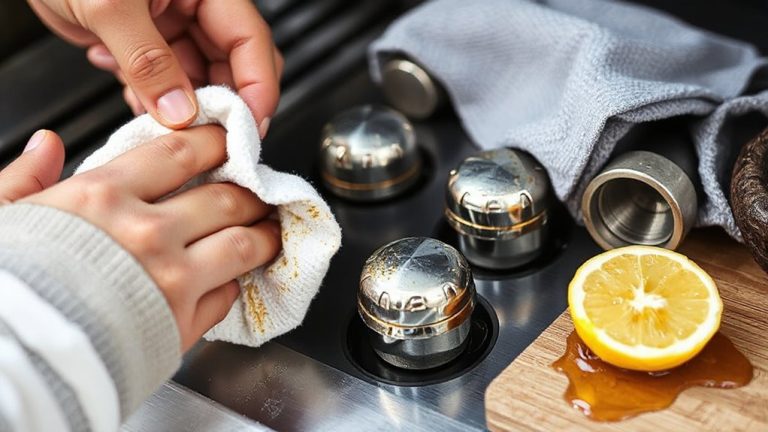
Regularly maintaining your grill’s ignition system can often prevent frustrating start-up issues before they occur. You’ll want to perform routine preventive maintenance, like cleaning electrode tips and checking for blockages in the gas ports, every few weeks during peak grilling season. Moisture, grease buildup, and debris are common culprits behind misfires. Wiping down connections and guaranteeing wires are securely fastened helps maintain a reliable spark. You should also conduct periodic safety checks-inspect the battery compartment for corrosion, test ground connections, and verify the electrode gap is set per your model’s specs. These small efforts greatly extend ignition lifespan and guarantee consistent performance. Though push-button ignitions are generally durable, skipping maintenance increases failure risk. A minute of care now saves time later and keeps your outdoor cooking experience efficient and safe.
On a final note
You’ve tested, replaced, and upgraded-now your push-button grill fires up reliably. Modern ignition systems offer convenience, but they demand proper maintenance and correct replacement parts to perform. Choosing the right kit matters: piezo starters are durable, while battery-powered systems provide consistent sparks. With the right care, your grill’s ignition should last for seasons, ensuring fewer frustrations and better cooking results. Prevention beats repair every time.