Creating a Thermal Gradient From 500°F to 225°F Across a Single Grill Surface
You can create a 500°F to 225°F thermal gradient by setting up distinct direct and indirect zones-crank one side for searing, leave the other off for low-and-slow cooking. Whether gas or charcoal, precise burner control or strategic coal placement is key. Adjust vents to manage airflow and maintain stability, using the lid to trap heat. Proper fuel arrangement and insulation keep temperatures consistent, turning your grill into a versatile outdoor oven. There’s more to mastering this balance than just heat placement.
Notable Insights
- Set up a two-zone fire by concentrating coals on one side for 500°F direct heat and leaving the other side sparse for 225°F indirect cooking.
- On gas grills, ignite only a portion of burners to create a high-heat zone while keeping adjacent burners off for low-temperature control.
- Position food accordingly: sear steaks over direct heat, then move to the cooler side to finish at 225°F.
- Regulate airflow using vents-restrict bottom and top vents on the cool side, increase them on the hot side to stabilize the gradient.
- Maintain consistent zones by adding coals gradually and using heat-retaining materials like ceramic briquettes to minimize temperature fluctuations.
Set up Grill Zones From 500°F to 225°F
While you can cook plenty of foods with a single heat setting, setting up distinct grill zones-from a blazing 500°F sear zone down to a gentle 225°F low-and-slow zone-gives you far more control and flexibility, especially when handling multiple ingredients or different cooking styles at once. You’ll need precise burner calibration if you’re using gas, ensuring each knob delivers consistent, measurable heat output across the grates. For charcoal grills, strategic charcoal stacking is key: pile coals densely on one side for high heat, leave the other bare for indirect cooking. This thermal separation lets you sear steaks quickly while slowly smoking ribs-no flavor compromise. Well-executed zones improve temperature accuracy and response, reducing flare-ups and hot spots. Done right, this setup transforms your grill into a versatile outdoor kitchen, balancing performance with practicality.
Use Direct and Indirect Heat to Control Cooking
You’ll get the most control over your cook by actively using both direct and indirect heat zones you’ve set up on the grill. When you sear steaks over the 500°F zone, you achieve excellent sear retention, locking in juices and building a flavorful crust quickly. Then, moving them to the 225°F side allows gentle, even cooking without overcharing. For longer cooks like ribs or shoulders, indirect heat enables steady temperature management and consistent smoke infusion, enhancing flavor depth over time. Direct heat’s intensity is ideal for charring vegetables or finishing burgers, while the cooler side prevents flare-ups and dryness. You’re not just grilling-you’re directing heat with purpose. This dual approach balances speed and control, turning a simple grill session into a refined cooking method. With practice, you’ll manipulate these zones like a pro, maximizing both flavor and texture across every dish.
Place Foods Where Heat Matches Their Needs
Since different foods respond uniquely to heat intensity, positioning them in the right zone guarantees best results-think of the grill as a stovetop with multiple burners, each suited to a specific task. You’ll need smart food placement to take full advantage of your thermal gradient. Sear steaks over the 500°F direct zone for a crisp crust, then move them to the 225°F side to finish gently. Delicate fish or vegetables benefit from lower temps to avoid charring. Heat matching isn’t just convenient-it prevents overcooked edges and raw centers. Thick chicken pieces do well in medium zones, while sausages thrive with slower indirect warmth. Proper heat matching improves texture, moisture retention, and flavor development. You’re not just grilling; you’re managing energy transfer. Effective food placement turns a simple grill session into precise outdoor cooking, letting you handle multiple items at once without compromise.
Tune Vents and Fuel for Steady Zones
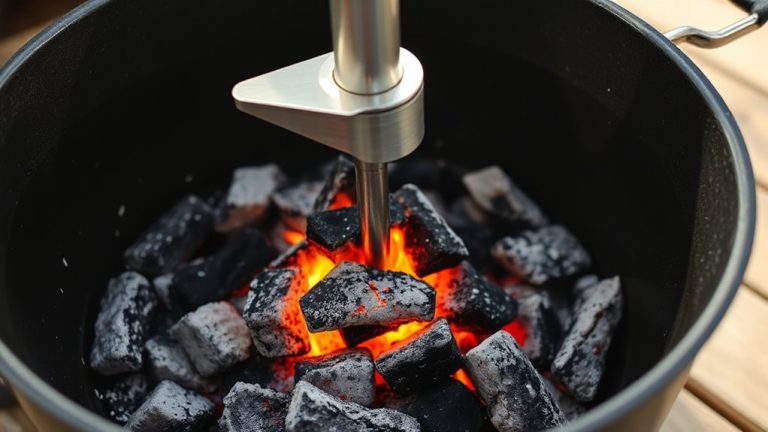
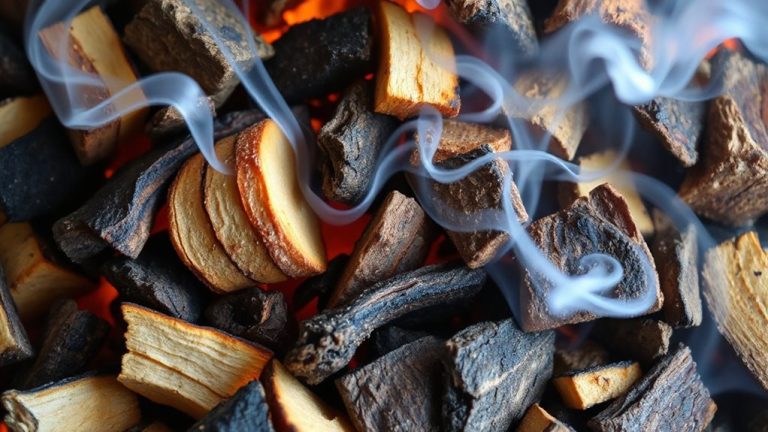
Getting the right heat where it’s needed starts with controlling airflow and fuel-two factors that shape how steadily your grill maintains different temperature zones. You’ve got to fine-tune your vents to manage airflow balance, restricting oxygen on the cooler side while allowing more on the hot end. This isn’t just about opening or closing dampers; it’s about precision. Adjusting the bottom vents controls combustion rate, while the top vent influences smoke flow and heat retention. For consistent zones, your fuel distribution matters just as much. Pile more coals on one side for high heat, leave the other sparse for low-and-slow cooking. Lump charcoal responds faster, but briquettes offer longer stability. Proper setup means your grill doesn’t spike or crash. With smart airflow balance and thoughtful fuel distribution, you create a reliable foundation-critical for serious outdoor cooking. A well-chosen charcoal grill can make maintaining these zones significantly easier, especially models designed for excellent airflow control and heat retention.
Keep Grill Zones Stable All Day
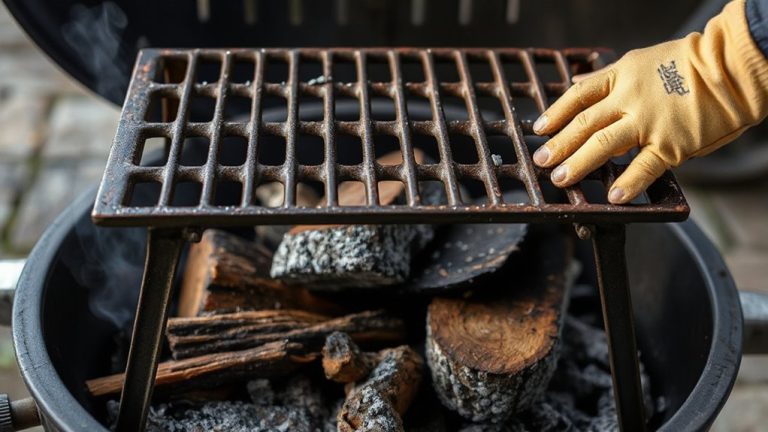
While mastering the initial setup is essential, maintaining consistent grill zones throughout an extended cook demands ongoing attention and small, strategic adjustments. You’ll need to monitor airflow and fuel levels closely, especially in long sessions. Proper heat retention starts with a tight lid seal and well-insulated materials-if heat escapes, your gradient collapses. Adjust dampers subtly; wide swings cause spikes or drops that disrupt cooking. Adding coals gradually, rather than in bulk, preserves fuel efficiency and sustains even burn rates. Positioning dense ceramic briquettes or lava rocks under the hot zone can stabilize temperatures by absorbing and radiating heat evenly. A reliable charcoal grill smoker ensures even heat distribution and durable performance for all-day cooking sessions. These practices reduce the need for constant intervention. You’re not just burning fuel-you’re managing thermal inertia. With attention to detail, your grill maintains distinct zones for searing and slow cooking all day. Stability hinges on consistency, not just power.
Fix Common Grill Temperature Problems
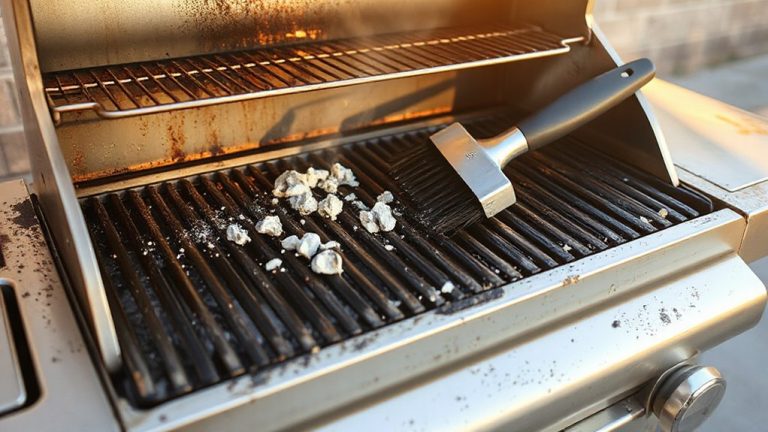
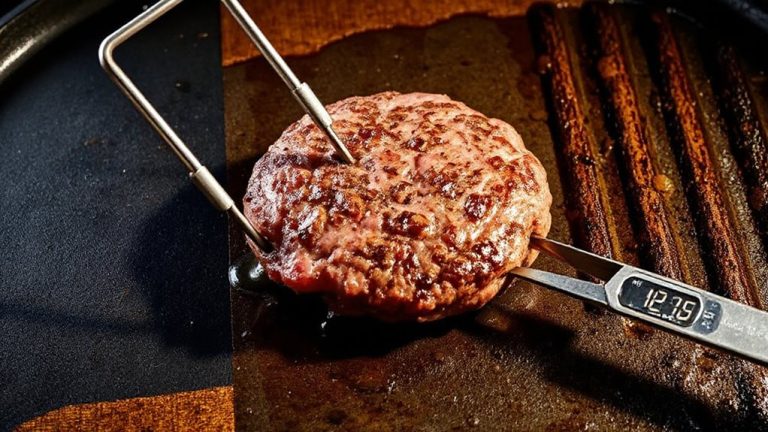
Why does your grill’s temperature swing like a pendulum, no matter how carefully you set it up? Poor grill calibration is often the culprit-dials may read hot while the cooking surface tells a different story. Without accurate temperature mapping, you’re guessing, not grilling. Start by testing your grill with an independent digital thermometer at multiple points; you’ll likely uncover hot spots or dead zones skewing results. Most manufacturers’ settings drift over time, so recalibrating the burners and sensors every few months keeps things reliable. Pair that with a detailed temperature map-mark highs and lows across the grates-and you’ll troubleshoot inconsistencies faster. These steps aren’t flashy, but they’re essential for maintaining the precise thermal gradient you’ve worked so hard to create. Grill calibration and temperature mapping turn erratic heat into repeatable performance.
Get More Out of Your Grill With Heat Zones
A well-designed grill gives you more than just flame and grates-it delivers control, and that starts with establishing distinct heat zones. You’re not just cooking; you’re managing temperature gradients to enhance flavor retention and achieve precise moisture control. High-heat zones sear steaks quickly, locking in juices, while cooler areas allow indirect cooking for larger cuts like ribs or whole chickens. This dual approach prevents burning and promotes even doneness. Most gas grills offer this naturally with multiple burners, but charcoal users can build two-tiered coals for similar results. Maintaining these zones requires attention-adjust vents, monitor probe thermometers, and avoid overcrowding. When executed well, heat zoning transforms your grill into a versatile outdoor oven, capable of everything from delicate fish to thick brisket. It’s not just convenience-it’s culinary strategy.
On a final note
You’ve mastered heat zoning when your grill holds 500°F over direct flame and drops smoothly to 225°F in the indirect zone. This range lets you sear steaks fast and smoke ribs low, all on one grate. Proper vent control and fuel management keep temps stable for hours. Once dialed in, your grill becomes a precision tool-versatile, efficient, and ideal for serious outdoor cooking.