American White Oak Logs vs Imported: Best Wood for Texas Brisket
You should choose American white oak logs because they burn hotter, longer, and more cleanly than most imported alternatives. Their dense grain guarantees steady heat-perfect for 12-hour brisket smokes-while delivering the earthy, slightly sweet flavor Texas pitmasters rely on. Imported woods often carry excess moisture, risk chemical treatments, or produce inconsistent smoke that ruins authenticity. With properly seasoned white oak, you get predictable performance and food-safe results. Discover how sourcing and burn traits make all the difference.
Notable Insights
- American White Oak burns hotter and longer, ensuring stable heat for 12+ hour brisket smokes.
- It imparts a traditional, balanced smoky flavor that enhances beef without overpowering it.
- Imported woods often have inconsistent moisture and density, leading to unpredictable combustion.
- Domestic White Oak is typically untreated, food-safe, and free from harmful chemical residues.
- Properly seasoned American logs produce clean smoke, minimizing creosote and bitter flavors.
Why White Oak Is the Gold Standard for Texas Brisket
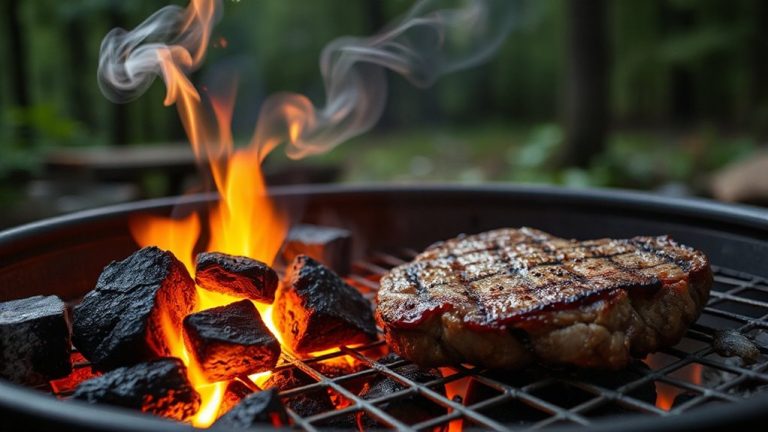
While other woods might come close, white oak stands apart as the go-to hardwood for Texas-style brisket, and once you’ve cooked with it, you’ll understand why. You get a clean, steady burn that maintains consistent heat-critical for those long, slow smokes. White oak delivers a smoky aroma that’s robust without overpowering the meat, letting the natural beef flavor shine. Unlike softer woods, it produces minimal ash and fewer sparks, making it safer and easier to manage in open pits. Pitmasters rely on it because it strikes the ideal balance between density and burn rate. The authentic taste it imparts-earthy, slightly sweet, with a hint of spice-is the benchmark for competition-grade brisket. When you use properly seasoned American white oak logs, you’re not just cooking; you’re honoring tradition with every batch. It’s not just preference-it’s proven performance. For those also smoking prime rib, selecting the best wood for smoking prime rib ensures similar depth and flavor precision.
Where Imported Smoking Woods Go Wrong: Flavor and Consistency
What happens when you reach for imported smoking wood, hoping for that signature Texas brisket flavor? You often get inconsistency and off-notes that muddy the meat’s taste. Many imported woods rely on exotic blending, mixing species not traditionally used in Central Texas pits, which disrupts the clean smoke profile you need. These blends cater to regional preferences outside the U.S., where sweeter or stronger flavors are favored, but they don’t align with authentic brisket traditions. American white oak delivers a steady, neutral smoke that enhances-rather than overpowers-the beef. In contrast, imported options vary in density and moisture, leading to uneven burn rates and unpredictable results. When flavor consistency is key, especially in competitive or commercial barbecue, relying on foreign wood introduces unnecessary variables. For pitmasters who value control and authenticity, domestic white oak isn’t just tradition-it’s the pragmatic choice for reliable, high-quality smoke every time. Choosing the right type of wood matters, and understanding the best wood chips for smoking can make all the difference in achieving optimal results.
How White Oak Burns Cleaner and More Consistently Than Imports
Since you’re after a smoke that performs as reliably as your smoker, choosing wood that burns cleanly and evenly isn’t optional-it’s essential. American white oak delivers a clean burn few imports can match, producing minimal ash and consistent smoke. You’ll notice fewer flare-ups and less soot, meaning your brisket absorbs flavor without bitterness. Its dense grain structure supports a steady heat, maintaining temperature without constant monitoring. Unlike some imported hardwoods that burn hot and fast, white oak sustains a predictable rhythm, ideal for long cooks. This reliability translates directly to better control over your pit, reducing guesswork. You’re not just fueling a fire-you’re managing combustion efficiency. When consistency matters most, white oak’s performance stands out. It’s not just tradition; it’s science. With a clean burn and steady heat, you get the precision pitmasters trust. For authentic Texas brisket, nothing else runs this clean, this consistently. Best Smoking Wood Picks and Buying Guide can help you compare white oak with other top-performing woods for long, steady burns.
The Moisture Problem in Imported Logs (And Why It Matters)
If you’ve ever struggled with a smoldering fire that just won’t produce clean smoke, the culprit might not be your technique-it could be the moisture hidden in imported logs. High moisture content in green or poorly seasoned wood leads to excessive steam, inconsistent burns, and bitter, acrid smoke that ruins brisket flavor. Imported logs often arrive without proper seasoning time, harvested and shipped quickly to meet demand, leaving internal moisture trapped. American white oak, when sourced domestically, is typically allowed adequate seasoning-six months to a year-ensuring a steady, hot burn. You’ll notice less creosote buildup and cleaner combustion, critical for long smokes. Imported alternatives may seem convenient, but their unpredictable moisture levels make temperature control harder and flavor less reliable. For pitmasters who value consistency and taste, skipping the gamble with unseasoned imports isn’t just smart-it’s essential.
Toxic Surprises: Chemical Treatments in Non-Native Smoking Woods
Could you really be poisoning your brisket without even knowing it? When you choose non-native smoking woods, you risk introducing harmful chemical residues into your cook. Many imported logs are treated with pesticides, fungicides, or preservatives to survive transit, leaving behind traces that linger even after curing. These substances can create dangerous off gassing risks when burned, releasing toxins that taint your meat and compromise safety. American white oak isn’t just traditional-it’s predictably untreated. You’re far less likely to encounter surprise additives that alter flavor or endanger health. Foreign hardwoods may seem economical, but undisclosed treatments make them a gamble. For consistent, clean smoke, domestic white oak offers peace of mind. You control the fire, so why leave chemical exposure to chance? Smart pitmasters know that avoiding hidden toxins starts with trusting the wood’s origin. Your brisket deserves that level of care.
How Buying Local White Oak Ensures Quality and Sustainability
Sourcing your American white oak locally means you’re getting wood that’s been properly seasoned and stored under conditions matching your own climate, so you’re not stuck fighting excess moisture or mold during a critical cook. The consistent burn and steady smoke output make it ideal for long brisket sessions, delivering clean, sweet flavor without harshness. By choosing regional suppliers, you support the local economy and promote stewardship of native forests. It’s a sustainable cycle-small-scale harvesters often use responsible practices that preserve tree populations and soil health. Plus, buying nearby slashes transport distance, greatly reducing your carbon footprint. Imported woods might seem convenient, but they come with hidden environmental costs and quality risks. When you go local, you know exactly where your wood comes from and how it was handled. That transparency guarantees reliability, performance, and a smaller ecological impact-all non-negotiables for serious Texas BBQ.
How to Identify Real White Oak and Avoid Mislabelled Imports
You’ve made the smart choice going local for your American white oak, and that decision pays off even more when you can trust exactly what you’re loading into your smoker. Real white oak has a straight, tight wood grain with minimal odor when split, unlike imported substitutes that often smell sour or chemical. Check the bark texture-authentic American white oak displays a light gray, scaly surface with shallow fissures, while imposters may show darker, smoother bark or deep ridges uncommon in native stands. Imported logs, sometimes mislabeled as white oak, actually come from lesser-known species with inconsistent combustion and off-flavors. These don’t char evenly and can ruin your brisket’s profile. By verifying wood grain and bark texture, you guarantee clean smoke and steady heat-the hallmarks of Texas tradition. Know your supplier, inspect each log, and never assume the label tells the truth. Your brisket deserves better.
On a final note
You’ll get the most authentic Texas brisket by sticking with American white oak. It burns cleanly, offers consistent heat, and imparts a balanced, smoky flavor without overpowering the meat. Imported woods often carry excess moisture, inconsistent density, or chemical treatments that compromise taste and safety. Choosing local white oak supports sustainability and guarantees quality you can trust, from seasoning to smoke output.