Stacking and Drying Black Locust Logs for Long-Burning Fires at Fall Cookouts
You’ll get hotter, longer fires for your fall cookouts when you split black locust into 3–4 inch pieces and stack them bark-down with cut ends facing out. This dense wood seasons in 6–12 months, burning hotter and cleaner than oak if you allow proper airflow and cover just the top-never seal the sides. Look for end cracks and a silvery hue to confirm dryness, and you’ll see how well it maintains steady heat. There’s more to mastering your setup than just stacking it right.
Notable Insights
- Split black locust logs into 3–4 inch pieces to speed up drying and improve burn efficiency.
- Stack logs bark-side down with cut ends facing outward to enhance moisture wicking and airflow.
- Keep stacks under 4 feet high and use staggered gaps to prevent compression and promote drying.
- Cover only the top center of the stack with a tarp, leaving edges open for air circulation.
- Season black locust for 6–12 months until moisture drops below 20% for hot, long-lasting fires.
Why Black Locust Burns Better for Fall Fires
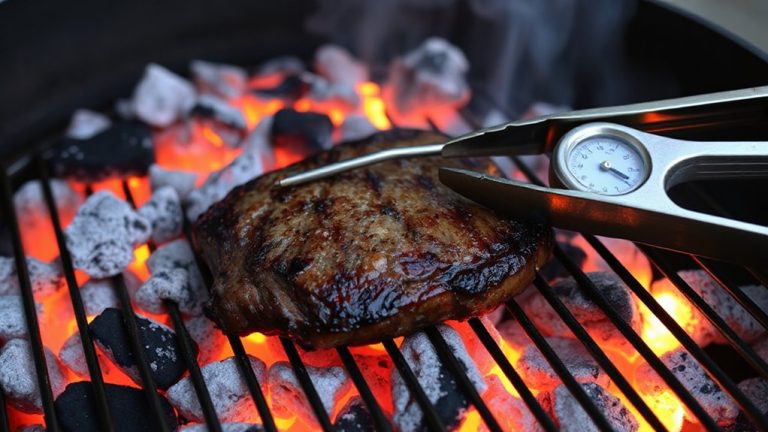
A well-stacked cord of black locust burns hotter and longer than most hardwoods, making it a top choice for fall fires when consistent heat matters. You’ll notice its high heat density right away-few woods match its ability to sustain strong, even temperatures over hours. That’s why, when you’re managing a pit or grilling at a fall cookout, black locust keeps your cooking surface stable without constant log rotation. Its flame longevity outperforms popular alternatives like oak or maple, delivering steady, radiant heat with minimal flare-ups. Seasoned properly, it ignites cleanly and produces less smoke, so your food absorbs flavor, not soot. Compared to softer hardwoods, it resists crumbling under prolonged burn, maintaining structure in the firebox. For outdoor cooking where predictability is key, black locust’s performance metrics stand out-superior coaling, efficient combustion, and reliable output. Simply put, when fall nights turn sharp and your grill demands consistency, this wood won’t let you down.
How to Split Black Locust for Faster Drying
Splitting black locust properly speeds up drying considerably, and doing it right means you’ll have dense, seasoned wood ready for fall fires in less time. You should always split with the grain orientation, not against it-this reduces effort and minimizes irregular fractures. Black locust’s interlocking grain can be stubborn, so aim for wedges that follow the natural fiber direction. Check the end grain for moisture rings; tight, close rings mean slower drying and higher initial water content. Splitting those logs smaller increases surface area, accelerating moisture loss. Thinner pieces, around 3–4 inches in diameter, dry twice as fast as larger rounds. You’ll notice seasoned black locust develops a silvery-gray hue and cracks at the ends-telltales it’s ready. Proper splitting doesn’t just save time-it guarantees consistent burn performance, essential when you’re counting on steady heat for cooking.
Stack Black Locust Logs for Maximum Airflow
Since airflow directly impacts drying time and burn quality, how you stack black locust logs makes a meaningful difference-especially when you’re prepping for a long burn or precise outdoor cooking. Proper log orientation and stacking height promote consistent drying and reduce mold risk. Align logs with bark down and cut ends facing outward to wick moisture efficiently. Keep stacking height under 4 feet to prevent compression and poor air exchange.
| Factor | Benefit |
|---|---|
| Horizontal logs | Maximize surface exposure |
| Elevated base | Encourage underflow ventilation |
| Staggered gaps | Improve lateral air movement |
| Alternating rows | Enhance structural stability and flow |
You’ll notice better ignition and steady heat output when airflow is optimized-key for maintaining cooking temps. A well-stacked pile doesn’t just look tidy; it performs.
Cover Firewood to Block Rain, Not Air
You’ve stacked your black locust logs with care-bark down, ends exposed, and airflow moving freely through staggered gaps-but all that effort can unravel if rain finds its way into the pile. To protect your wood without trapping moisture, use a tarp as a moisture barrier only over the top center, never fully enclosing the stack. Rain and snow will slide off the tarp, but critical airflow still enters from the sides. Lift the tarp edges at least 12 inches on all sides to prevent humidity buildup and allow air to circulate through the logs. A fully covered pile risks mold and slows seasoning, even with dense hardwood like black locust. Think of the tarp as a roof, not a wrap-its job is to block precipitation while letting the wood breathe. Properly elevated and shielded, your firewood stays dry and ready for clean, hot burns at your next cookout. Choosing the right best fire pit wood ensures efficient burning and minimal smoke during fall gatherings.
How Long to Season Black Locust Wood
A good rule of thumb is that black locust wood needs at least six to twelve months to season properly, depending on how it’s split and stored. Due to its high wood density, it holds moisture longer than softer woods, so splitting logs into smaller pieces speeds up drying. You’ll want the moisture content below 20% for clean, hot burns-ideal for fall cookouts where steady heat matters.
| Factor | Impact on Seasoning |
|---|---|
| Split size | Smaller pieces dry faster |
| Storage | Elevated, uncovered stack allows airflow |
| Climate | Dry, sunny areas reduce time |
| Wood density | Dense wood slows moisture loss |
| Moisture content | Must drop below 20% for efficient burn |
Properly seasoned black locust burns long and hot with minimal smoke, making it a top choice for flavorful, consistent outdoor cooking.
On a final note
You’ll find black locust delivers exceptional heat and long, steady burns, making it ideal for fall cookouts. When properly split, stacked for airflow, and covered to shed rain, it seasons well in 6–12 months. Its high density guarantees minimal smoke and consistent performance, outperforming softer hardwoods. Though tough to split, the effort pays off in efficiency and flame control. For reliable outdoor cooking fires, few woods match its durability and fuel economy-black locust is worth the preparation.