Leek Ash Garnish: How to Make & Use It for BBQ Plating
You char thin leek slices at 190°C until crisp, then grind them into a fine, smoky powder that elevates grilled dishes with depth and contrast. This ash enhances BBQ seafood and vegetables without overpowering them, adding a gourmet touch through subtle char and visual drama. Pair it with citrus or umami elements to balance intensity. Store it airtight-it holds flavor for months. Apply sparingly with precision tools for elegant impact. There’s more to mastering its use than just sprinkling it on.
Notable Insights
- Leek ash adds smoky depth and visual elegance to grilled dishes, ideal for fine-dining BBQ presentations.
- Apply ¼ to ½ teaspoon per plate for balanced flavor and dramatic, ash-like contrast on dark seared foods.
- Pairs exceptionally with grilled seafood, charred vegetables, and egg-based sides for layered umami complexity.
- Enhances dishes when combined with citrus or vinaigrettes, cutting richness and lifting smoky notes.
- Store in an airtight container to preserve its fine texture and roasted-allium aroma for consistent plating.
How to Make Leek Ash in 5 Steps
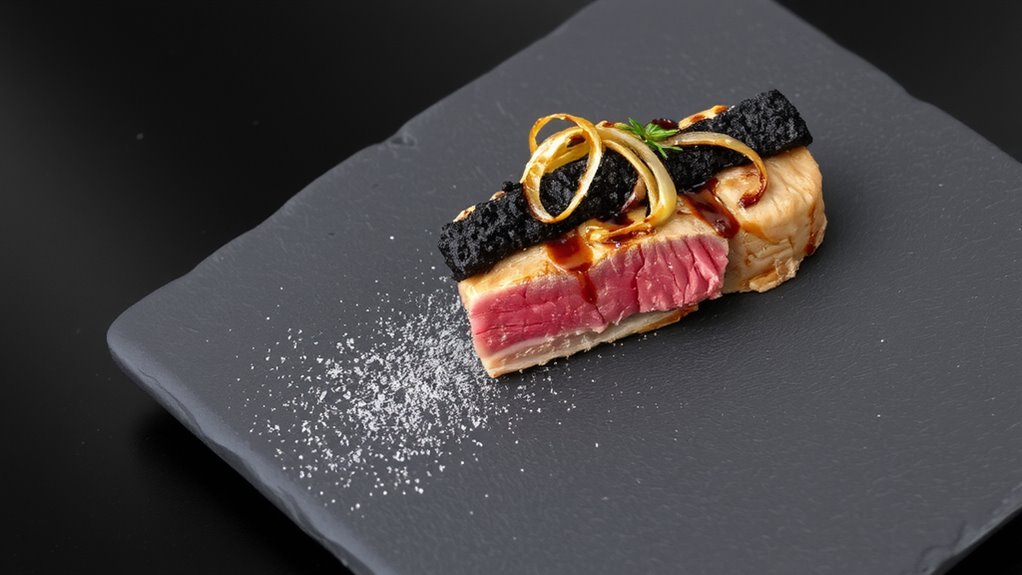
Charred depth, smoky aroma, and visual flair-leek ash brings all three to your barbecue plate with surprising ease. First, preheat your oven to 190°C (374°F) using convection setting for consistent heat distribution. Thinly slice two leeks and arrange them on a sheet tray, turning occasionally to guarantee even charring. Bake for about 45 minutes until the pieces are fully blackened and crisp-these charred leeks are the foundation of your ash. Once cooled, grind them into a fine powder using a mini chopper, coffee grinder, or mortar and pestle for ideal texture. Then, sieve the powder through a colander to eliminate coarse bits, resulting in a refined leek ash. This method delivers a potent, smoky garnish that enhances presentation without overpowering flavor-ideal for elevating simple barbecue dishes with subtle complexity and a touch of culinary finesse.
Use Leek Ash to Elevate Grilled Vegetables and Seafood
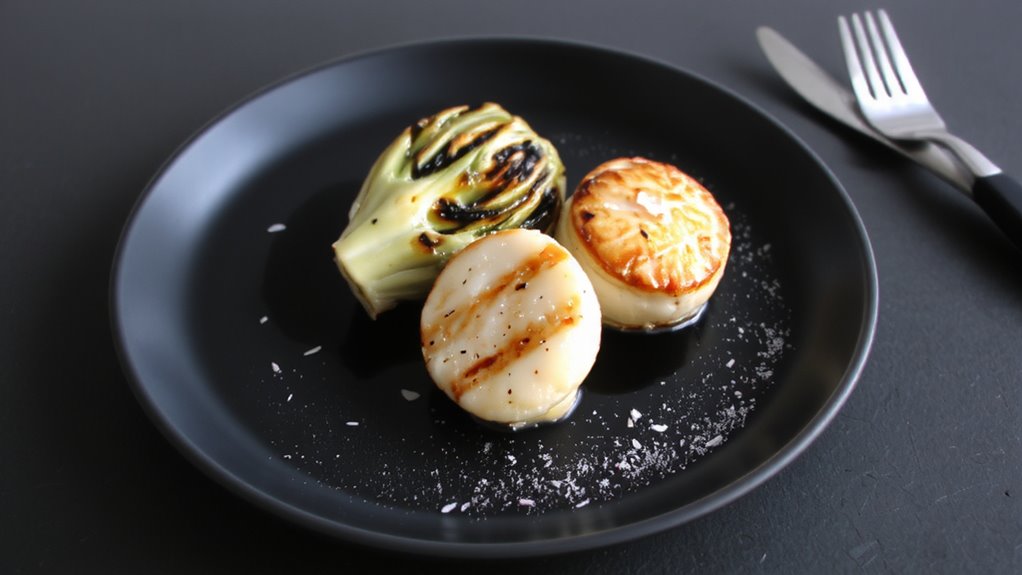
What if the secret to elevating your grilled vegetables and seafood wasn’t hidden in a fancy sauce or rare spice, but in something often tossed in the compost-leek ends? When charred and ground into ash, they deliver a smoky essence that transforms simple dishes. You’ll notice a distinct flavor enhancement-think subtle charred onion depth-that complements ember-roasted vegetables and shellfish without overpowering. Chefs like Alex Raij use leek ash blended with nut flours and salts to finish grilled leeks, while StarChefs showcases its use on charcoal-roasted seafood for visual drama and a lingering aftertaste. Sprinkled just before serving, the ash adds complexity and a touch of fine-dining artistry. Plus, it supports waste reduction by turning scraps into a gourmet garnish. It’s practical, sustainable, and effective-perfect for modern BBQ presentations that value both taste and intention.
Pair With Citrus, Eggs, and Umami for Depth
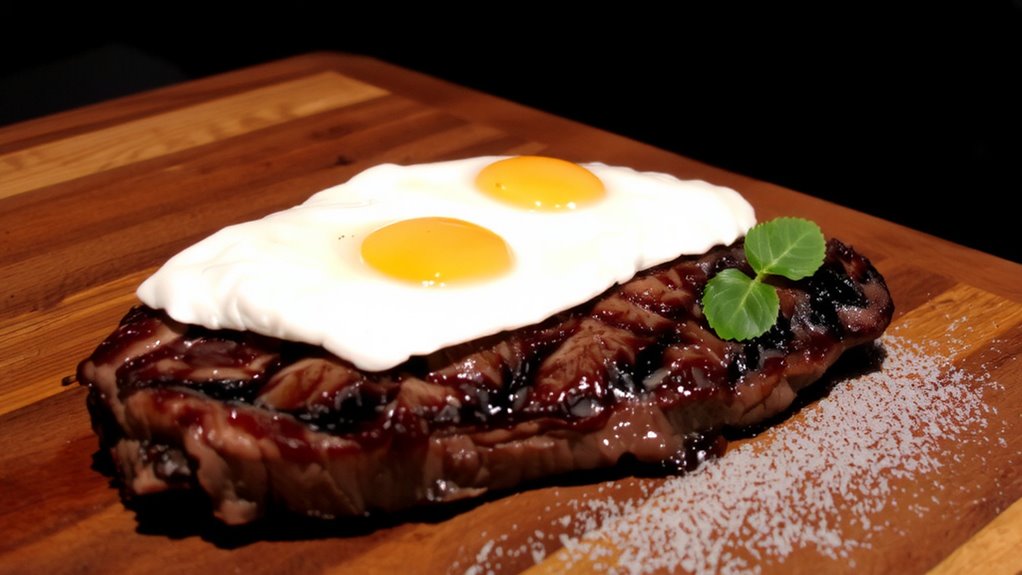
While you’re already harnessing the smoky depth of leek ash on the grill, you’ll find it truly shines when paired with bright citrus, rich eggs, and umami-heavy ingredients-combinations that elevate its earthy complexity into something layered and refined. The citrus brightness cuts through the ash’s intensity, especially when you drizzle burnt citrus juice into dressings or marinate vegetables and seafood before charring. You’ll notice a striking egg harmony when sprinkling the ash over soft-boiled eggs-their creamy yolk becomes even more luxurious against the savory, almost cocoa-like notes of the garnish. For umami balance, mix leek ash into anchovy-hazelnut vinaigrettes; the deep savoriness amplifies charred leeks or grilled vegetables. These pairings don’t just add flavor-they create contrast, depth, and visual drama, turning simple BBQ elements into sophisticated, restaurant-quality plates with minimal effort and maximum impact.
Store Leek Ash for Long-Term Use
You can store leek ash indefinitely without losing its distinctive smoky character, as long as you keep it in an airtight container away from moisture and direct light-both of which can dull its vibrant gray hue and compromise its potent, roasted-allium aroma. Proper airtight storage is essential for moisture prevention and maximizing shelf life. Once ground and sieved for a fine, consistent texture, leek ash retains its flavor intensity and culinary versatility for months. This makes batch preparation-from sources like the outer layers of 12 Holland leeks-not only practical but efficient for repeated fine-dining use. Whether seasoning steak or enriching crème fraîche, the ash performs reliably over time. With minimal degradation under correct conditions, it proves a durable pantry asset in outdoor cooking, where smoky depth is prized. Unlike fresh garnishes, leek ash doesn’t wilt or fade-it stays potent, ready to elevate BBQ presentations with precision whenever needed.
Apply With Precision for Fine-Dining Impact
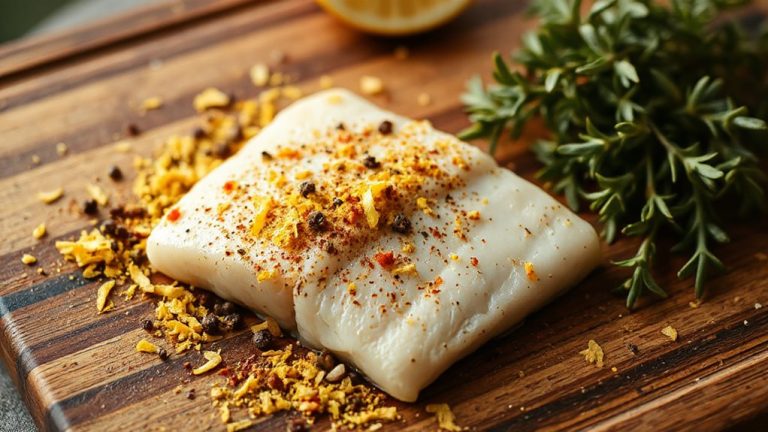
A finely ground leek ash, achieved by processing the charred ends of leeks at 190°C until they’re as fine as cocoa powder, becomes a powerful tool in your outdoor cooking repertoire when applied with care. You’ll want to use small spoons or spice tweezers for precision, dusting dishes like roasted vegetables or emberred leeks just before serving. This method guarantees texture control, preventing clumping while enhancing aroma. Only ¼ to ½ teaspoon per plate delivers deep smokiness without sacrificing flavor balance. At Saint Julivert Fisherie, chef Alex Raij combines leek ash with hazelnut flour and black Indian salt, layering complexity. The result? Striking visual contrast that signals craftsmanship. Applied this way, leek ash isn’t just seasoning-it’s a finishing touch that elevates BBQ into fine dining, turning rustic elements into refined statements with intention and restraint.
On a final note
You’ll find leek ash elevates your outdoor cooking with its subtle umami depth and striking visual contrast. When applied precisely, it enhances grilled seafood and vegetables without overpowering. Paired with citrus or egg-based elements, it adds complexity. Stored in an airtight container, it remains stable for weeks. Though simple to make, it delivers a refined, restaurant-quality finish-proof that thoughtful garnishes can transform barbecue from rustic to exceptional with minimal effort.