How to Use Vinegar and Baking Soda to Clean Cooking Surfaces in the Wild
You can clean cooking surfaces in the wild by combining vinegar and baking soda to lift char and grease through a fizzing reaction that loosens residue from cast iron, grills, or Dutch ovens. Simmer the mix in your cookware-don’t boil-to preserve seasoning, then scrub tough spots with a baking soda paste. Vinegar sanitizes naturally, while both break down gunk without soap. Outdoors, the reaction works safely, fumes dissipate, and disposal is eco-friendly when done responsibly. There’s more to optimizing this method under rugged conditions.
Notable Insights
- Combine vinegar and baking soda in hot water to create a fizzing solution that loosens char and grease on cookware.
- Simmer the mixture in campfire cookware to enhance cleaning without damaging cast iron seasoning.
- Apply a baking soda paste directly to tough residues and scrub gently with a brush or cloth.
- Wipe away excess grease before cleaning to improve the effectiveness of the vinegar and baking soda reaction.
- Disinfect surfaces by spraying undiluted vinegar, letting it sit 10–15 minutes, then rinsing with water.
Why Vinegar and Baking Soda Clean Better in the Wild
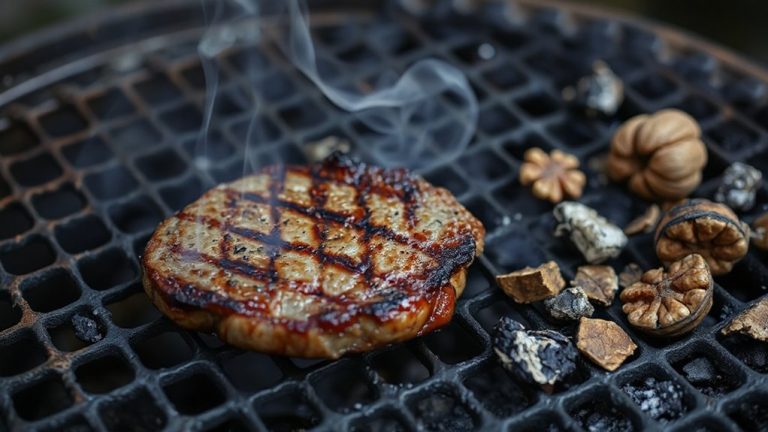
Why do vinegar and baking soda seem to work so well outdoors, especially when cleaning grills or camp stoves after a cookout? The truth is, you’re harnessing a powerful chemical reaction that lifts stubborn grime where it’s needed most. When combined, vinegar’s acetic acid and baking soda’s sodium bicarbonate create fizzing carbon dioxide, helping dislodge char and grease. This effervescence boosts surface penetration, allowing the solution to seep into tight crevices and porous metal. Out in the wild, without running water or advanced cleaners, this low-tech duo performs remarkably-especially on carbonized food residues left by open-flame cooking. Unlike indoors, outdoor conditions let the reaction work openly without confined fumes. You’ll notice it cuts through residue faster on rust-prone surfaces exposed to smoke and moisture. It’s not magic-it’s chemistry meeting practicality, giving you efficient, reliable cleanup when resources are limited.
Pack Light: Vinegar and Baking Soda Storage Tips
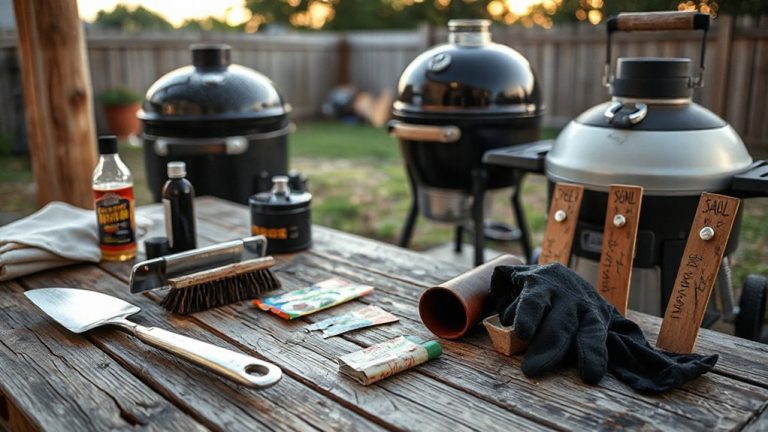
Your camp kitchen’s efficiency starts with how you store vinegar and baking soda. For compact storage, transfer vinegar into a small, leak-proof squeeze bottle-this saves space and prevents spills. Baking soda should go in a resealable, airtight container to block moisture and maintain reactivity. Together, they form a lightweight pairing ideal for backpacking, adding minimal bulk to your pack. Glass bottles are durable but heavy; instead, opt for food-grade plastic-it’s lighter and less prone to breaking. Keep both containers labeled and stored upright. In humid conditions, double-bag the baking soda as a backup. This system beats commercial cleaners in portability and function. You’ll find the combo not only reliable but also simple to manage on multi-day trips. Smart storage means you’re ready to clean efficiently without waste or hassle-essential for any serious outdoor cook.
Clean Your Campfire Cookware: Step-by-Step
After a hearty meal cooked over crackling flames, tackling greasy pots and scorched pans becomes less intimidating with the right method-and vinegar and baking soda make it surprisingly simple. For cast iron or steel cookware, protecting your campfire seasoning while ensuring rust prevention is key. Begin by wiping out excess grease, then add hot water, one tablespoon of vinegar, and a sprinkle of baking soda to the pan. Swirl the mixture gently-avoid boiling, as it may degrade the seasoning. After a brief simmer, pour out the solution and let the cookware air-cool. Always dry thoroughly before storage.
| Step | Action | Purpose |
|---|---|---|
| 1 | Wipe excess grease | Prepares surface |
| 2 | Simmer vinegar + baking soda | Loosens grime |
| 3 | Dry completely | Prevents rust, preserves seasoning |
Scrub Tough Residue With Baking Soda Paste
A stubborn layer of charred food or built-up grease doesn’t stand a chance against a simple baking soda paste, and you’ll find it’s especially effective on grills, Dutch ovens, or enamel-coated camp cookware. Mix baking soda with a little water until you achieve a thick paste consistency-it should cling, not drip. Apply it directly to the residue, then scrub with a cloth or brush. The mild baking soda abrasion lifts grime without scratching most surfaces, making it reliable for frequent use. Unlike harsh chemicals, it’s safe for cookware that touches food and won’t degrade over time. You’ll notice it works best when applied after a preliminary wipe-down to remove loose debris. For heavy buildup, let the paste sit for 10–15 minutes before scrubbing. This method combines practical chemistry with hands-on effectiveness, offering a balanced solution between power and safety in backcountry cleaning scenarios.
Sanitize Gear Naturally With Vinegar
Once the bulk of grime’s been lifted with baking soda, turning to vinegar makes sense for the next step-sanitizing without synthetic chemicals. You’re after natural disinfection, and vinegar delivers thanks to its acetic acid content, which research shows can neutralize bacteria like E. coli and Salmonella commonly found on used cookware. Simply fill a spray bottle with undiluted white vinegar and coat your pots, grills, or utensils, letting it sit for 10–15 minutes before rinsing. It’s especially effective post-scouring, locking in cleanliness. Vinegar also excels at odor elimination, cutting through lingering food smells that baking soda alone might miss. For best results, pair it with sunlight-UV rays enhance its germ-fighting power. Though less potent than commercial cleaners, vinegar’s safety, low environmental impact, and dual action make it a reliable choice for backcountry hygiene.
Dispose Responsibly: No-Trace Outdoor Cleaning
When you’re cleaning up after a meal in the wild, tossing dirty water near your campsite might seem harmless, but it can attract animals and pollute delicate ecosystems. To Leave No Trace, carry wastewater at least 200 feet from water sources and scatter it widely. This helps minimize impact and speeds up natural filtration. Since vinegar and baking soda are biodegradable, they’re safer for the environment than synthetic cleaners-yet they still require proper disposal. Never pour even natural solutions directly into lakes or streams. Strain food scraps from your wash water and pack them out; boiling the strained liquid can reduce volume and kill pathogens before dispersing. You’re not just cleaning-you’re stewarding the land. Responsible disposal isn’t optional; it’s essential to preserving wilderness for others. Every action, from scrubbing to dumping, should aim to leave the environment as you found it.
Skip the Soap? When DIY Works Best
You’ve already handled cleanup responsibly, dispersing wastewater and packing out scraps to protect the environment-now consider whether you even need commercial soap in the first place. In many cases, DIY alternatives like vinegar and baking soda clean cooking surfaces effectively without introducing harmful residues. These natural options offer better chemical safety, especially near water sources or food prep zones. Vinegar cuts grease and deodorizes, while baking soda acts as a gentle abrasive to lift burnt-on debris. Together, they create a fizzy reaction that boosts scrubbing power-perfect for pots, pans, and grill grates. Unlike some biodegradable soaps, which still disrupt ecosystems, this combo breaks down harmlessly. Use it when food residue is light to moderate; for heavy grease or sticky spills, it may require extra effort. Still, for most backcountry tasks, DIY alternatives are practical, eco-conscious choices that align with Leave No Trace principles and streamline your kit.
On a final note
You’ll find vinegar and baking soda highly effective for cleaning cooking surfaces outdoors, especially when weight and space matter. These staples cut grease, neutralize odors, and sanitize without harsh chemicals. They work well on grimy pots and greasy griddles, though stubborn, baked-on residue may need extra scrubbing. Used responsibly, they align with Leave No Trace principles. While not a full replacement for soap in all cases, they’re practical, eco-friendly options you can rely on in most backcountry kitchens.