Using Mustard Powder to Activate Spice Layers and Aid Bark Development
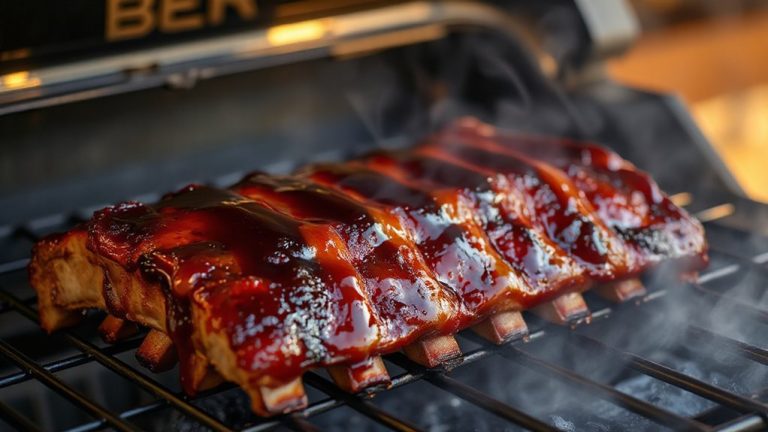
You’re using mustard powder to lock in spice layers and build a crisp bark. It creates a tacky surface that holds your rub tight, so flavors stay put during the long smoke. The mild pH boost helps meat absorb smoke better while extending the Maillard reaction for deeper color and flavor. Unlike wet mustard, the dry form won’t steam the surface, giving you control over texture. Pair it with smoked paprika or black pepper for best results-there’s more to get right where technique meets taste.
Notable Insights
- Mustard powder creates a tacky surface that secures spice adhesion during early smoking stages.
- It stabilizes moisture to extend the Maillard reaction window without steaming the meat.
- The fine texture raises surface pH slightly, enhancing smoke absorption and bark color.
- Dry mustard resists oxidation, preserving spice integrity throughout long, slow cooks.
- When blended with rubs, it amplifies flavor layering and supports uniform crust development.
What Is Mustard Powder and Why It Builds Better Bark
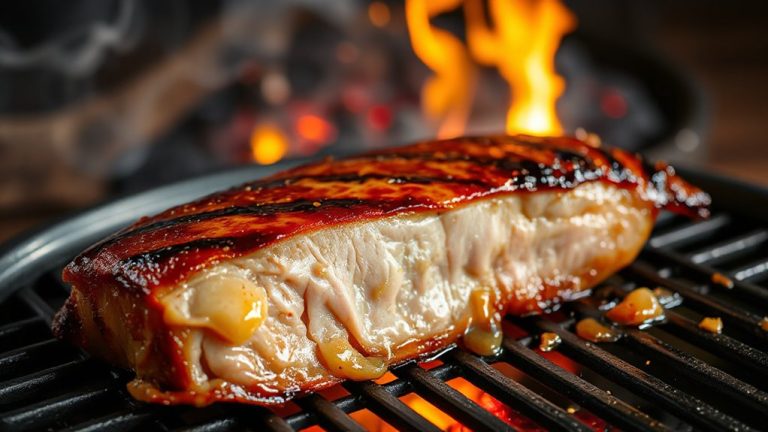
While you might think of mustard powder as just a pantry staple for dressings or marinades, it actually plays a crucial role in building a robust bark during low and slow barbecue. Derived from ground mustard seeds, its use traces back to European culinary traditions, where its historical origins lie in preservation and flavor enhancement. When applied to meat, mustard powder forms a thin, tacky layer that helps spices adhere evenly, promoting consistent development over hours of smoking. It also slightly raises the surface pH, improving smoke absorption. Unlike wet mustards, the dry powder resists flavor oxidation, preserving spice integrity and preventing rancidity during long cooks. This stability guarantees the bark remains flavorful and complex, not stale or flat. Barbecue enthusiasts often prefer it for this reason-its subtle heat and tang amplify depth without overpowering. Combined with its functional binding properties, mustard powder proves more than seasoning-it’s a structural ally in crafting superior bark.
How Mustard Powder Boosts the Maillard Reaction
Because it helps stabilize surface moisture and promotes even browning, mustard powder quietly amplifies the Maillard reaction on slow-smoked meats. You’re not just adding flavor-you’re boosting the chemistry behind that rich, complex crust. Mustard powder acts as a natural Maillard catalyst, helping proteins and sugars react more efficiently under low, prolonged heat. Its mild acidity and fine texture create a consistent surface layer, which holds just enough moisture to prolong the browning window without steaming the meat. Compared to other reaction enhancers, it doesn’t overpower, letting spices shine while doing the heavy lifting beneath. You’ll notice deeper color and more consistent development, especially on tougher cuts like brisket or pork shoulder. It’s not magic-it’s smart science. Used right, mustard powder doesn’t just prep the surface; it optimizes conditions for superior browning, making it one of the most effective, underrated tools in your BBQ arsenal.
How Mustard Powder Helps Spices Stick and Build Crust
You’ve already seen how mustard powder sets the stage for better browning by fine-tuning moisture and supporting the Maillard reaction, but its role goes beyond chemistry-it’s a practical glue for your rub. When applied as a light slurry or dry layer, it dramatically improves spice adhesion, clinging to meat fibers and creating a tacky surface that holds seasoning firmly during the early smoke phase. This initial grip is vital-without it, spices can easily fall off, leading to uneven flavor and weak crust formation. Mustard powder doesn’t just stick spices; it helps build structure, allowing layers to bond and deepen over hours of slow cooking. Observations across countless briskets and ribs confirm that meats treated with mustard powder develop a more consistent, robust bark. It’s not magic-it’s functionality: the right texture, the right reaction, and reliable performance when you need it most.
How To Use Mustard Powder in Dry Rubs
When building a dry rub, adding mustard powder isn’t just a suggestion-it’s a strategic move that enhances both adhesion and complexity. You’re not just adding spice; you’re creating flavor enhancement through ingredient synergy. The powder binds oils and spices to meat, forming a cohesive layer that crisps beautifully. Use it in balance-too much overpowers, too little misses the mark. Consider how it complements other spices in both aroma and reaction. A well-formulated blend can make a significant difference, and selecting the right best meat rubs for smoking ensures optimal results.
| Spice Pairing | Effect on Flavor & Texture |
|---|---|
| Smoked paprika | Deepens color, boosts earthiness |
| Brown sugar | Balances bite, aids caramelization |
| Garlic powder | Amplifies savory depth |
| Chili flakes | Introduces heat with even dispersion |
| Black pepper | Adds sharpness, improves texture |
Mustard powder integrates seamlessly, driving both taste and crust development without dominating.
Mustard Powder Vs. Liquid Mustard: Which Forms Better Bark?
While both mustard powder and liquid mustard play roles in bark development, they function in distinctly different ways that affect texture, adhesion, and flavor concentration. You’ll find mustard powder enhances grain texture, helping spices cling tighter and form a more uniform crust. Its dry nature supports better moisture retention within the meat by creating a semi-sealed layer that slows evaporation. Liquid mustard, though flavorful, introduces excess moisture that can delay bark formation and make the surface sticky or gummy. It tends to steam the meat’s surface early in the cook, which hinders the deep, crisp texture many pitmasters aim for. While it has its uses, especially in shorter cooks or marinades, dry mustard gives you more control. For a robust bark with balanced spice integration and consistent texture, mustard powder is typically the smarter choice. A well-chosen rub enhancer like best smoked salt can further amplify flavor depth and bark complexity.
Spice Combos That Work Best With Mustard Powder
A well-balanced spice rub makes all the difference when building layers of flavor on smoked meats, and mustard powder happens to be one of the best binders and flavor amplifiers you can use. When combined with smoked paprika and brown sugar, it creates rich flavor layering, adding depth without overpowering. You’ll notice solid spice synergy with garlic powder and black pepper-these staples cling better and roast evenly thanks to the mustard’s slight gumminess. For heat, cayenne integrates smoothly, while onion powder rounds out the background notes. A touch of celery seed amplifies earthiness, letting the mustard enhance rather than dominate. These combinations don’t just stick well; they react during slow smoking, forming a complex crust. You’re not just seasoning-you’re engineering taste progression. Stick to ratios that favor balance, and let the mustard powder act as the bridge between sweet, savory, and sharp. It’s a small ingredient with outsized impact on structure and flavor dynamics. For those looking to explore top-performing options, consider trying one of the best BBQ rubs recommended in expert roundups.
Pro Tips for Better Bark and Flavor
Though you might think bark formation relies solely on smoke and time, the real magic happens when you treat mustard powder not just as a flavor agent but as a structural catalyst. It draws moisture to the surface, kickstarting a quicker crust that locks in juices while boosting texture enhancement through early protein coagulation. For deeper smoke infusion, apply your rub-mustard powder included-directly to damp meat, letting it sit for at least 30 minutes before hitting the smoker. Maintain a steady 225°F with clean, thin smoke for ideal bark development. Avoid spritzing too early; wait until the crust forms to preserve integrity. Coarse black pepper and paprika in your blend will complement the mustard’s bite, adding complexity. Flare-ups? Control them-excessive char undermines bark. This method isn’t just tradition; it’s science-backed technique yielding reliable, restaurant-quality results you can replicate every time.
On a final note
You’ll find mustard powder elevates your rubs by accelerating bark formation and deepening flavor complexity. It promotes the Maillard reaction, helping develop that coveted, crisp crust. Unlike liquid mustard, it adds no moisture, ensuring better texture control. Paired with spices like paprika and garlic, it enhances adhesion and layering. For consistent, robust bark and balanced heat, it’s a subtle but powerful addition-practical, effective, and worth mastering in your outdoor cooking routine.