Yakiniku Over Bincho-Tan: 3-Zone Grilling Method Explained
You’re using binchō-tan because it burns hotter and longer than regular charcoal, giving you precise control for yakiniku-style grilling. Set up high, medium, and cool zones to sear, cook, and rest meats efficiently. The intense, clean heat perfects ribeye, tongue, and short rib with minimal ash. Vegetables and offal caramelize evenly without scorching. This setup guarantees consistent results, flavor depth, and tabletop ease-masters rely on it for a reason. There’s more to get right with heat maintenance and cut selection.
Notable Insights
- Use binchō-tan for its intense, consistent heat and minimal smoke to enhance yakiniku searing without overpowering delicate proteins.
- Arrange binchō-tan into high, medium, and low heat zones to enable precise control over searing, cooking, and resting.
- Start meats like ribeye and short rib over the blazing zone for 60–90 seconds per side to achieve a perfect Maillard crust.
- Move seared meats to a cooler zone to finish cooking gently, avoiding flare-ups and maintaining ideal doneness.
- Grill vegetables and offal over steady heat to caramelize naturally, using miso or citrus marinades to complement, not mask, flavor.
Why Bincho-Tan Beats Regular Charcoal for Yakiniku
Years of grilling over different coals have shown me one clear winner for yakiniku: binchō-tan. You’ll notice the difference the moment you light it-this premium charcoal burns hotter and longer than regular charcoal, delivering unmatched heat consistency. That steady, intense heat sears meat quickly, locking in juices without overcooking, which is essential for perfect yakiniku. Unlike cheaper charcoals that produce thick, acrid smoke, binchō-tan imparts a clean, subtle smoke flavor that enhances rather than overwhelms delicate proteins like wagyu or chicken tenderloin. It lights slower, yes, but once glowing, it requires little adjustment. You won’t waste time managing flare-ups or uneven zones. Plus, with minimal ash and impurities, it burns cleaner-ideal for tabletop grilling. Though pricier, its efficiency and performance make it worth every yen when you want control, clarity of flavor, and professional results at home. For those seeking the best experience, selecting from the Best Japanese Charcoal Picks can ensure optimal results tailored to yakiniku grilling.
Set up Yakiniku Zones With Bincho-Tan
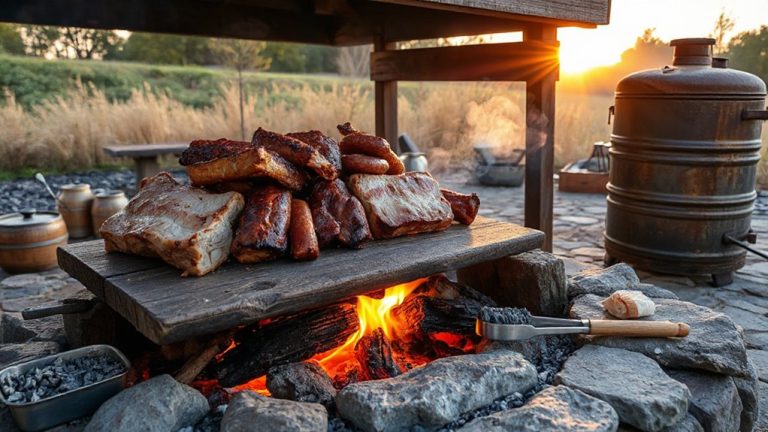
You’ve chosen binchō-tan for its clean burn and superior heat control, and now the way you arrange it on the grill makes all the difference in how your yakiniku turns out. Spread the lit coals in distinct zones: a high-heat area for searing, a medium zone for slower cooking, and a cooler side for resting meats. This setup gives you precision, especially with delicate marinade techniques-thicker sauces won’t burn as easily when you can move pieces to lower heat. Thoughtful zone management also supports proper grilling etiquette, letting guests cook at their own pace without overcrowding the hot spot. Unlike regular charcoal, binchō-tan retains consistent temperatures longer, reducing flare-ups and allowing attentive cooking. You’ll notice better crust development and juicier interiors when you control exposure. Proper airflow and coal placement are key-don’t skimp on space between pieces. This method elevates both flavor and function, making every grilling session more intentional and effective.
Best Yakiniku Cuts for Bincho-Tan Grilling
The magic of binchō-tan grilling reveals itself most clearly in the quality of the sear it delivers-clean, rapid, and deep without scorching-making it ideal for premium cuts that shine with minimal interference. You’ll want cuts that balance marbling intensity and cut thickness to maximize flavor and texture. Thin slices cook too quickly, while overly thick pieces lose the delicate contrast binchō-tan excels at. Here are top choices:
| Cut | Why It Works |
|---|---|
| Ribeye (1.5 cm) | High marbling intensity guarantees juiciness and rich flavor |
| Sirloin (1.2 cm) | Moderate marbling, even sear due to ideal cut thickness |
| Tongue (0.8 cm) | Uniform thickness, crisp edges without drying |
| Short Rib (2 cm) | Deep sear with fat rendering slowly due to density |
| Harami (1.5 cm) | Intramuscular fat enhances smokiness without flare-ups |
These cuts respond exceptionally to radiant heat.
Sear Yakiniku Meat Perfectly With Zones
Now that you’ve selected the right cuts for binchō-tan grilling, the next step is mastering heat control to achieve that signature yakiniku sear. You’ll want to set up distinct cooking zones: a blazing zone for searing and a cooler zone for gentle finishing. Binchō-tan excels here-its superior heat retention keeps surface temps high and stable, essential for rapid caramelization. Position your meat over the hottest part for 60–90 seconds per side to lock in juices and kickstart flavor development through Maillard browning. Don’t overcrowd; too much meat drops the grill temp and sacrifices sear. Move pieces off direct heat after initial searing to avoid charring. This two-zone strategy gives you control, balancing texture and doneness without sacrificing smoky complexity. With precise zone management, you’re not just grilling-you’re optimizing every stage of cooking for maximum impact.
Grill Yakiniku Veggies & Offal on Bincho-Tan
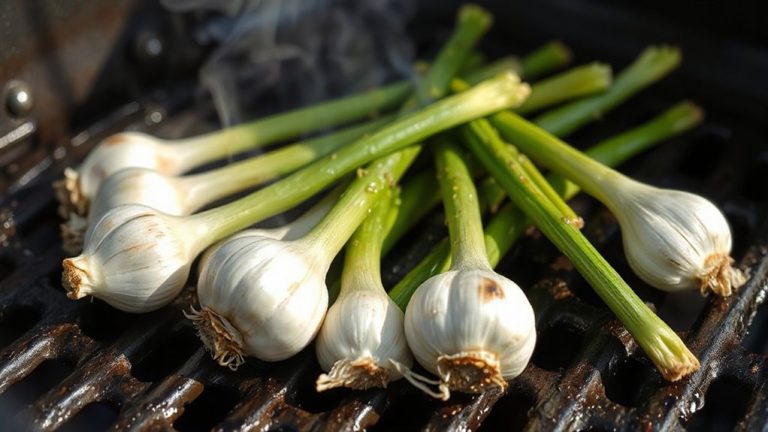
While red meat often takes center stage in yakiniku, grilling vegetables and offal over binchō-tan reveals a subtler, yet equally compelling dimension of flavor. You’ll notice how the clean, intense heat caramelizes onions, mushrooms, and peppers without scorching-retaining sweetness and texture. Offal like liver or sweetbreads benefit from quick searing, developing a crisp exterior while staying tender within. Effective marinade techniques, such as using miso or citrus-based blends, enhance rather than mask their delicate profiles. Think of these grilled items not as afterthoughts but essential components, where proper char complements their natural richness. Pair them thoughtfully: grilled shishito peppers with flaky sea salt, or marinated mushrooms alongside pickled daikon for balanced side dish pairings. The mineral-rich glow of binchō-tan guarantees even cooking, elevating modest ingredients with restaurant-grade precision. You’re not just cooking-you’re refining each bite through controlled fire and smart composition.
Keep Bincho-Tan Hot for Yakiniku Sessions
You’ve just grilled crisp-edged vegetables and tender offal over glowing binchō-tan, and now you’re feeling the heat starting to dip-don’t let the momentum fade. Maintaining peak heat is essential, and that’s where smart rest periods come in. Letting the coals breathe between cooking rounds prevents suffocation and sustains combustion. You’ll notice how properly rested binchō-tan rebounds with clean, radiant heat-no harsh smoke, just steady intensity. Pair this with disciplined fuel rotation: shift spent coals to the edges and introduce fresh ones to the core, preserving an even thermal profile. This isn’t just upkeep-it’s precision. Unlike cheaper charcoals, binchō-tan rewards attentive handling with longer burn times and superior heat control. With rest periods and fuel rotation, you’re not reacting to heat loss; you’re managing it. The result? Consistent searing power throughout your yakiniku session, dish after dish.
On a final note
You’ll appreciate how bincho-tan’s dense composition delivers intense, even heat, far outperforming regular charcoal. With precise zone management, you control searing, finishing, and warming-critical for yakiniku’s variety. It burns cleaner and longer, ideal for extended sessions. Though pricier and harder to source, its efficiency and flavor purity justify the cost. Properly maintained, a bincho-tan grill elevates your outdoor cooking with restaurant-grade results, making it a worthwhile investment for serious enthusiasts.