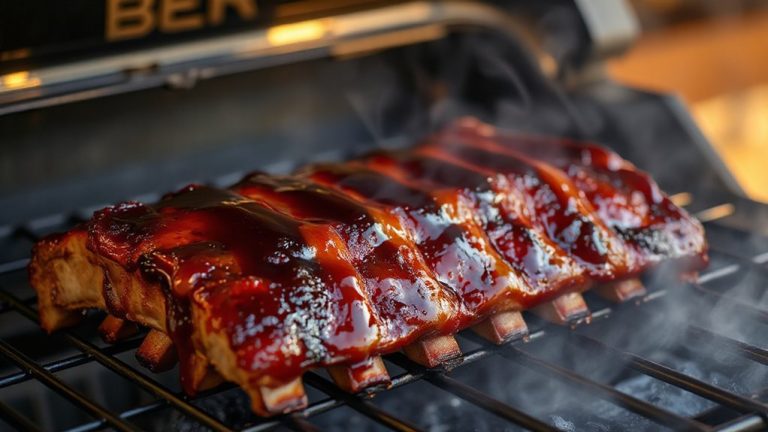
How to Modify Salt Content in Rubs for Health-Conscious BBQ Enthusiasts
You can cut sodium in rubs by skipping store-bought blends, which often pack over 500mg per serving thanks to salt-heavy formulas and hidden sources like MSG or sodium benzoate. Instead, build flavor with smoked paprika, cumin, garlic powder, and fresh herbs like rosemary or thyme-these deliver depth without relying on salt. Add brightness with citrus zest and umami with mushroom or tomato powder. You’ll get bolder, more nuanced results while supporting heart health. There’s a simple, five-ingredient low-sodium rub that proves homemade always wins.
Notable Insights
- Choose low-sodium or salt-free spice blends to maintain flavor without excess sodium.
- Read labels carefully to identify hidden sodium sources like MSG or sodium benzoate in store-bought rubs.
- Use smoked paprika, cumin, and black pepper to build rich flavor without relying on salt.
- Enhance complexity with fresh herbs and citrus zest, which add brightness and depth naturally.
- Incorporate umami-rich ingredients like mushroom or tomato powder for savory depth without added sodium.
Skip the Sodium: Why Store-Bought Rubs Are Too Salty
Most store-bought BBQ rubs load in way more sodium than you actually need-sometimes over 500 milligrams per serving-because salt is cheap, extends shelf life, and enhances flavor fast. You’re not just paying for convenience; you’re sacrificing control over your meal’s nutritional profile. That heavy hand with salt isn’t just about taste-it’s tied to real health risks like high blood pressure and cardiovascular strain when consumed regularly. What’s more, all that salt drowns out the nuanced spices, leading to a flavor compromise where smokiness and sweetness get muted. Experts note that balanced seasoning enhances meat rather than masking it, and commercial blends often miss that mark. By relying on pre-made mixes, you accept both excess sodium and diminished complexity. Crafting your own rub lets you prioritize clean ingredient lists and tailor depth without leaning on salt as a crutch. It’s a small shift with measurable impact on both long-term wellness and immediate taste.
Read Labels: Spot Hidden Salt in Spice Blends
Even if you’re steering clear of table salt, you might still be consuming more sodium than you think-because it’s hiding in plain sight within premade spice blends. Many commercial rubs pack in hidden sodium through additives like monosodium glutamate, sodium benzoate, or disodium phosphate, which boost flavor or extend shelf life but aren’t always obvious on packaging. That’s why label literacy matters: scanning ingredient lists and nutrition facts helps you spot these silent sodium sources before they hit your grill. You’ll often find salt listed among the first ingredients, signaling it’s a major component. Some blends contain over 500mg of sodium per serving-too much if you’re aiming for a low-sodium cookout. By reading labels carefully, you take control, ensuring your rub enhances taste without silently spiking your intake. It’s a small step with real impact on health-conscious outdoor cooking. For a full overview of top options that prioritize flavor without excess sodium, check out the Top Meat Seasonings buying guide.
Use Low-Sodium, High-Flavor Spices Like Smoked Paprika and Cumin
| Spice | Flavor Contribution |
|---|---|
| Smoked Paprika | Earthy, sweet, smoky |
| Cumin | Warm, nutty, slightly bitter |
| Black Pepper | Sharp, pungent |
| Garlic Powder | Savory, aromatic |
These spices integrate seamlessly into low-sodium blends, offering robust taste and consistent performance across various grilling methods. Pairing these rubs with a flavorful Best Sauces for Shrimp can enhance the overall dish while keeping salt levels in check.
Add Freshness With Herbs and Citrus Zest
Balancing rich, savory notes in your BBQ rub doesn’t end with smoked paprika or cumin-adding fresh herbs and citrus zest introduces a bright counterpoint that lifts the entire flavor profile. You’ll find that a subtle herb infusion, like finely chopped thyme, rosemary, or oregano, enhances complexity without relying on salt. These herbs release aromatic oils when heated, deepening the rub’s dimension on meat or vegetables. Complementing them, citrus brightness from lemon, lime, or orange zest cuts through fat and enhances perception of flavor, making dishes taste more vibrant. The essential oils in the zest are potent, so a little goes a long way. Dried herbs work in a pinch, but fresh ones deliver superior aroma and balance. When combined thoughtfully, herb infusion and citrus brightness improve overall taste satisfaction, helping reduce sodium without sacrificing depth-an asset for health-conscious outdoor cooking.
Boost Umami With Mushroom Powder and Tomato
You can markedly deepen the savory character of your BBQ rub by incorporating mushroom powder and tomato, both of which deliver concentrated umami without relying on salt. These ingredients provide a clean umami boost that enhances meat’s natural richness while supporting a balanced profile. Mushroom powder, especially from dried shiitakes, packs glutamates that intensify flavor depth without overpowering. It integrates seamlessly into dry rubs, lending an earthy savor reminiscent of slow-cooked stocks. Tomato powder, low in moisture and high in natural glutamates, adds a subtle tang and deepens color and complexity. Together, they build layers that mimic salt’s ability to round out taste, but without increasing sodium. Their performance on proteins like brisket or ribs is impressive-yielding a richer crust and more satisfying aftertaste. For health-conscious cooks, this pair is essential for achieving full-bodied flavor depth through smart ingredient synergy, not excess salt. For even greater impact, consider blending in other umami-rich seasonings known for their deep, savory profiles.
Make Your Own Low-Sodium BBQ Rub in 5 Minutes
Whipping up a low-sodium BBQ rub in just five minutes isn’t just convenient-it’s a game-changer for flavor control and dietary balance. With DIY experimentation, you skip hidden sodium and tailor every note to your taste. Flavor balancing shines when you blend sweet, smoky, and savory without relying on salt. Below is a simple mix that proves health-savvy doesn’t mean taste-sacrificed:
| Ingredient | Amount (Tbsp) | Emotional Benefit |
|---|---|---|
| Smoked paprika | 3 | Rich depth, no guilt |
| Garlic powder | 1 | Bold aroma, heart-healthy boost |
| Brown sugar | 2 | Gentle sweetness, no overload |
| Black pepper | 1 | Spicy warmth, fullness in bite |
This rub performs consistently across ribs, chicken, and veggies. You’re not just cooking-you’re crafting with purpose, one balanced pinch at a time.
Store for Freshness: Keep Your Rub Flavor-Strong for Weeks
Once you’ve mixed a custom low-sodium rub with smoked paprika, garlic powder, and just enough brown sugar for balance, preserving that carefully calibrated flavor becomes the next priority. Store your rub in an airtight container-glass jars with tight seals or high-quality plastic spice containers work best as storage solutions. Exposure to air, light, and moisture dulls potency, so keep it in a cool, dark cupboard, not near the stove or sink. Properly stored, your rub maintains peak flavor for up to eight weeks, maximizing shelf life without preservatives. While not perishable, spices gradually lose aroma and complexity over time. You’ll notice fading scent or weak taste-a clear sign it’s past its prime. Avoid refrigeration; it encourages clumping. Consistent storage doesn’t just preserve flavor-it guarantees every BBQ application delivers the robust, balanced profile you designed, making your outdoor cooking consistently reliable and flavorful.
On a final note
You’ll find store-bought rubs often overload sodium to extend shelf life and enhance flavor cheaply. By making your own, you control the salt while boosting complexity with spices like smoked paprika, cumin, and mushroom powder. Fresh herbs and citrus zest add brightness without sodium. A well-balanced, low-sodium rub performs just as well-often better-than commercial versions, especially when stored properly in airtight containers away from heat and light.