Creating Custom Rubs by Matching Wood Smoke Type to Complementary Spices
You’re matching wood smoke to spices to build balanced, flavorful rubs. Light fruitwoods pair with sweet, warm spices like cinnamon and maple, while bold hickory or mesquite demands hearty companions such as smoked paprika and cumin. Adjust pepper heat to match smoke intensity-mild smoke with black pepper, heavy smoke with chipotle or habanero. Tailor blends to your protein, and you’ll find the next layer of flavor precision waiting just beyond.
Notable Insights
- Match smoke intensity to spice strength: bold woods like hickory need robust spices, while mild woods suit delicate flavors.
- Use smoked paprika and cumin with strong woods to enhance depth without overpowering the meat’s natural taste.
- Pair fruitwoods like apple or cherry with sweet spices such as cinnamon, nutmeg, and brown sugar for balanced harmony.
- Align pepper heat with smoke level-crushed red pepper for heavy smoke, Aleppo for medium, black pepper for light.
- Customize rubs by protein: beef handles bold rubs and strong smoke, poultry and fish need subtler spice and mild smoke.
How Smoke Shapes Your Rub’s Flavor
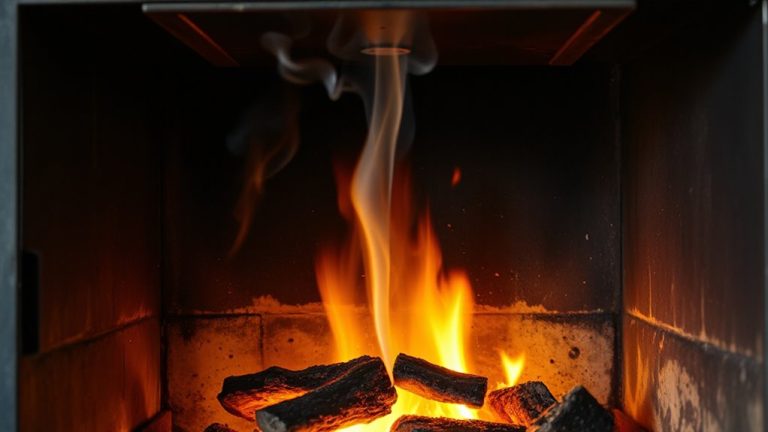
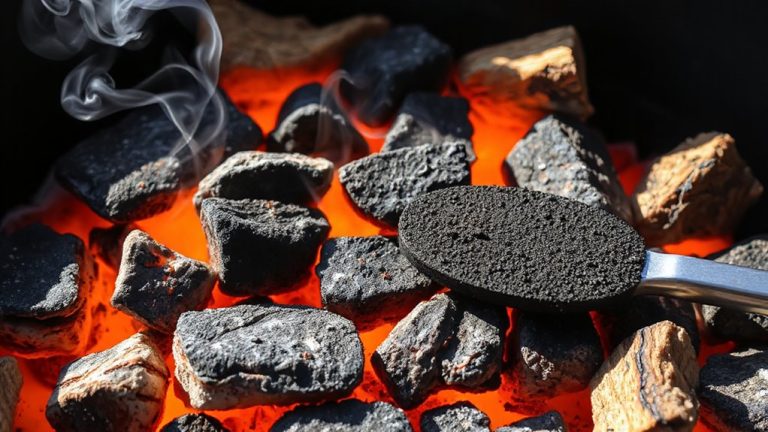
While smoke might seem like a background player compared to the bold spices in your dry rub, it actually plays a defining role in shaping the final flavor of your meat. You’re not just adding smokiness-you’re building flavor harmony between the rub and the wood. The smoke intensity determines how deeply those aromatic compounds penetrate, interacting with spices to either enhance or overwhelm. Lighter woods like apple or cherry offer subtle sweetness that complements delicate herbs without masking them, ideal for poultry or fish. Stronger woods such as hickory or mesquite bring high smoke intensity, which can clash with fine spices unless balanced carefully. When matched thoughtfully, smoke and rub create a unified taste profile rather than competing elements. Your control over burn temperature and smoke density directly influences this balance, making consistent airflow and wood moisture essential. Ultimately, successful BBQ hinges on this synergy-where smoke doesn’t dominate but integrates, elevating the entire flavor experience. For best results, select quality hardwoods with low moisture content, as best smoking wood choices ensure clean, consistent smoke that enhances your custom rubs.
Pair Bold Woods With Hearty Spices
Bold woods demand bold companions-think hickory or mesquite meeting smoked paprika, black pepper, and garlic powder with confidence, not caution. When you’re using a strong wood, your rub needs weight and depth, or the smoke will overpower everything. Smoky paprika isn’t just a color booster-it deepens the charred essence and blends seamlessly with the wood’s intensity. Pair it with bold cumin, which brings a warm, almost earthy bitterness that stands up to heavy smoke. These spices don’t just survive the heat-they enhance it. You’ll notice the flavors marry better when the rub’s strength matches the smoke’s presence, especially on beef brisket or pork shoulder. Weak spices get lost; bold ones assert themselves. You want balance, not battle. So skip the subtlety here-go for assertive blends that hold their ground from bark formation through to the final bite. For best results, choose rubs specifically formulated for smoking, as these are designed to complement rather than compete with wood-fired flavors. Best Smoker Rubs & Buying Guide
Use Mild Smoke With Sweet, Warm Spices
Think of your wood smoke like a background note in a well-balanced recipe-when it’s too loud, it drowns out the harmony. With mild woods like apple or cherry, you’re not overpowering the meat; you’re enhancing it. These smokes blend seamlessly with sweet, warm spices, creating a profile that’s nuanced, not noisy. You’ll notice how maple sweetness lifts brown sugar and nutmeg, adding depth without acridity. Meanwhile, cinnamon warmth folds in smoothly, offering a gentle heat that complements rather than clashes. This pairing works especially well with poultry, pork, and even roasted vegetables. The smoke doesn’t dominate-it supports. You get clarity in flavor, with each component detectable. Stronger woods would muddy this balance, but mild smoke lets the spices shine. For rubs, combine ground cinnamon, a touch of allspice, and real maple sugar to align with the smoke’s subtlety. The result? A refined taste that feels intentional, not accidental. Best dry rubs for beef roast balance these mild smoky notes with complementary spices to enhance deeper meat flavors without overwhelming them.
Match Peppers to Your Smoke Level
You’ve got sweet, warm spices paired beautifully with mild smoke, letting subtle flavors like nutmeg and cinnamon do their work without interference. Now it’s time to match pepper intensity to smoke balance so your rubs stay cohesive. Too much heat with delicate smoke overwhelms; too little with bold smoke falls flat. Consider this:
| Smoke Level | Pepper Choice | Pepper Intensity |
|---|---|---|
| Mild | Black peppercorn | Medium |
| Medium | Aleppo | Low-Medium |
| Strong | Crushed red pepper | High |
| Robust | Chipotle powder | Medium-High |
| Heavy | Habanero flakes | Very High |
Each pairing keeps smoke balance in check while letting pepper intensity enhance, not dominate. You’re not just adding heat-you’re layering complexity. The right pepper supports the smoke profile, creating depth without chaos. Thoughtful combinations elevate your rub from good to precise, especially when smoke and spice respect each other’s weight.
Customize Rubs for Each Protein
A great rub doesn’t just season-it adapts. You’ve got to match your rub to both the smoke intensity and protein texture to get it right. For dense meats like beef brisket, go bold: use robust spices-paprika, black pepper, garlic powder-that stand up to strong smoke from hickory or mesquite. The thick protein texture holds heavy rubs without overpowering the meat. For more delicate proteins like pork tenderloin or chicken, choose milder spices-onion powder, thyme, a touch of brown sugar-paired with fruitwoods like apple or cherry. Their light smoke intensity won’t overwhelm. Even fish benefits from a subtle rub-think dill, lemon zest, minimal salt-with alder smoke for a tender finish. Tailoring your rub guarantees balance, letting the protein shine while enhancing depth through thoughtful spice and smoke pairings.
Fix Common Smoke-Spice Mistakes
Getting the balance right between smoke and spice doesn’t always come naturally, even if you’ve already matched your rub to the protein and wood. Over smoking errors are common, especially with strong woods like mesquite or hickory-too much can overpower the meat, leaving a bitter, acrid taste. You’re better off using these woods in moderation or blending them with milder options like apple or cherry. Likewise, a heavy hand with potent spices can create a spice imbalance, masking the meat’s natural flavor. Spice imbalance fixes often mean scaling back on aggressive components like cayenne or smoked paprika and emphasizing balance with salt, sugar, and aromatic spices. Taste your rub before applying it, and remember: smoke builds over time. Shorter smoke sessions with attentive temperature control usually yield cleaner results. Trust your nose and palate more than the clock.
Tweak Your Rubs for Better Flavor
While some might think rubs are just a mix of spices thrown together, fine-tuning yours can make a noticeable difference in how flavor develops on the grill or smoker. You’ve got to think about smoke intensity when adjusting your rub-mild woods like apple or cherry pair best with delicate spices, letting subtle spice synergy shine. Stronger smoke from hickory or mesquite demands bolder spices like smoked paprika, garlic powder, or cumin to maintain balance. Adjusting salt levels also impacts how flavors meld; too much can overwhelm, too little lets smoke dominate. Toasting whole spices before grinding boosts aroma and deepens complexity. Small tweaks-like adding a touch of citrus zest for brightness or brown sugar for caramelization-can elevate the final crust. When spice synergy works, the rub doesn’t compete with the smoke but complements it, creating layered, cohesive flavor. Test small batches first, then refine based on wood choice and cook time.
On a final note
You’ve learned how smoke type shapes your rub’s flavor, so use bold woods like hickory with hearty spices such as black pepper and garlic for red meats. Pair milder smoke, like apple, with sweet, warm spices-cinnamon or nutmeg-for poultry or fish. Match pepper heat to smoke intensity to avoid imbalance. Tailor each blend to the protein and cooking method. Avoid over-seasoning or mismatching smoke with delicate spices. Tweak ratios based on results-consistent adjustment improves flavor. Your rubs should enhance, not mask, the meat’s natural taste. A well-matched smoke-spice combo elevates the whole cook.