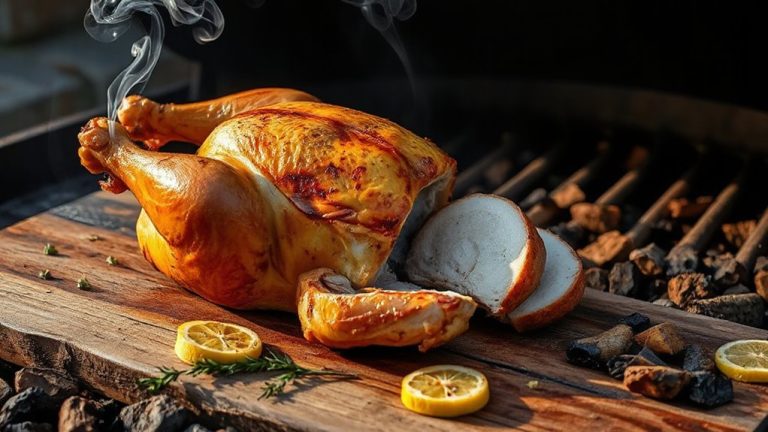
Adapting Home Recipes for Outdoor Cooking: Simplification Techniques
You can adapt home recipes for outdoor cooking by prepping ingredients ahead-marinate proteins, pre-cook sauces, and portion components in sealed containers. Swap fresh herbs and veggies for dried or canned alternatives to save weight and boost shelf life. Use compact, homemade spice blends for consistent flavor without bulk. Cook in a single cast iron pan or foil packet to cut cleanup and fuel use. Choose fast-cooking proteins like shrimp or diced chicken instead of dense cuts. Test your setup once under real conditions-you’ll refine timing and gear needs quickly.
Notable Insights
- Pre-cook and marinate proteins at home to reduce outdoor cooking time and enhance flavor over open flames.
- Replace fresh ingredients with lightweight, shelf-stable alternatives like dried herbs and canned vegetables to simplify meal assembly.
- Use pre-mixed spice blends stored in airtight containers for consistent seasoning without the clutter of multiple spices.
- Cook meals in single pans or foil packets to minimize cleanup and maximize heat efficiency over outdoor fires.
- Choose fast-cooking, lightweight proteins such as shrimp, diced chicken, or canned beans to reduce fuel use and prep time.
Prep Meals at Home to Save Time Outdoors
While you might be keen to start grilling the moment you reach your campsite, prepping key components of your meal at home can save significant time and effort outdoors, where resources are limited. You’ll work faster without battling wind or uneven surfaces, so use your kitchen’s efficiency wisely. Consider how flavors develop: when you marinate in advance, proteins absorb seasonings more deeply, yielding better taste and tenderness over an open flame. Likewise, to streamline cooking, pre cook sauces-especially those with slow-simmer bases like tomato or curry-so they only need reheating. This reduces fuel use and avoids flare-ups from sugar-heavy liquids dripping onto coals. Portioned ingredients in sealed containers cut prep time drastically. Though it may feel less spontaneous, this method enhances control and consistency. Smart preparation doesn’t diminish the outdoor experience-it optimizes it, letting you focus on technique rather than timing.
Replace Fresh Ingredients With Portable Alternatives
Since fresh produce and dairy can spoil quickly without refrigeration, swapping them for more resilient alternatives makes a lot of sense when planning outdoor meals. You’ll find dried herbs are lightweight, easy to store, and retain flavor better than expected, especially when sealed tightly. Unlike fresh greens or delicate spices, they won’t degrade in heat, making them reliable for extended trips. Canned vegetables are another smart swap; they’re pre-cooked, shelf-stable, and offer consistent texture and nutrition. While they may lack the crispness of fresh options, their convenience outweighs that drawback in the field. Draining and rinsing canned vegetables reduces excess sodium and improves texture. You can integrate these substitutes seamlessly into stews, rice dishes, or foil packet meals without sacrificing taste. Choosing portable ingredients like dried herbs and canned vegetables streamlines outdoor cooking, minimizes waste, and increases meal reliability under changing conditions.
Use Simple Spice Blends That Travel Well
A handful of well-chosen spice blends can transform your outdoor meals from bland to bold without the hassle of packing individual spices. You preserve spice freshness longer by combining dried herbs and ground spices in airtight containers, minimizing exposure to heat and moisture. Pre-mixed blends like chili powder, jerk, or herbes de Provence hold up well in backpacks or coolers, ensuring reliable flavor under rugged conditions. Plus, blend customization lets you tailor heat, salt, and aroma to match your taste or recipe-say, boosting smoked paprika for grilled veggies or adding cumin to taco meat. Unlike single spices, compact blends reduce clutter and measurement errors. You’ll find that a single small jar can season multiple dishes across several meals, improving efficiency. While commercial blends work, homemade versions often lack fillers and offer better freshness control. With thoughtful preparation, your spice strategy becomes a quiet asset-practical, effective, and perfectly suited to outdoor cooking’s demands. For best results, consider the best spice blends based on flavor balance, ingredient quality, and shelf stability.
Cook in One Pan or Foil Pack for Easy Cleanup
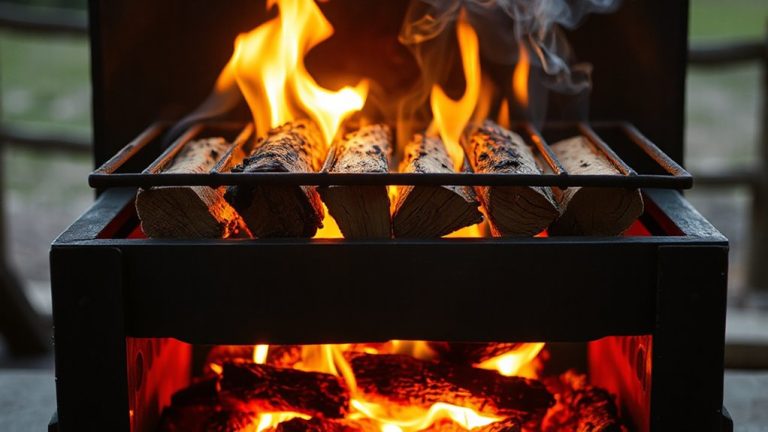
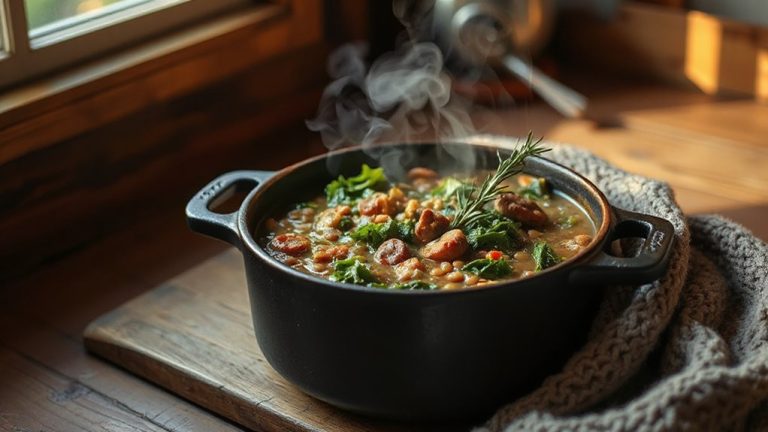
Cooking everything in a single pan or foil packet simplifies outdoor meals by cutting down on gear, effort, and cleanup time. You’ll want to use durable cookware like cast iron, which distributes heat evenly over open flames-just remember basic cast iron care: season it properly and avoid soap to maintain its nonstick surface. Foil packs, meanwhile, are disposable and ideal for veggies or delicate ingredients, minimizing contact with direct flames. Both methods align with essential fire safety tips: keep flammable items clear, monitor cooking constantly, and place your pan securely on stable surfaces. One-pan cooking isn’t just practical-it reduces variables that can lead to burnt food or mishaps. While cast iron requires maintenance, its performance justifies the effort. Foil offers convenience but lacks the browning capability of direct metal contact. Ultimately, your choice depends on priorities: durability and flavor or speed and ease. For superior heat retention and even cooking, consider using best cast iron cookware designed specifically for grilling.
Pick Lightweight Proteins That Cook Fast
You’ve streamlined your setup with one-pan meals or foil packets, so now it’s time to think about what goes in them-especially the protein. Opt for quick proteins that support fast cooking and reduce fuel use. Diced chicken, turkey sausage, shrimp, and canned beans heat through in minutes, making them ideal over a camp stove or open flame. Thin cuts sear quickly, while pre-cooked options like rotisserie chicken or vacuum-sealed tuna require only warming. Avoid dense, heavy meats like whole roasts; they demand too much time and heat control. Lightweight proteins also pack easier and spoil slower, especially when dehydrated or freeze-dried. You’ll gain efficiency without sacrificing nutrition. For balanced meals, pair fast cooking proteins with chopped veggies and instant grains in foil bundles. Their compact prep and reliable results make them smarter choices in the backcountry. Focus on simplicity, speed, and weight-you’ll eat well without the hassle.
Test Your Recipe Before You Hit the Trail
Before you’re miles from the nearest road with smoke in your eyes and a pan that won’t level on the rocks, make sure your camp recipe actually works. Recipe testing at home saves frustration and wasted ingredients. Simulate camp conditions-use your backpacking stove, test wind resistance, and time each step. Trail trials aren’t just about taste; they’re about efficiency, fuel use, and cleanup. Small adjustments now prevent meal disasters later. The right camping stove choice can significantly impact cooking performance and portability.
| Factor | Home Test | Trail Trial |
|---|---|---|
| Cooking Time | 18 min | 23 min |
| Fuel Use | Low | Moderate |
| Cleanup Effort | Easy | Challenging |
| Flavor Outcome | Good | Variable |
What works in your kitchen might fail outdoors. Conducting proper recipe testing builds confidence and refines your process, ensuring your dish survives the leap from stove to summit with flavor and function intact.
On a final note
You’ll save time and reduce stress by prepping meals at home and simplifying ingredients without sacrificing flavor. Swapping fresh items for dried or dehydrated alternatives streamlines packing and boosts shelf life. Compact spice blends, one-pan cooking, and fast-cooking proteins enhance efficiency. Testing recipes beforehand guarantees reliability. These methods, tried in real backcountry conditions, consistently improve performance, cleanup, and enjoyment-proving that smart planning makes outdoor cooking not only practical but genuinely satisfying.