How to Smoke Beef Ribs (aka Beef Plates) for Maximum Bark Formation
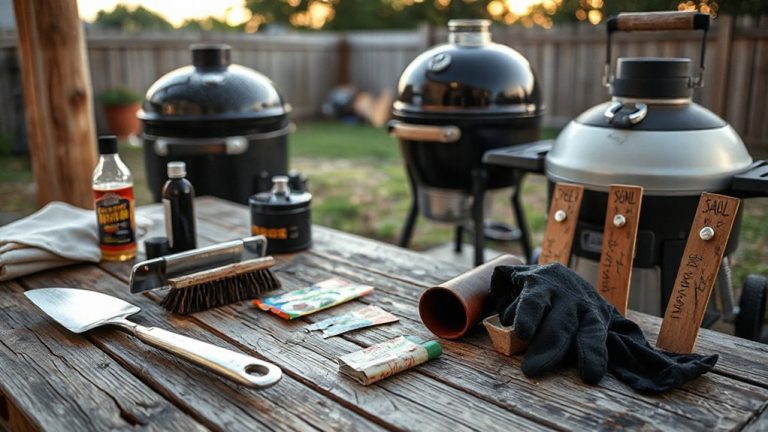
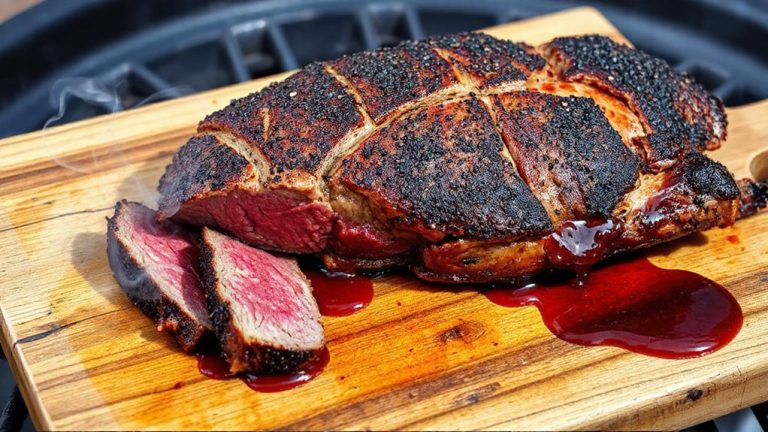
Pick plate short ribs with abundant marbling and stick to USDA Prime or high-end Choice grades for the best bark. Trim the fat cap to ¼ inch and dry the surface well. Apply a sticky rub with coarse salt, pepper, and a touch of brown sugar to build a dark, crisp crust. Smoke low and slow at 225°F using thin blue smoke, then rest 45 to 60 minutes-this locks in juices and firms up the bark. You’ll see how each step shapes the final, flavorful outcome.
Notable Insights
- Choose plate short ribs with abundant fat and connective tissue for superior bark development.
- Trim the fat cap to ¼ inch and remove silver skin to enhance smoke penetration and bark formation.
- Apply a sticky rub with coarse salt, pepper, and brown sugar after using a binder like mustard.
- Smoke at 225°F with clean, thin blue smoke to slowly render fat and build a dark, crisp crust.
- Rest ribs for 45–60 minutes in a dry cooler to retain juices and firm up the bark.
Choose the Best Beef Ribs for Maximum Bark
When you’re aiming for maximum bark on beef ribs, starting with the right cut makes all the difference. Your cut selection directly impacts bark development-look for beef ribs from the plate section, specifically plate short ribs, since they offer abundant connective tissue and fat marbling essential for a robust crust. Avoid lean or chuck-end ribs; they dry out too quickly to form proper bark. Meat grading matters, too: choose USDA Prime or high-quality Choice grades for superior fat content and consistency. These grades guarantee even rendering during the long smoke, promoting bark adhesion without compromising texture. Lower grades often lack the intramuscular fat needed, resulting in a thinner, less flavorful crust. Smart cut selection paired with proper grading gives you a head start-no rub or technique can fully compensate for subpar raw materials. Pick wisely, and you’re halfway there.
Trim and Dry the Rack for Even Smoke Absorption
You’ve picked the right cut-now it’s time to shape it for success. Start by trimming excess fat from the fat cap, leaving about ¼ inch to render during the smoke. Too much fat insulates the meat, blocking smoke absorption and hindering bark development. Use a sharp boning knife for precision. While beef ribs don’t require full bone removal like some cuts, you should clean up loose fragments and silver skin from the underside. This improves surface contact with heat and allows the rub to adhere evenly. After trimming, pat the rack dry with paper towels-moisture is the enemy of bark. A dry surface guarantees smoke adheres properly, promoting deep color and texture. Proper prep-focusing on fat cap management and minor bone removal-sets the foundation for consistent, crusty bark formation across the entire rack.
Use a Sticky Rub That Builds Dark, Crispy Bark
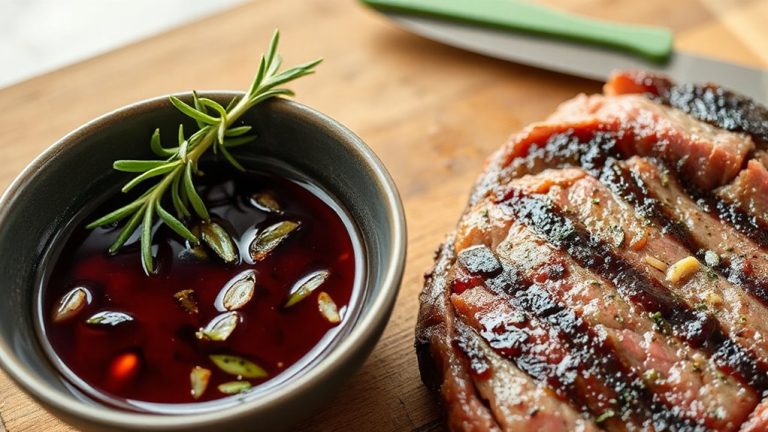
A well-formulated rub isn’t just seasoning-it’s the foundation of great bark. You want a sticky, even layer that bonds with the meat’s surface, promoting smoke absorption and bark formation. Skip dry sprinkles; instead, apply a light binder like mustard or olive oil first. Then press on your rub firmly-this minimizes spice clump and secures uniform coverage. The right mix includes coarse salt, cracked pepper, and a moderate amount of brown sugar to encourage sugar bloom without scorching. Let the rub hydrate on the meat for 30 minutes; this starts osmosis and helps build that deep, crispy crust. For best results, choose a high-quality BBQ rub that balances these key ingredients for consistent performance.
Smoke Low and Slow at 225°F for Tender Meat
Now that your rub is firmly pressed onto the ribs and has had time to meld with the meat’s surface, it’s time to get the smoker going. Set it to 225°F-this low and slow approach is essential for tender, pull-apart meat. At this temp, collagen breaks down gradually without squeezing out moisture, ensuring juiciness from edge to bone. You’ll also promote strong smoke ring development; the nitric oxide from wood smoke binds to myoglobin just below the surface, creating that prized pink layer. Don’t rush it-maintain clean, thin blue smoke to avoid bitter flavors. As the hours pass, fat rendering will accelerate, basting the meat from within and helping form a rich, bark-enhancing pellicle. This balance of texture and depth doesn’t happen fast, but at 225°F, every element works in harmony. Trust the process, monitor the thermal curve, and let time do the heavy lifting. For consistent results, choose a smoker known for stable temperature control and clean smoke output, such as those highlighted in the best smokers for BBQ flavor.
Rest Fully to Lock in Juices and Stiffen the Crust
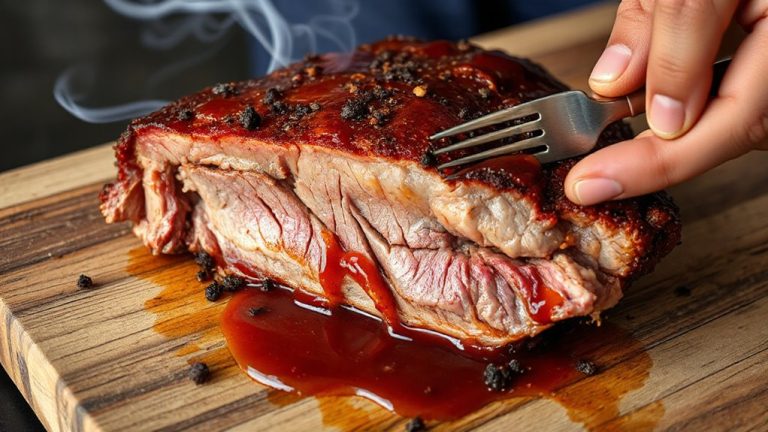
While the aroma of properly smoked beef ribs might tempt you to slice in immediately, letting them rest is just as critical as the cook itself-skip this step and you’ll lose precious juices to the cutting board. During the resting time, carryover heat continues to gently cook the interior while the fibers gradually relax, improving meat texture by retaining moisture. Aim for a minimum of 30 minutes, tented loosely with foil, though 45 to 60 minutes in a dry cooler often yields better results. This pause also allows the bark to stiffen, preserving that crisp, flavorful crust you worked hours to develop. You’ll notice the ribs hold together better when cut, with cleaner slices and richer mouthfeel. Don’t underestimate how much resting time impacts both juiciness and structural integrity-rushing leads to soft bark and dry zones. For competition-level quality, proper rest isn’t optional; it’s essential to maximizing flavor and presentation.
On a final note
You’ve trimmed well, applied a sticky rub, and held steady at 225°F-now that bark is crisp, dark, and packed with flavor. Resting the ribs locks in juices while firming up the crust. Good bark isn’t luck; it’s patience, surface prep, and consistent heat. This method delivers reliable depth and texture, proving low-and-slow isn’t just tradition-it’s science. Master these steps, and your beef ribs won’t just impress-they’ll define great barbecue.