How to Use a Hibachi Grill for Indoor-Like Cooking Outdoors
You can mimic indoor cooking outdoors by choosing a hibachi with thick steel or cast iron for steady heat. Set it up on a flat, safe surface away from flammables, then control the flame like a stove-use high heat for searing, low for simmering. A cast-iron skillet on the grill gives you crispy mac and cheese or golden dumplings. Clean after cooling, reseason, and store covered. You’ll find even more ways to refine your outdoor kitchen setup just ahead.
Notable Insights
- Use a cast-iron skillet on the hibachi to replicate oven broiling for dishes like grilled macaroni with a crisp, bubbly top.
- Adjust airflow with vents to control flame intensity, mimicking stovetop precision for searing, simmering, or frying.
- Place the hibachi on a flat, non-flammable surface at least 10 feet from structures for safe, stable indoor-like cooking.
- Cook with a flat griddle surface to achieve golden crusts on foods like pan-fried dumplings, similar to indoor stovetop results.
- Clean grates after cooling, season with oil, and store covered to maintain performance and prevent rust between uses.
Pick the Right Hibachi for Your Cooking
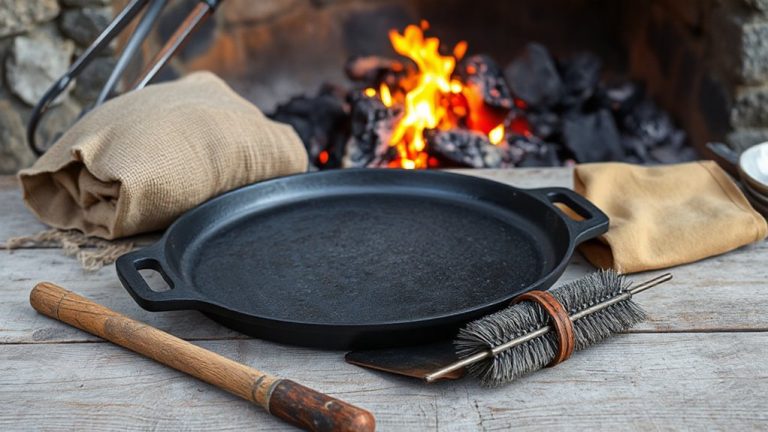
A good hibachi grill makes outdoor cooking simple and enjoyable, but choosing the right one depends on your needs and setup. If you frequently travel or lack permanent space, a model with a portable design is ideal-compact, lightweight, and often foldable, it’s built for mobility without sacrificing durability. Look for thick steel or cast iron construction, as these materials offer superior heat retention, ensuring even cooking and consistent temperatures even in breezy conditions. Though lighter grills heat up faster, they often lose heat quickly, compromising searing ability. Grills with enclosed bases or ventilation control give you better regulation over the fire, enhancing both safety and performance. Consider how often you grill and what you typically cook-larger griddles suit family meals, while smaller units work for quick sears. A well-built hibachi balances portability with thermal efficiency, giving you restaurant-quality results outdoors. Top hibachi grills deliver consistent performance across various cooking scenarios.
Set Up a Backyard Cooking Zone
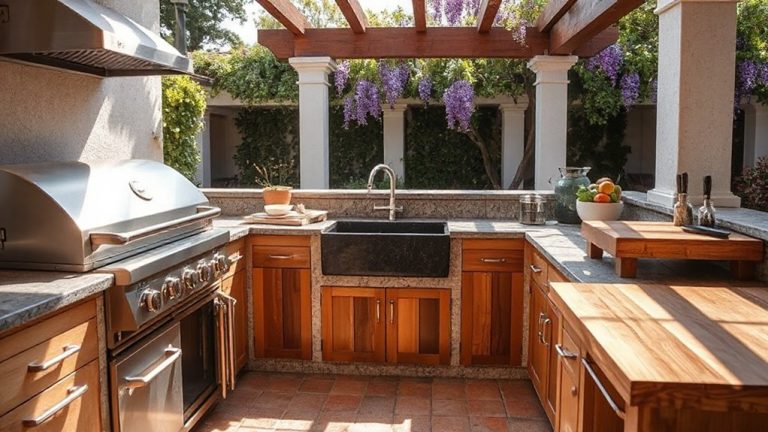
You’ve picked a hibachi that fits your cooking style and mobility needs, so now it’s time to establish a dedicated spot in your yard where grilling feels seamless and safe. Choose a flat, non-flammable surface like stone or concrete, at least 10 feet from structures or overhanging branches. Position the grill near a prep area-consider a foldable table for utensils and ingredients-to streamline workflow. Integrate backyard lighting with soft, functional fixtures to extend evening use and enhance visibility. String lights or low-voltage path lamps add warmth without glare, shaping a cozy cooking ambiance. Avoid placing the setup in high-traffic zones to minimize disruptions. Include a nearby fire extinguisher and keep the area free of debris. A well-organized zone doesn’t just improve safety-it transforms outdoor cooking into a consistent, enjoyable ritual rooted in practical design.
Control the Flame Like a Stovetop
Most backyard cooks underestimate just how much control a hibachi offers compared to larger grills, but once you treat the flame like a stovetop burner, precision becomes second nature. With proper flame modulation, you can shift quickly between searing and gentle cooking, mimicking indoor results. The compact design enhances heat distribution, ensuring even temperatures across the griddle or grill grate. Adjust airflow using the vents to fine-tune intensity-ideal for delicate tasks like sautéing or maintaining a steady simmer. Choosing the right charcoal grill type can significantly impact your ability to maintain consistent heat and control during cooking.
| Setting | Use Case |
|---|---|
| High flame | Searing meats, stir-frying |
| Medium flame | Cooking vegetables evenly |
| Low flame | Keeping food warm, melting cheese |
This level of control elevates outdoor cooking beyond standard grilling, offering performance that’s both versatile and reliable when managed with attention.
Cook Indoor Comfort Foods on the Hibachi
Think comfort food, and the hibachi becomes your open-air kitchen-no indoor stove required. You can easily sear grilled macaroni in a cast-iron skillet placed directly over the adjustable flame, achieving a crisp top layer while keeping the center creamy. The even heat distribution mimics oven broiling, ideal for browning and bubbling. For pan fried dumplings, use a flat griddle surface to attain that signature golden crust through consistent contact heat. The hibachi’s compact design allows precise temperature control, letting you replicate stovetop frying without flare-ups. Unlike larger grills, it offers focused, direct heat that works well for delicate tasks like crisping wrappers or stirring delicate cheeses. Grilled macaroni retains its rich texture, while pan fried dumplings come out with a satisfying snap. With proper fuel management, the hibachi handles comfort dishes reliably, merging the ease of indoor cooking with the smoky depth of outdoor grilling.
Keep Meals Hot From Grill to Table
How do you preserve that just-grilled warmth when moving food from a hibachi to the table? Proper heat retention starts with the right tools. Use insulated serving trays or pre-warmed plates to maintain serving warmth, especially during cooler evenings. Cast iron platters or ceramic dishes absorb and hold heat well, delaying temperature drop. Cover foods loosely with foil-this traps steam and heat without making items soggy. If serving in courses, keep later portions on the warm side of the grill, where residual heat aids heat retention without overcooking. Avoid crowding items, as tight packing can cause uneven cooling. Thoughtful timing also helps: coordinate grilling with seating so dishes arrive hot. These methods aren’t flashy, but they’re proven. For outdoor cooking that truly mirrors indoor comfort, maintaining serving warmth is essential-it completes the experience and shows attention to detail.
Clean and Maintain Your Hibachi Grill
After each use, cleaning your hibachi grill guarantees it stays in top condition for reliable performance and longevity. You should let the grill cool slightly, then wipe away food debris and excess grease with a damp cloth or brush. For tougher residue, a mild soap solution works well-just rinse thoroughly and dry immediately to support rust prevention. Periodically, inspect the hinges, handles, and cooking surface for wear. If your hibachi is made of cast iron or steel, maintaining proper grill seasoning is essential: coat the surface with a thin layer of oil after cleaning to preserve non-stick qualities and prevent corrosion. Store your grill under a cover or indoors when not in use, especially in humid or rainy climates. Consistent maintenance not only improves cooking results but also extends the grill’s lifespan, ensuring even heat distribution and flavor retention over time.
On a final note
You’ve seen how a hibpacked grill brings stovetop precision outdoors, and it delivers. With steady heat control and compact design, it’s ideal for searing proteins or simmering sauces. Proper setup and maintenance guarantee consistent performance, making backyard meals efficient and flavorful. Unlike bulky smokers or gas grills, the hibachi offers responsive cooking akin to indoor ranges. For those seeking versatility without sacrificing space, it’s a practical, durable choice worth mastering.