Regional Guide to Memphis Dry Rub BBQ Seasoning Traditions and Variations
You’ll find Memphis dry rubs rely on smoke and precise spice blends rather than sauce, building flavor through layers of smoked paprika, black pepper, garlic, and a touch of brown sugar for caramelization. The balance leans toward savory heat, with regional twists-South Memphis brings more fire, while the north favors subtle sweetness. Each rub reflects generations of pit mastery, and there’s a lot to uncover about how these traditions shape every bite.
Notable Insights
- Memphis dry rubs emphasize seasoning and smoke over sauce, creating a crust that locks in moisture during slow cooking.
- Core spices include smoked paprika, cayenne, black pepper, garlic and onion powders, and a touch of brown sugar for balance.
- Regional variations exist: South Memphis favors spicier rubs, while Northside pits prefer sweeter profiles influenced by Germanic traditions.
- Iconic pits like Rendezvous, Central BBQ, and Coyote Corner each craft signature blends with distinct textures and flavor depths.
- Recipes are deeply cultural, passed through generations, with spice balance and coarseness reflecting neighborhood and family heritage.
Why Memphis Dry Rub Stands Apart
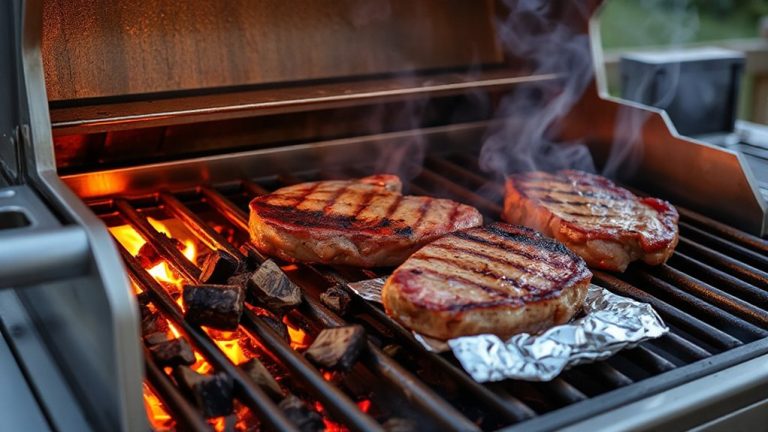
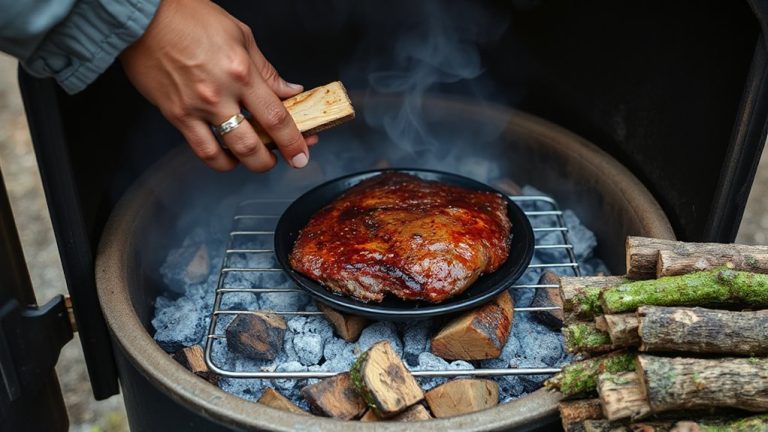
While some BBQ styles rely heavily on sauce to carry flavor, Memphis dry rub sets itself apart by letting the seasoning and smoke do the talking. You’ll notice right away how the dry rub clings to the meat, forming a seasoned crust that seals in juices while absorbing slow, low heat. This method isn’t just about taste-it’s a reflection of cultural heritage, passed down through generations who valued patience and craftsmanship. Unlike saucy variants that mask meat quality, the Memphis style demands precision and high-grade cuts. Your palate detects subtleties in every bite, from smokiness to spice balance, showcasing regional pride in every batch. Pitmasters here treat rub application like ritual, adjusting for texture and smoke absorption. It’s not flash or gimmicks-it’s proven technique. When you cook Memphis-style dry rub, you’re not just preparing food; you’re honoring tradition, one careful step at a time. Choosing the right blend is crucial, and many top pitmasters rely on the best meat rubs for smoking to achieve authentic results, often selecting from top picks and buying guides that highlight quality ingredients and regional accuracy.
The Essential Spices in a True Memphis Rub
You can taste the difference a well-balanced spice blend makes when it’s been rubbed into thick-cut ribs and slow-smoked for hours. A true Memphis dry rub relies on a precise mix where smoked paprika depth forms the backbone, lending a rich, earthy tone that enhances the meat without overpowering it. You’ll find cayenne heat present but measured-just enough to tingle, not overwhelm. Coarse black pepper adds sharpness, while garlic powder and onion powder contribute savory layers that meld seamlessly during the smoke. The salt content is calibrated to draw moisture and form a crust, not to dominate. Brown sugar plays a role, but here it’s subtle, letting the spices lead. When applied properly, the rub clings evenly, creating a bark that crackles slightly under pressure. This isn’t guesswork-it’s seasoned judgment, honed over smoky hours and countless racks. For 2025, best BBQ rubs continue to emphasize balanced profiles ideal for authentic Memphis-style seasoning.
Sweet or Spicy? How Memphis Balances Its Rub Flavors
What makes a Memphis rub sing-sweetness or spice? You’ll find the magic in the flavor balance. While some regions lean heavy into sugar or fire, Memphis pits the two against each other just enough to create harmony. Brown sugar adds depth and promotes caramelization on the grill, but it’s never overwhelming. You control the heat level with paprika and cayenne-present, but not punishing. A well-made rub feels complex: smoky, slightly sweet, with just a whisper of burn that fades clean. This balance lets the meat shine without drowning it. Too much spice overpowers; too much sugar burns fast under high heat. Memphians know this dance. They craft rubs that sear beautifully on ribs or shoulders, forming a crusted bark that’s bold but not one-note. The best dry rubs don’t shout-they linger, each bite revealing new layers. For those looking to explore authentic blends, consider trying one of the Top Seasoning Picks recommended for their balanced profiles.
Famous Memphis BBQ Spots and Their Signature Rub Twists
A handful of legendary pits define Memphis barbecue, each guarding a dry rub recipe that’s equal parts tradition and personal flair. When you hit Central BBQ, their blend delivers a smoky sweetness balanced with cracked pepper, clinging tight after slow hickory smoke. At Charlie Vergos’ Rendezvous, the rub’s coarse texture and hint of cayenne create rubbed perfection-minimal sugar, maximum bite, ideal for ribs so tender they pull apart with a glance. You’ll find Coyote Corner leaning bolder, their spice mix kissed with coffee and cocoa for depth that lingers. Each spot stakes its claim not just on meat quality but rub precision-coarseness, sugar ratio, smoke integration. These aren’t accidental seasonings; they’re calculated, tested over years of pits running daily. You taste the intention: layered spice, texture that holds, and a finish that doesn’t overpower. That’s how Memphis defines smoked excellence-one rub at a time.
How Local Traditions Influence Rub Recipes Across Memphis
While the heat of the pit and the cut of the meat play essential roles, it’s the cultural fabric of Memphis neighborhoods that really shapes the character of each dry rub. You’ll notice how cultural heritage infuses spice blends with deeper meaning-Caucasian, African American, and Creole influences all leave their mark. Generational techniques pass down through families, with each cook guarding their balance of paprika, garlic, and cayenne like a closely held secret. In South Memphis, rubs often carry more heat, reflecting working-class roots and backyard cookouts steeped in tradition. Northside pits favor sweeter profiles, echoing Germanic seasoning preferences. These aren’t accidental differences; they’re deliberate expressions of identity and place. When you taste a rub, you’re not just tasting spice-you’re tasting history, pride, and community. The best blends evolved through decades of adjustment, tested in smoke and shared meals.
Make Your Own Memphis Dry Rub: A Step-by-Step Guide
You’ve tasted the history behind Memphis dry rubs-how neighborhood roots and family traditions shape every bold, balanced blend-and now it’s time to bring that legacy into your own kitchen. Start with equal parts paprika, brown sugar, and kosher salt, then add garlic powder, onion powder, black pepper, cayenne, and a touch of celery seed for depth. Use consistent mixing techniques: sift the ingredients first, then blend thoroughly in a bowl to guarantee even distribution. This isn’t just tossing spices together-it’s precision work that affects flavor transfer and bark development on meat. For homemade storage, use an airtight glass jar and keep it in a cool, dark place. Properly stored, your rub stays potent for up to six months. You’ll notice fresher aroma and sharper taste compared to store-bought versions. Making your own means control over heat, sweetness, and salt-key for authentic Memphis-style ribs grilled or smoked low and slow.
On a final note
You’ve seen how Memphis dry rub blends tradition with personal flair, balancing sweet, savory, and spice with precision. Its regional pride shows in every seasoning mix, from backyard grills to iconic smokehouses. You’ll find consistency in core spices, yet variation rewards exploration. When crafting your own, ingredient quality and proper storage directly affect performance. This isn’t just seasoning-it’s a calculated expression of flavor, tested over heat and time.