Using Cast Iron on a Campfire: Seasoning and Cleaning Tips
Season your cast iron with oil to build a durable, nonstick surface that thrives over campfire heat. Cook on steady embers, not flames, for even results and superior searing. Clean while warm using sand or a cloth with oil-never soap-to preserve seasoning. Fix rust with steel wool and re-season over fire. Store dry with a light oil coat. Proper care guarantees reliable performance in the wild, trip after trip. You’ll discover even greater advantages with consistent use and maintenance.
Notable Insights
- Season your cast iron by heating oil to create a natural nonstick, rust-resistant surface through polymerization.
- Cook over glowing embers, not flames, for even heat and optimal searing performance.
- Clean while warm using sand or gravel as abrasive, avoiding soap to preserve seasoning.
- Repair rust or scratches with steel wool, then re-season over fire to restore protection.
- Store dry with a light oil coat in a breathable container to prevent moisture and rust.
Season Your Cast Iron for Campfire Cooking
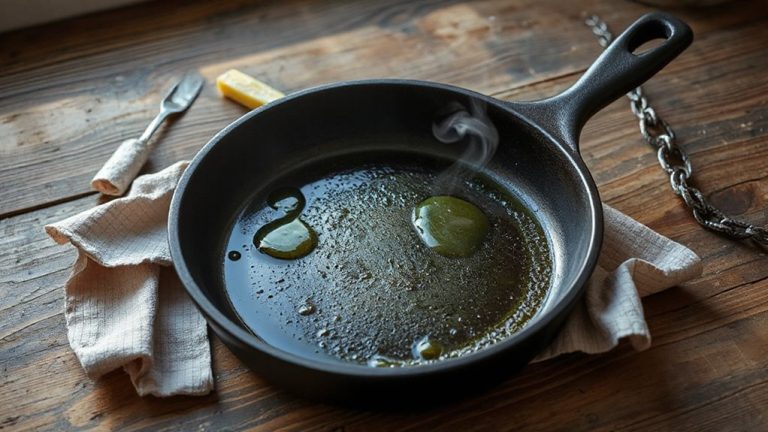
A well-seasoned cast iron skillet doesn’t just resist rust-it builds a natural nonstick surface that makes cooking over an open flame far more predictable and effective. You’ll notice how evenly it distributes heat, thanks to its excellent heat retention, holding temperature steady even when food hits the pan. This consistency means fewer burnt spots and more control while searing meats or simmering sauces. Over time, each layer of seasoning enhances flavor enhancement, subtly enriching your dishes with a depth you can’t get from stainless or nonstick pans. That’s especially true outdoors, where variables like wind and flame fluctuate. Proper seasoning creates a protective barrier, bonding oil to metal through polymerization-a process repeated heating and cooling strengthens. You’re not just maintaining a tool; you’re improving it. Skip seasoning, and you’ll fight sticking, uneven cooking, and rust. Do it right, and your skillet becomes a reliable partner in campfire cooking, performing as well as any high-end grill-provided you care for it.
Cook Cast Iron Over Fire Like a Pro
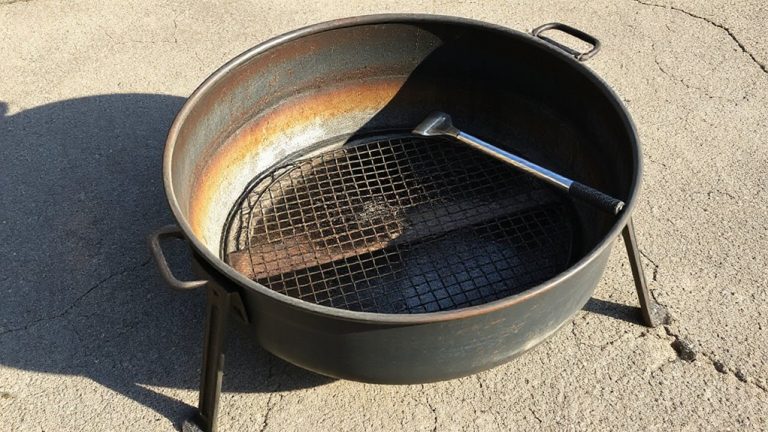
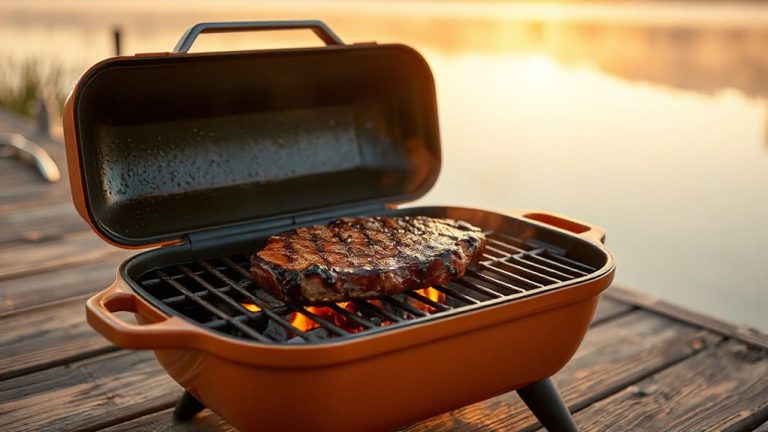
You’ve seasoned your cast iron right-now it’s time to get it over the fire and see how it performs. Cast iron excels with steady heat control, holding and distributing warmth far better than most camp cookware. Position your skillet on a stable grate, letting coals build underneath for consistent, even cooking. Avoid direct, roaring flames-they cause hot spots and uneven results. Instead, use glowing embers to maintain a steady temperature, ideal for searing steaks or browning cornbread. You’ll notice how well it retains heat, adapting smoothly whether you’re frying eggs or simmering chili. Unlike thin pans that warp, cast iron handles outdoor conditions with durability and precision. With proper placement and ember management, you’ll achieve restaurant-quality results in the wild. It’s not just functional-it’s the best choice for dependable, high-performance campfire cooking when you demand reliability and flavor. For optimal results, pair your cast iron with a campfire grill grate designed to stabilize cookware over uneven flames.
Clean Cast Iron Without Soap in the Wild
While maintaining your cast iron’s seasoning is critical, cleaning it properly in the wild means skipping soap entirely-something that might seem counterintuitive but makes sense when you consider how soap can strip away the polymerized oil layer you’ve built up. Instead, after your cook, use residual campfire heat to burn off stuck-on food; let the skillet cool slightly, then scrape away burning residue with a stick or metal tool. For tougher grime, sprinkle sand or fine gravel-natural abrasives that scrub without damaging the surface. Wipe clean with a cloth or paper towel dampened with a touch of oil, never cold water, which risks warping and rust. This method preserves seasoning while staying effective. Though slower than dish soap, it’s proven in rugged conditions. You’ll find it keeps performance consistent over time, especially when repeated regularly. Trust the process-your cast iron will respond with better non-stick behavior and longevity on future trips.
Fix Rust and Scratches in the Field
Rust and scratches aren’t just cosmetic flaws-they’re direct threats to your cast iron’s performance, especially when cooking over an open flame where even small damage can compromise heat retention and non-stick capability. You need immediate rust removal and scratch repair to keep your pan functional. Use steel wool or a stiff brush to scrub rust down to bare metal-don’t worry, you’re in the wild, not a museum. For deeper scratches, smooth edges with a stone or sandpaper to prevent food snagging. Re-season quickly with oil and heat to seal the surface. A well-maintained cast iron cookware performs reliably even in the harshest outdoor conditions.
| Method | Best For | Field Feasibility |
|---|---|---|
| Steel wool | Rust removal | High |
| Sandstone | Scratch repair | Medium |
| Fire re-season | Both | High |
| Oil rub | Protection boost | Easy |
Store Cast Iron Properly Between Trips
A well-maintained cast iron’s longevity hinges on proper storage as much as on careful use over the fire. After cleaning and drying it thoroughly, you should store your skillet in a dry place to guarantee moisture prevention. Avoid stacking other cookware inside it, as that can chip the seasoning or trap humidity. If you’re storing it long-term, a light coat of oil helps, but don’t leave it tightly sealed in plastic-this can encourage condensation. Instead, use a breathable cloth or towel-lined cabinet. Proper storage isn’t just about space; it’s about creating a stable environment that discourages rust. Even seasoned cast iron reacts poorly to damp basements or humid garages. Think of your skillet like a tool that needs care between uses, not just during. Consistent moisture prevention and smart placement mean it’ll heat evenly and last decades, not years.
Why Cast Iron Beats Other Cookware Outdoors
You’ve taken the time to clean and store your cast iron right, keeping it dry and protected between trips-now let’s talk about why that effort pays off when you’re cooking outside. Cast iron outperforms most cookware in outdoor settings, thanks to superior heat retention and a durability advantage few materials match. It holds heat evenly over open flames, reducing hot spots and preventing scorching-ideal for searing steaks or simmering chili. Unlike thin aluminum or enamel-coated pans, it withstands direct fire and rocky surfaces without warping or cracking. Drop it? It might survive with a scratch, not a dent. With proper seasoning, it resists rust and improves over time. While heavier than alternatives, its long-term performance outweighs the extra ounces in your pack. Whether you’re on a campfire grate or nestled in coals, cast iron delivers consistent results, making it a trusted choice for seasoned outdoors cooks who value reliability over convenience.
On a final note
You’ve seasoned it right, cooked over coals with control, cleaned it without soap, and stored it to prevent rust-now your cast iron is ready for any outdoor adventure. It retains heat better than aluminum, builds flavor over time, and outlasts flimsy alternatives. With proper care, it performs reliably, whether you’re searing steaks or simmering stews over a campfire. This durability, combined with its cooking precision, makes cast iron the best choice for serious outdoor cooks who value function, flavor, and long-term reliability in the wild.