Choosing the Right Type of Wood Chips Based on Seasonal Flavors You Want To Create
You should match your wood chips to the season’s flavors for the best results. In spring, go for apple or cherry to gently enhance chicken or vegetables without overpowering delicate notes. Summer calls for fruity blends like mango or citrus-infused woods that elevate grilled seafood and skewers. Come fall, use hickory or maple with pork and brisket to complement rich, spiced profiles. Winter demands boldness-opt for hickory, mesquite, or oak to stand up to slow-cooked meats and hearty dishes. Choosing the right wood isn’t just about smoke-it’s about harmony with what’s in season, and there’s more to get right than most think.
Notable Insights
- Match mild fruitwoods like apple or cherry to delicate spring ingredients such as chicken and vegetables for subtle, floral smoke notes.
- Use tropical or citrus-infused wood blends in summer to enhance grilled seafood, poultry, and veggie skewers with sweet, zesty complexity.
- Choose hickory and maple in fall for rich, slow-smoked pork and brisket, complementing seasonal spices like cinnamon and clove.
- Opt for bold hardwoods like mesquite and red oak in winter to impart deep smokiness to hearty meats such as short ribs and game.
- Align wood intensity with seasonal food profiles-mild for spring greens, bold for winter roasts-ensuring smoke enhances, not overwhelms.
Best Seasonal Wood Chips for Spring
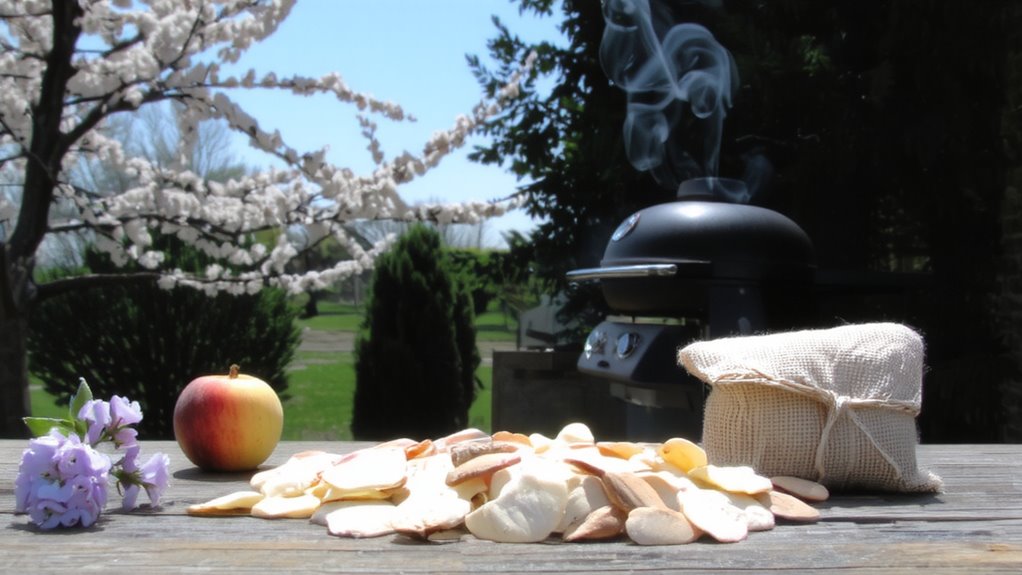
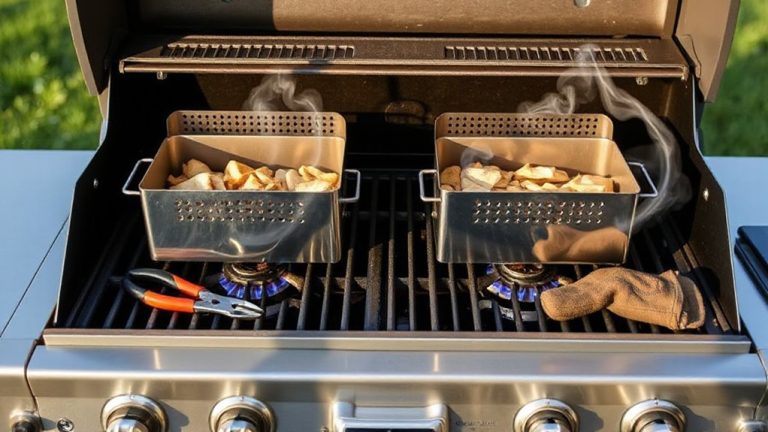
Why settle for ordinary when spring’s delicate flavors can elevate your barbecue game? You’re aiming for subtlety now-meats like lamb, chicken, or vegetables deserve a lighter touch. Opt for fruitwoods like apple or cherry; they deliver a gentle smoke that enhances, not overwhelms. These woods pair beautifully with floral infusions and garden herbs, whether you’re tossing rosemary on the grill or garnishing with blooming thyme. Their aromatic profiles mingle seamlessly, creating layers of fresh, nuanced flavor. Avoid dense hardwoods-they’re too aggressive this season. Instead, choose chips that have been properly dried and stored, ensuring clean burn and consistent smoke. You’ll notice the difference in both aroma and taste: brighter, cleaner, and perfectly balanced. Spring grilling isn’t about boldness; it’s finesse. With the right wood, your barbecue becomes a celebration of renewal, capturing the season’s essence in every bite. For best results, consider using wood chips specifically labeled for smoking, as they are cured to optimize flavor and burn consistency.
Seasonal Wood Chips for Summer Grilling
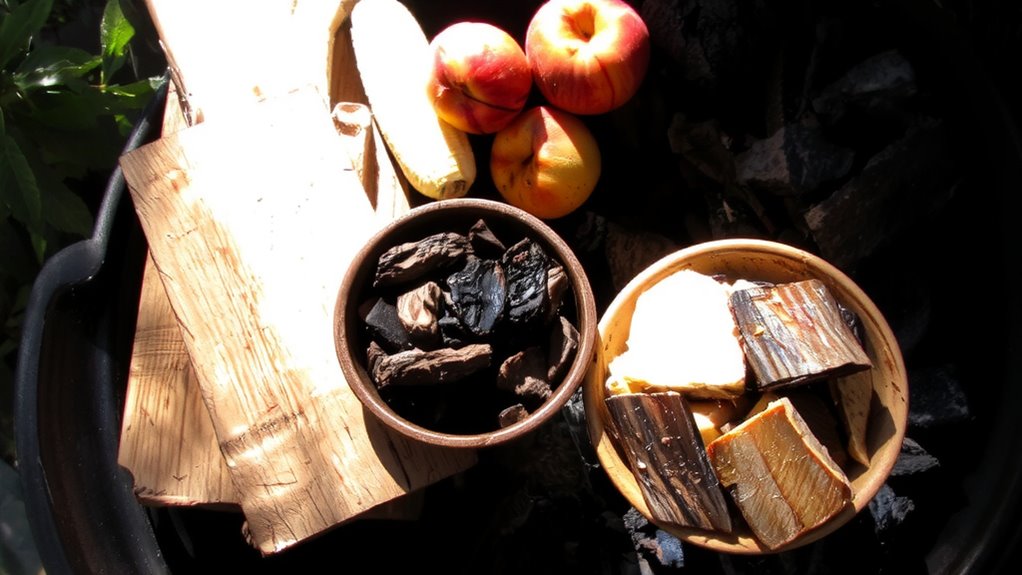
What makes your summer cookouts stand out? It’s the wood chips you choose-light, aromatic varieties that complement warm-weather foods. For peak summer flavor, consider a tropical fruit infusion blend, combining apple, cherry, or mango wood. These chips offer a sweet, subtle smokiness perfect for seafood, poultry, or veggie skewers. Their mild profile won’t overpower delicate dishes, ensuring clean, bright notes with each bite. Another top pick is the citrus pekoe blend-often a mix of orange, lemon, and tea-smoked woods-which adds a zesty, slightly floral complexity. It pairs exceptionally well with grilled shrimp or citrus-marinated chicken, enhancing natural sweetness without bitterness. Unlike heavier hardwoods, these summer-friendly chips burn cleanly at high grilling temperatures, reducing acrid smoke. You’ll get consistent flavor and better control, especially on quick-cooking items. Choose wisely, and your summer grill sessions won’t just feed people-they’ll impress. For the best results, try pairing these flavors with best wood chips for smoking chicken.
Fall Meat and Wood Pairings: What Works
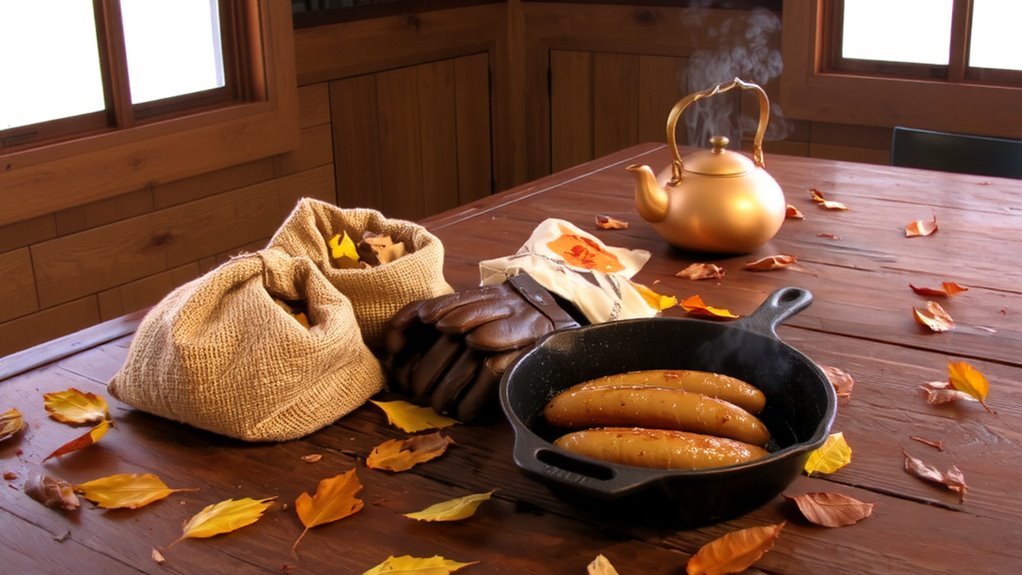
As summer’s bright, fruity smoke gives way to crisp evenings and earthier appetites, your wood choices should shift to match the heartier proteins now taking center stage. You’ll find hickory and maple ideal for smoking pork shoulder or brisket-hickory delivers bold, smoky depth without overwhelming, while maple adds a subtle sweetness that complements fall’s warm spice palette. Pair smoked turkey with apple wood, and you’ll capture the essence of apple cider in every bite-mild, fruity, and delicately aromatic. For ribs, try blending oak with a touch of pecan to mirror the nuttiness in pumpkin spice desserts, enhancing the meat without duplicating the rub. These woods burn steadily at lower temps, essential for long fall smokes. Avoid overly pungent options that clash with seasonal flavors. Instead, balance smoke intensity with the natural richness of autumn ingredients-your palate will recognize the harmony. Choosing the right wood involves understanding the flavor profiles each type imparts, and consulting a detailed buying guide can help match woods to your desired outcome.
Winter Smoking Guide: Bold Wood Choices
When the air turns sharp and your smoker becomes a winter workhorse, you’ll want woods that hold their own against the season’s rich, slow-cooked fare. You need bold varieties that deliver serious smoky intensity-think hickory, mesquite, and red oak. These hardwoods burn slow and hot, ideal for long smokes when temperatures drop. They produce rich aromas that cling to dense meats like brisket, pork shoulder, and short ribs, enhancing depth without overpowering. Apple or cherry wood still have a place, but mix them with stronger partners to maintain balance. Mesquite brings a sharp, earthy punch, but use it sparingly-it can dominate. Hickory remains a winter favorite, offering a bacon-like robustness that pairs well with savory rubs and dark spices. Seasoned wood chunks work better than chips in cold weather, sustaining consistent heat and flavor. For dependable performance and layered taste, stick to dense, dry hardwoods. They won’t quit when the wind howls.
How Seasonal Ingredients Shape Your Wood Choice
You’ve got your bold woods lined up for winter-hickory, mesquite, red oak-ready to stand up to low temps and heavy meats. But don’t overlook how seasonal ingredients shape your wood choice. Hearty winter root vegetables and game meats can handle intense smoke, so you lean on wood freshness to deliver consistent flavor intensity. As seasons shift, so should your approach. Spring greens and delicate fish need milder chips-think apple or cherry-where fresh wood guarantees subtle, not overpowering, notes. Summer fruits and poultry pair beautifully with citrus or almond wood, their slight sweetness enhancing natural flavors without masking them. Even wood storage matters: damp or aged chips burn unevenly, reducing smoke quality and weakening impact. You’ll notice fresher chips ignite easier and produce cleaner vapor, which directly influences flavor intensity. Matching wood to in-season ingredients isn’t just poetic-it’s practical science that optimizes taste, texture, and smoke penetration every time you fire up the grill.
Common Seasonal Wood Pairing Mistakes
Though you might be tempted to stick with last winter’s bold hickory or mesquite for spring cookouts, using heavy-smoking woods with delicate seasonal fare like asparagus or trout often overwhelms the dish instead of enhancing it. Overcooking woods is another common misstep-burning chips too long or at too high a heat creates acrid, bitter smoke that ruins subtle flavors. Ignoring moisture levels also leads to poor results; overly dry chips ignite too fast, while soaking them improperly causes steaming instead of proper smoke development. You’re better off using fruitwoods like cherry or apple in spring and summer-they complement lighter meats and vegetables without dominating. For fall, gradually reintroduce stronger smokes like walnut or oak, but still monitor burn time and chip dampness. Matching wood intensity to the season’s ingredients-and paying attention to how you prepare and burn the chips-makes all the difference in achieving clean, layered smoke rather than harsh, one-note results.
On a final note
You’ll get the best results by matching wood chips to both the season and ingredients. Lighter woods like apple or cherry enhance spring’s delicate flavors, while summer’s bold grilled meats thrive with hickory or oak. Fall and winter call for robust smokes-pecan or mesquite add depth. Choosing thoughtfully guarantees balanced flavor, avoiding overpowering or under-seasoning. Ultimately, aligning wood with seasonal cooking conditions and available foods improves consistency, complexity, and overall grilling success.