Master the Art of Smoking Meat With a Vertical Water Smoker
You’re set up for success with your vertical water smoker when you place it on a level, non-flammable surface and shield it from wind. Trim your meat properly, season well, and let it rest before smoking. Choose fruitwood for poultry, hickory or mesquite for beef, and keep your fire steady between 225°F and 250°F using damper control. Fill the water pan with hot water to stabilize temperature and add moisture. Thin or thick smoke? Adjust airflow and add water as needed. Master these fundamentals, and you’ll achieve tender, flavorful results every time-there’s still more to fine-tune for consistent perfection.
Notable Insights
- Position your vertical water smoker on a level, non-flammable surface near a windbreak for consistent temperature control.
- Trim meat to retain some fat, then brine and season well ahead to enhance flavor, moisture, and smoke absorption.
- Match wood type to protein-use fruitwoods for poultry, hickory or mesquite for beef, and oak for pork.
- Maintain 225°F to 250°F by adjusting dampers, keeping the lower vent 1/4 open and upper vent slightly open.
- Use a water pan filled with hot water to stabilize temperature, add humidity, and prevent drying during long smokes.
Start With Your Vertical Water Smoker for Easier BBQ
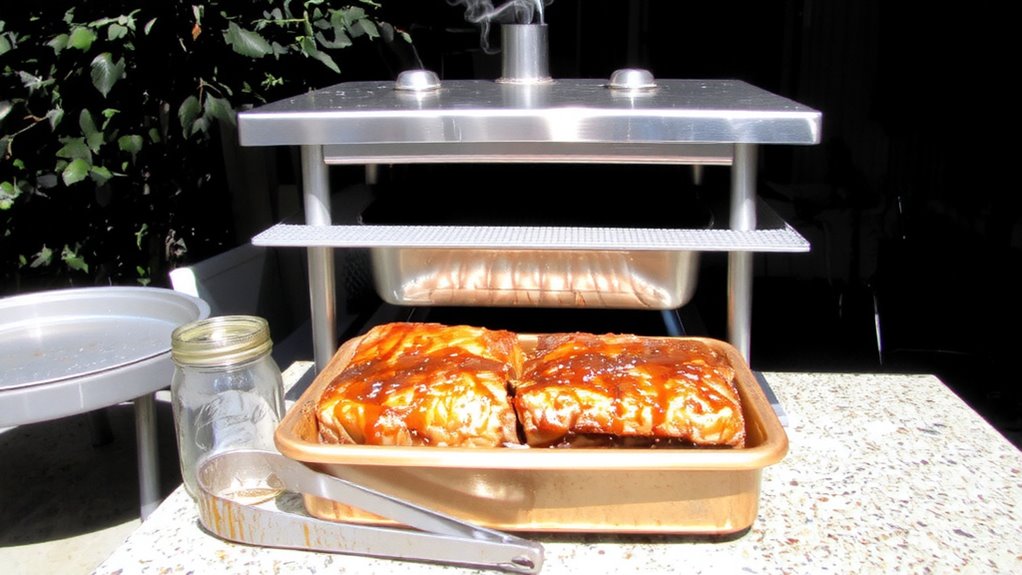
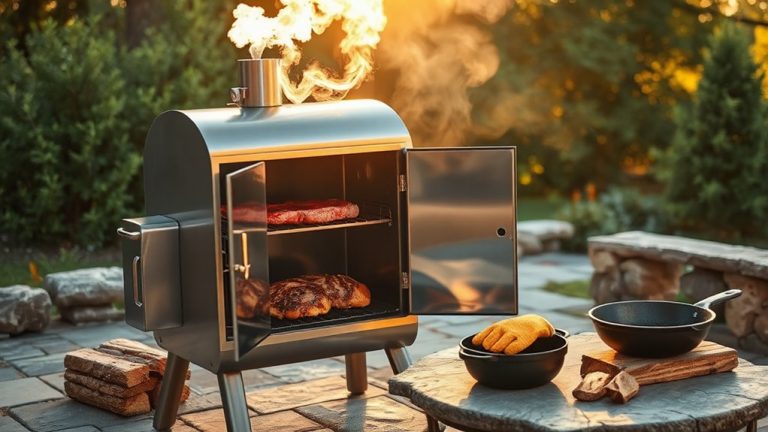
A vertical water smoker isn’t just another piece of backyard gear-it’s your ticket to consistent, hands-off barbecue with real flavor. You’ll appreciate how its upright design saves space while delivering even heat circulation. For best results, consider smoker placement: set it on a level, non-flammable surface away from decks and overhangs, ensuring proper airflow and safety. Positioning it near a windbreak helps maintain stable temperatures, especially on breezy days. Fuel storage matters just as much-keep your charcoal or wood chips in a dry, covered area nearby so they’re ready when needed. A well-organized setup means fewer mid-smoke trips and less guesswork. These smokers aren’t high-tech, but their simplicity works in your favor. With smart placement and prepared fuel storage, you’re setting yourself up for steady performance, minimal hassle, and genuinely flavorful results every time.
Prep Meat for Juicy, Smoky Results
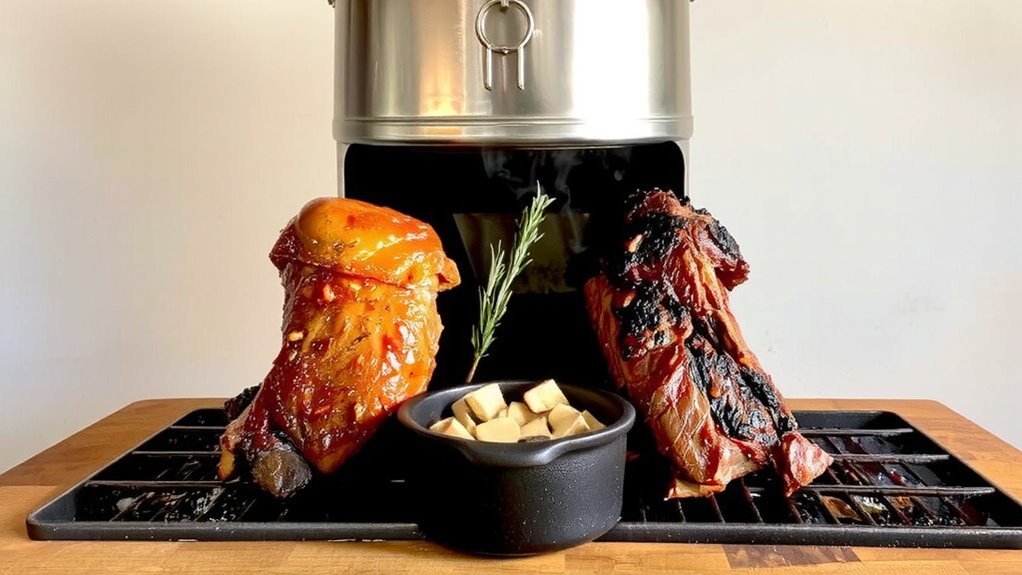
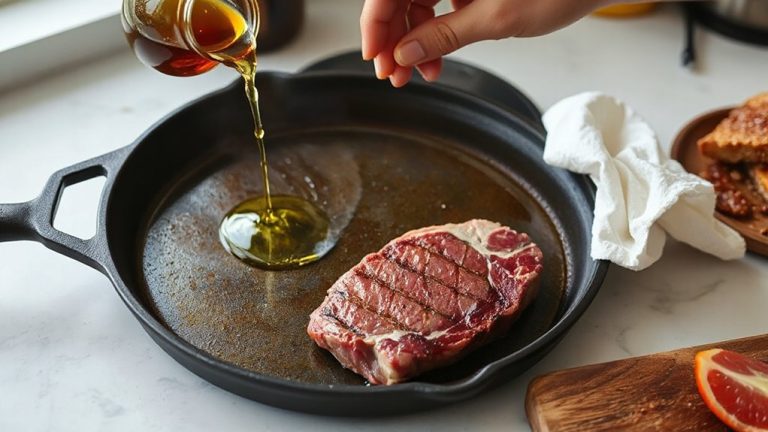
You’ve got your vertical water smoker set up right-placed on level ground, shielded from gusts, with dry fuel within reach-so now it’s time to turn your attention to what really defines great barbecue: the meat. For juicy, smoky results, start by trimming excess fat while leaving enough to baste during cooking. Brine properly using a balanced solution of salt, sugar, and spices to enhance moisture retention and boost flavor penetration. Larger cuts like brisket or pork shoulder benefit most. Season generously, allowing the rub to meld with the meat’s surface. Then, let it rest thoroughly-ideally 30 minutes at room temperature-ensuring even cooking and improved heat distribution. Prepped meat enters the smoker more stable, leading to consistent smoke absorption and a better crust. Proper prep isn’t just routine; it’s the foundation of tender, flavorful barbecue. Skipping it risks dry, uneven results no smoker can fix. For convenience and consistent flavor, consider using a turkey brine kit designed to deliver optimal results with minimal effort.
Pick the Best Wood for Your Protein
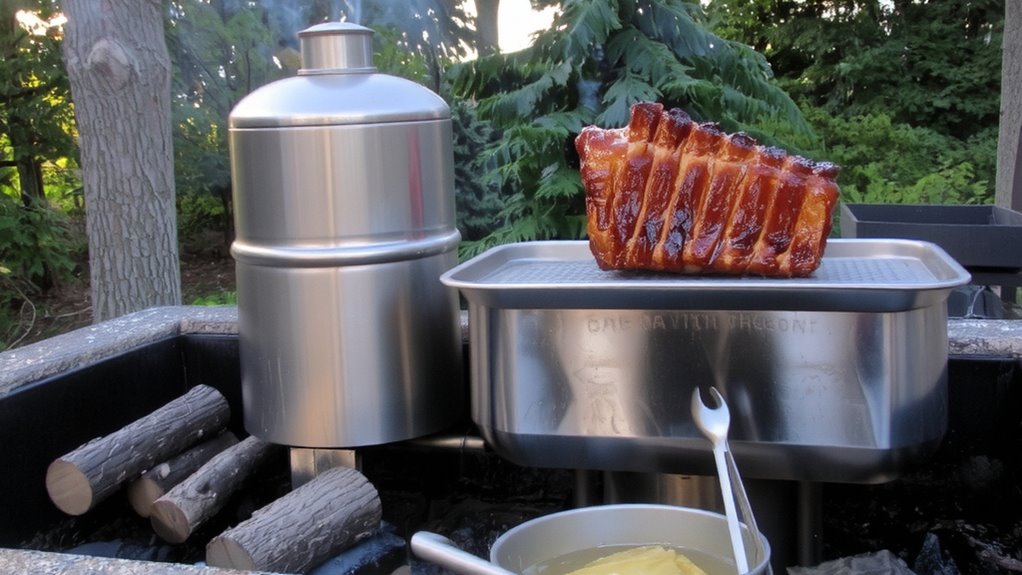
Match your wood to the meat like a sommelier pairs wine-because the right smoke elevates flavor, while the wrong one overwhelms it. You need to take into account wood characteristics and the flavor profiles they bring to your protein. Mild meats like chicken or fish pair best with fruitwoods-apple or cherry add a subtle, sweet smoke without dominating. For beef or game, go bold with hickory or mesquite; they deliver a strong, robust character that stands up to rich textures. Oak is your versatile middle ground-steady and balanced for pork or sausages. Wet or green wood creates harsh smoke, so always use properly seasoned hardwood. The moisture in your smoker’s water pan tempers the heat, but the wood choice defines the taste. Blending woods? Sure, but do it thoughtfully-aim for harmony, not chaos. Your protein deserves a smoke that complements it, not masks it. For more guidance on selecting the ideal type, check out the best smoking wood picks based on flavor intensity and meat pairing.
Maintain Steady Heat in Your Smoker
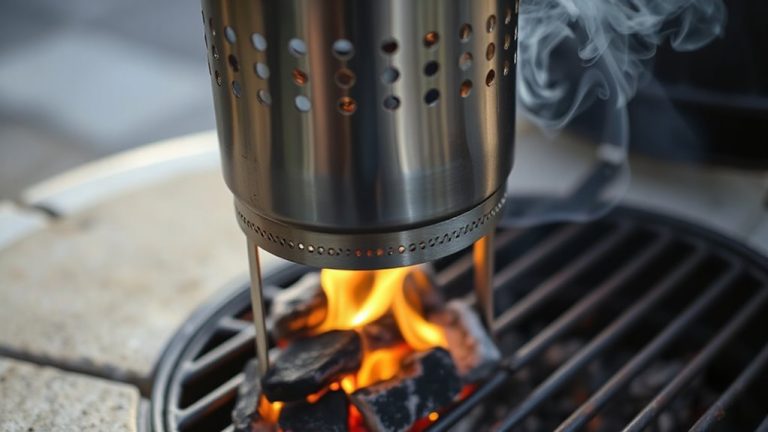
Though temperature control might seem like a background task, it’s actually the backbone of successful smoking-because even the best wood choice won’t save your brisket if the heat swings wildly. Heat consistency separates decent smoked meat from exceptional. To maintain steady temperatures, especially between 225°F and 250°F, airflow management is critical. Open vents too wide, and you’ll overheat; close them too much, and smoke stagnates. Use your smoker’s dampers to fine-tune oxygen flow, which directly affects burn rate and thermal stability.
| Adjustment | Effect on Smoker |
|---|---|
| Upper vent open slightly | Controls smoke exit and internal pressure |
| Lower vent 1/4 open | Regulates oxygen, stabilizing fire |
| Both vents adjusted gradually | Achieves ideal heat consistency |
| Monitor every 30 mins | Prevents sudden spikes or drops |
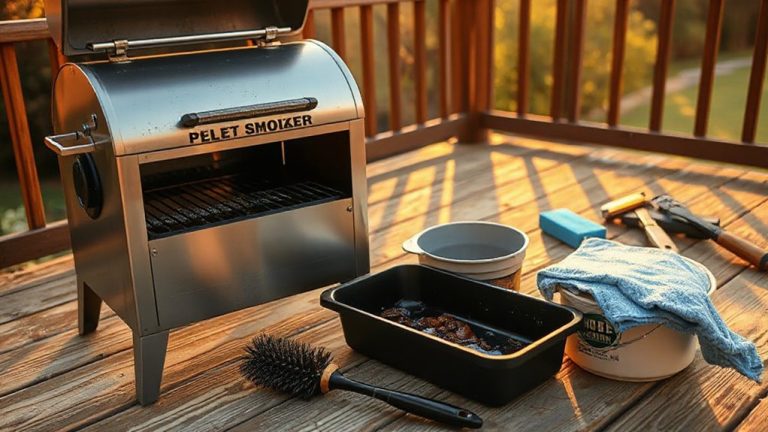
| Clean ash weekly | Guarantees proper airflow management |
Use the Water Pan to Control Moisture and Temperature
The water pan isn’t just a tray of water sitting below your meat-it’s an active component in heat regulation and moisture management, much like airflow influences temperature stability. You’re using it not only for water regulation but also for effective heat moderation throughout the cook. As the water heats, it absorbs excess thermal energy, preventing temperature spikes that could dry out or overcook your meat. The evaporating water adds consistent humidity, helping render fat evenly and keeping brisket or pork shoulder tender. Fill the pan with hot water to reduce startup time, and consider adding herbs or apple juice for subtle flavor, though water regulation remains its primary role. Monitor water levels every few hours-topping off prevents the pan from going dry, which can disrupt heat moderation. When set up correctly, the water pan acts like a thermal buffer, smoothing out fluctuations and supporting a steady, moist cooking environment essential for quality barbecue.
Fix Common Smoking Mistakes Fast
Even when you’re careful, problems can pop up during a smoke-especially if you’re rushing the setup or ignoring early warning signs. Temperature spikes are often the culprit behind dried-out meat, usually caused by poor lid seal or excessive fuel. You can stabilize the heat by adjusting the dampers and using a water pan to buffer sudden changes. Airflow issues, meanwhile, lead to uneven cooking and frustrating stalls. Check that your vents aren’t clogged and that the charcoal basket allows consistent draft. If smoke turns thin and blue, you’re likely running too hot; if it’s thick and white, you’ve got incomplete combustion from restricted airflow. React quickly: tweak the intake vent, add water to cool the chamber, and monitor changes every 15 minutes. Mastering these fixes means better control, juicier results, and fewer ruined batches. Experience sharpens your response, but awareness prevents most disasters. Choosing the right wood can also impact smoke quality and flavor, so consider using best wood chips for smoking to enhance your results.
On a final note
You’ve got the tools and techniques to master your vertical water smoker. With steady heat, proper wood selection, and the water pan regulating moisture, your smoked meats turn out tender and richly flavored. Prep matters, and so does attention to detail-avoiding common mistakes guarantees consistent results. This method balances simplicity and control, making it ideal for both beginners and seasoned grillers who value flavor and reliability in outdoor cooking.