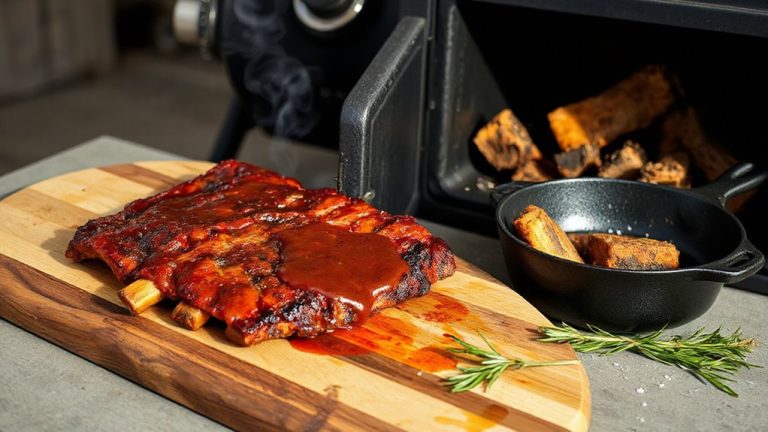
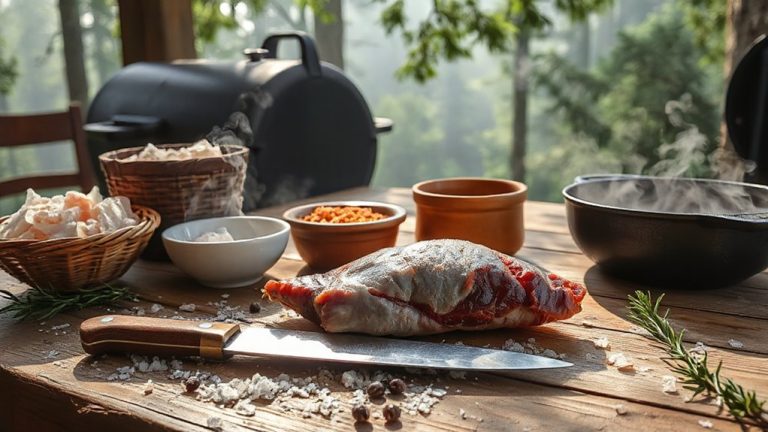
Creating a Unique House Style: Tips for Perfecting Your Signature Seasonings With Fresh Ingredients From Local Farms
You get the best flavor by sourcing fresh herbs, spices, and meats from local farms, where peak-ripeness and regional terroir boost authenticity. Choose native herbs like thyme or wild mint for distinct aroma and cultural depth. Pair ingredients thoughtfully-rosemary with lamb, basil with tomatoes-and layer toasted spices to build complexity. Balance salt, heat, and fragrance carefully, using sea or smoked salt and bright citrus zests. Store blends in airtight containers, label with dates, and test regularly for consistency. You’ll refine your signature style over time with feedback and seasonal adjustments. There’s a proven method to make it all come together seamlessly.
Notable Insights
- Source peak-ripeness ingredients from local farms to ensure maximum flavor and freshness in signature seasoning blends.
- Use regionally rooted herbs like epazote or wild mint to reflect terroir and strengthen authentic culinary identity.
- Build flavor complexity by toasting, layering, and balancing spices at different cooking stages for harmonic depth.
- Pair fresh ingredients thoughtfully-like rosemary with lamb or basil with tomatoes-to create signature aromatic profiles.
- Develop consistent house blends using airtight storage, batch testing, and traceable, farm-sourced ingredients for lasting quality.
Source Ingredients From Your Local Farms
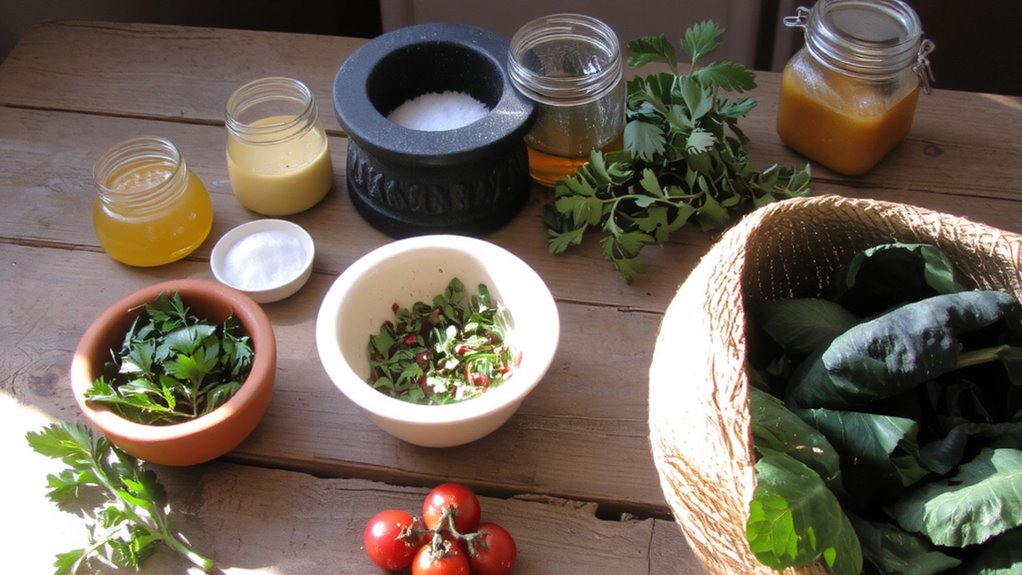
While you might be tempted to grab whatever’s stocked at the supermarket, sourcing ingredients from local farms gives your outdoor cooking a distinct edge in flavor and freshness. Local produce, harvested at peak ripeness, retains essential oils and nutrients that mass-distributed alternatives often lack. Establishing farm partnerships guarantees consistent access to high-quality meats, vegetables, and spices tailored to your grilling style. These relationships also promote ingredient traceability, letting you verify growing practices and animal welfare standards-critical when crafting a trustworthy house profile. Unlike anonymous supply chains, local farms offer transparency, so you know exactly where each component comes from and how it was raised. This accountability enhances both safety and taste. Plus, seasonal availability encourages culinary creativity, pushing you to adapt techniques and flavor pairings. Ultimately, prioritizing local sources isn’t just sustainable-it elevates your BBQ’s authenticity, setting your signature seasonings apart with integrity and regional distinction.
Pick Herbs That Reflect Your Regional Roots
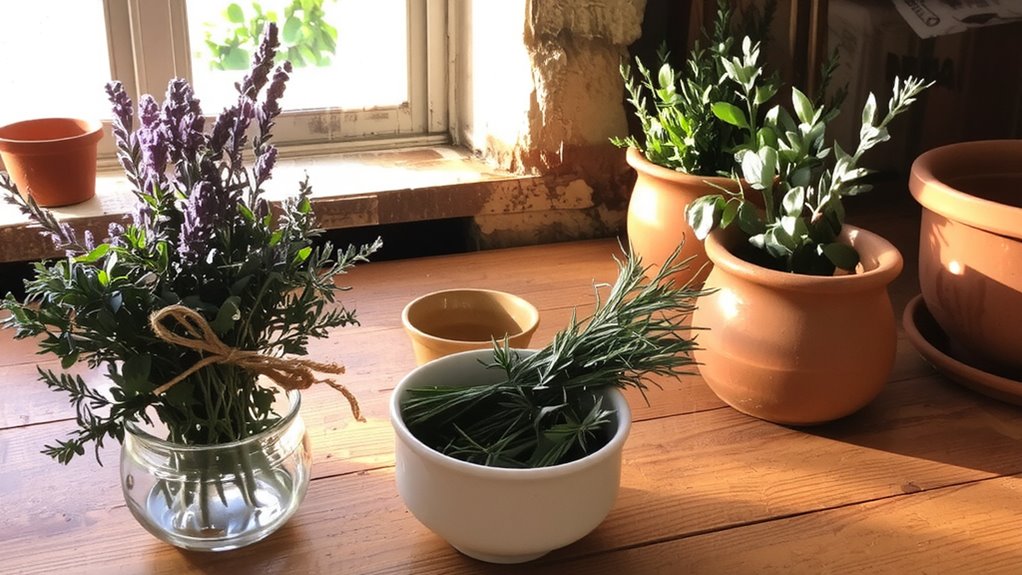
Freshness isn’t the only reason to reach for herbs grown in your region-flavor authenticity is. When you pick herbs tied to your local landscape, you’re tapping into a deeper culinary identity. These plants have adapted to your soil and climate, developing nuanced flavors that mass-grown varieties often lack. More importantly, they connect you to your cultural heritage, offering a direct link to traditional recipes passed through generations. Think of thyme in the South, wild mint in the Midwest, or epazote in Southwest kitchens-each carries regional memory. Using them isn’t just nostalgic; it elevates your house style with genuine, place-based depth. You’re not just cooking-you’re preserving a legacy. And when these herbs shine in slow-roasted dishes or smoked preparations, their aroma and taste become signatures of your approach. Choosing regionally rooted herbs grounds your outdoor cooking in both history and terroir, making every meal a reflection of where you-and your flavors-truly come from.
Pair Fresh Ingredients Like a Pro
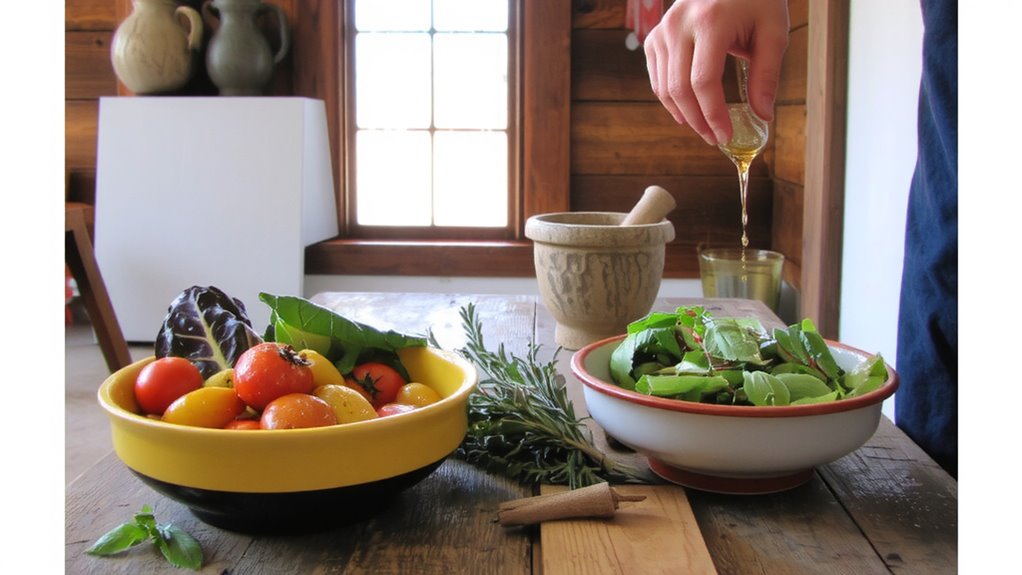
Once you’ve got regionally rooted herbs enhancing your dishes, the next step is learning how to pair them with other local ingredients like a seasoned pro. Mastering flavor pairing isn’t just about taste-it’s about creating ingredient harmony that elevates your entire cooking style. Think of your farm-fresh produce, meats, and herbs as instruments in an orchestra; each must complement the other. For example:
| Herb | Pairs Well With | Flavor Pairing Effect |
|---|---|---|
| Basil | Heirloom tomatoes | Bright, sweet, and aromatic lift |
| Rosemary | Lamb or root veggies | Earthy depth with a piney finish |
| Dill | Fresh yogurt, cucumber | Cool, tangy harmony |
When you align flavors thoughtfully, your dishes gain complexity without clash. You’re not just cooking-you’re composing. With practice, you’ll intuitively match what’s in season, ensuring your signature blends reflect true ingredient harmony. Exploring expertly crafted combinations can inspire your own creations-check out the best spice blends for trusted starting points.
Balance Salt, Heat, and Aroma in Your Blends
You’ve already learned how to harmonize herbs with seasonal ingredients, building layers of flavor that sing together. Now it’s time to fine-tune your blends by balancing salt, heat, and aroma. Salt intensity isn’t just about quantity-it’s about timing and source. Sea salt adds minerals, while smoked salt introduces depth, amplifying the blend’s complexity. Too much heat overwhelms, but a measured kick from local chilies can elevate without dominating. Aromatic harmony comes from pairing volatile oils in fresh garlic, onion, or citrus zest with earthier notes like cumin or thyme. These elements must complement, not compete. Think of salt as the backbone, heat as the spark, and aroma as the soul. When calibrated right, your blends gain dimension and consistency, enhancing grilled meats or roasted vegetables without masking their origin. Master this balance, and you’ll craft seasonings that are bold, nuanced, and unmistakably yours. For optimal mineral content and texture, consider using best sea salts carefully selected for their purity and origin.
Create a Signature Spice Blend
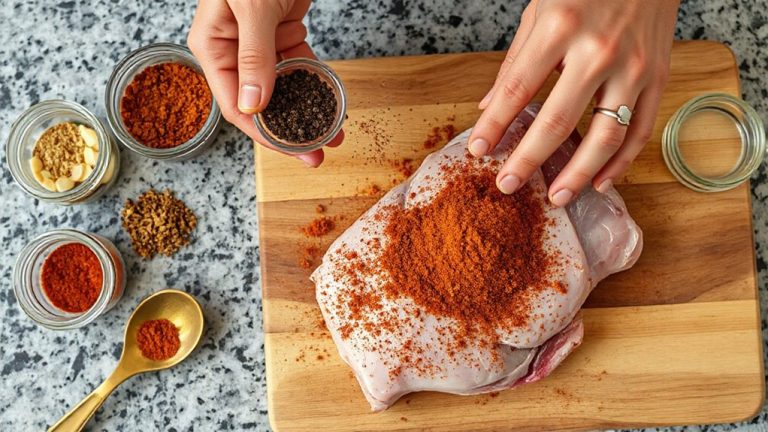
While mastering the fundamentals of flavor balance sets the foundation, crafting a signature spice blend is where your cooking truly begins to reflect your palate and environment. Blend experimentation allows you to tweak ratios, introduce seasonal farm spices, and align with regional tastes. Start with a base of locally sourced peppers, herbs, and seeds, then refine over time. Proper spice storage is essential-keep blends in airtight jars away from heat and light to preserve potency. Consider this simple framework to guide your trials:
| Base Note | Accent |
|---|---|
| Smoked paprika | Toasted cumin |
| Garlic granules | Lemon zest |
| Black pepper | Coriander |
| Sea salt | Dill seed |
Track each variation, noting how flavors evolve. A well-designed blend enhances grilled proteins and roasted vegetables without overpowering. Over months, your unique combination becomes a reliable hallmark-consistent, expressive, and rooted in local terroir. Choosing the right best grilling spices can elevate your house blend and ensure maximum flavor impact.
Keep Your Blends Fresh and Flavorful
Because spice blends lose potency over time, storing them properly isn’t just about organization-it’s critical to preserving flavor and performance in your cooking. Your storage methods directly impact how long your blends retain freshness. Keep them in airtight glass or metal containers, away from heat, light, and moisture-common culprits in degrading volatile oils. Avoid placing jars near the stove or in humid areas, as these conditions accelerate flavor loss. Since you’ve carefully selected ingredients based on their origins-like sun-dried chilies from local farms or hand-harvested herbs-protecting that quality makes sense. Fresher blends mean more vibrant, authentic taste in your dishes. Consider labeling each jar with the blend date and ingredient origins to track freshness. You’ll notice a clear difference in aroma and depth when using well-preserved spices. Good storage isn’t optional; it’s part of perfecting your house style and ensuring consistency in every meal.
Test and Improve Your Seasonings
Once you’ve crafted your blends and stored them properly, the real refinement begins-tasting, adjusting, and perfecting your seasonings to match your cooking style. Blind tasting is key; it removes bias and sharpens your palate. Use feedback loops by sharing blends with trusted cooks and noting their impressions. Small adjustments-more smoked paprika, less salt-can redefine a seasoning’s character. Test your mixes across proteins, veggies, and grains to assess versatility. Keep notes on each trial to track progress.
| Test Batch | Ingredient Change | Result Summary |
|---|---|---|
| 1 | +½ tsp garlic powder | Enhanced depth, less sweet |
| 2 | -1 tsp salt | Balanced, less overpowering |
| 3 | +1 tsp local rosemary | Earthy lift, ideal for lamb |
| 4 | +¼ tsp chili flake | Needed for heat lovers |
| 5 | Equal parts all | Baseline for blind tasting |
On a final note
You’ve sourced fresh herbs and produce from local farms, tailored blends to your region’s flavors, and mastered balance in salt, heat, and aroma. Crafting your signature seasonings elevulates outdoor cooking beyond mere grilling-it becomes an expression of place and care. These blends don’t just enhance flavor; they guarantee consistency and depth. With proper storage and ongoing taste tests, your seasonings stay potent and distinctive, transforming everyday BBQ into something truly personal and reliably delicious.