How to Grill Pork Chops Without Drying Them Out
Choose thick, bone-in pork chops for even cooking and better moisture retention. Brine them for 30 minutes to 2 hours-this boosts juiciness and deepens flavor. Preheat your grill to 400–450°F so you get a solid sear without sticking. Sear over direct heat, then move to indirect heat to finish gently. Use a quick-read thermometer: aim for 140°F to 145°F in the thickest part. Let the chops rest 5 to 10 minutes before serving-this keeps the juices locked in. There’s more you can do to refine your technique and avoid common missteps.
Notable Insights
- Choose 1- to 1.5-inch thick bone-in pork chops with good marbling to retain moisture during grilling.
- Brine chops for 30 minutes to 2 hours in a salt-sugar solution to enhance juiciness and seasoning.
- Preheat grill to 400–450°F to ensure proper searing and prevent sticking or temperature drops.
- Sear over direct heat, then finish over indirect heat to avoid overcooking and ensure even doneness.
- Rest grilled chops for 5–10 minutes to retain juices before serving.
Choose Juicy Grilled Pork Chops
Juiciness starts long before the pork hits the grate-choosing the right chop matters. You want a cut with enough marbling to stay moist, and that means opting for bone-in pork chops when possible-they retain heat better and cook more evenly. The ideal chop thickness is at least 1 to 1.5 inches; thinner cuts overcook fast and dry out, no matter your skill. Thicker chops give you control, letting you sear the outside while keeping the center tender. Consider your marinade options carefully: acidic bases like citrus or vinegar help tenderize, while oil-based ones lock in moisture. A simple soy-ginger or herb-garlic mix can elevate flavor without overpowering. Remember, even the best marinade can’t rescue a poorly chosen cut. Thickness and quality determine success-marinade enhances it. Grill over medium-high heat, and you’ll taste the difference from the first bite.
Brine for Tender, Flavorful Meat
A quick brine is your secret weapon for pork chops that stay tender and full of flavor, even under high grill heat. This simple wet cure boosts moisture retention and seasons the meat deeply. Think of it as a salt soak with benefits-adding sugar or herbs enhances taste without oversalting. Most pork chops only need 30 minutes to 2 hours in the brine, depending on thickness. Over-brining can make the meat spongy, so timing matters. For best results, dissolve 1/4 cup salt and 1/4 cup sugar in 4 cups water, then submerge the chops. Using the right type of coarse kosher salt ensures even dissolution and consistent flavor. Here’s what to expect:
| Brine Time | Result |
|---|---|
| 15–30 min | Light seasoning, minimal moisture gain |
| 1 hour | Ideal for thin chops |
| 2 hours | Maximum benefit for thick-cut chops |
| 4+ hours | Risk of overly soft texture |
| No brine | Drier, less flavorful meat |
Use the wet cure, and you’ll notice a firmer, juicier bite every time.
Preheat the Grill for Even Cooking
While you’re prepping your brined pork chops, take the time to properly heat your grill-skipping this step can sabotage even the most carefully seasoned meat. Getting the grill temperature right is essential; aim for 400–450°F for best results. A properly preheated grill ensures even searing, locking in juices and creating a flavorful crust without sticking. You’ll notice the difference immediately: well-defined grill marks and clean release from the grates. Without sufficient preheating, the surface cooks unevenly, leading to dry spots and inconsistent texture. Gas grills need about 10–15 minutes on high, while charcoal should glow under a light ash coating. This foundational step sets the stage for controlled, efficient cooking. Maintaining consistent heat from the start prevents temperature drops when meat hits the grate. Preheating isn’t just about readiness-it’s about performance, precision, and ensuring every chop cooks as intended.
Sear Then Finish Indirectly
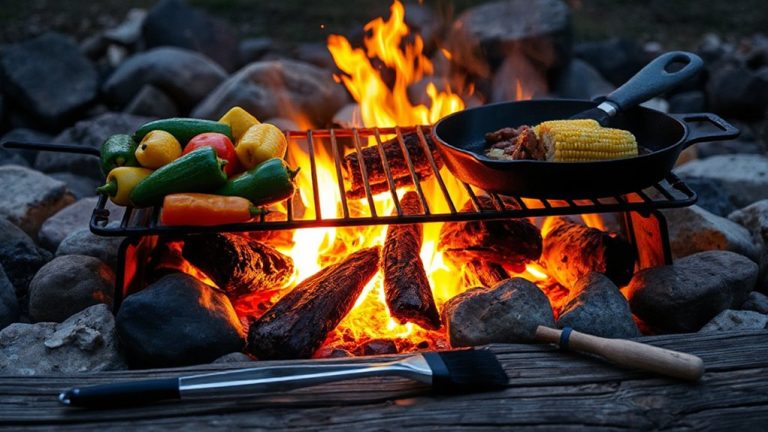
Most of the time, the best grilled pork chops come from a two-zone fire setup-sear them over direct heat first, then move to indirect to finish cooking. This method gives you a flavorful crust while preventing overcooking. Start by placing chops over direct heat to develop a rich sear; proper flip timing is essential-wait until they release easily, about 2–3 minutes per side. Then transfer to indirect heat to finish gently. The contrast between zones guarantees juiciness without sacrificing grill marks. For those seeking maximum smoke flavor, using a dedicated smoker with wood pellets can enhance the overall taste profile.
| Zone | Heat Level | Purpose |
|---|---|---|
| Direct | High | Sear exterior, lock in flavor |
| Direct | High | Control flip timing for even browning |
| Indirect | Medium | Slow internal cooking |
| Shift | N/A | Move quickly to avoid burning |
| Finish Area | Low-Med | Even temperature rise |
Use a Thermometer for Perfect Doneness
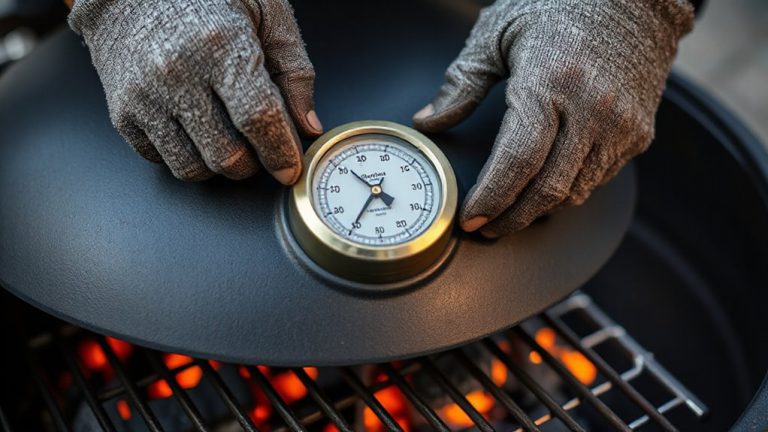
Don’t guess when it’s time to pull those pork chops off the grill-rely on a quick-read thermometer to nail the ideal doneness every time. You want an internal temperature of 140°F to 145°F; carryover heat will bring them to the safe 145°F mark while preserving peak pork texture. Insert the probe into the thickest part, avoiding bone, for an accurate reading. Guessing can lead to overcooking, leaving chops dry and tough. Plus, with frequent grill flareups from dripping fat, surface temps can spike without warning, making timing unreliable. A thermometer removes that risk, giving you precise control regardless of how unpredictable the fire behaves. It’s the most effective tool for consistent results, especially with thicker cuts. Forget touch tests or cutting into the meat-those methods sacrifice juice and don’t account for subtle differences in thickness or heat distribution. Trust the thermometer. It’s not just convenient-it’s essential for perfectly cooked chops every single time. For best results, choose a quick-read thermometer that delivers accurate readings in seconds.
Let Chops Rest Before Slicing
Once you’ve pulled those pork chops off the grill, resist the urge to cut into them right away-letting them rest is an essential step that makes a noticeable difference in juiciness. Resting allows the fibers to relax, enhancing both juice retention and flavor preservation. If you slice too soon, all that built-up moisture escapes, leaving your chops dry and less flavorful.
| Rest Time | Result |
|---|---|
| 3–5 min | Good for thin cuts, basic juice retention |
| 5–10 min | Ideal for most chops, maximum moisture and flavor preservation |
Cover them loosely with foil to retain heat without trapping steam. This short wait guarantees the internal temperature evens out and juices redistribute. You’ve put effort into seasoning and grilling-don’t undo it by rushing. For thick-cut or bone-in chops, aim for the longer end of the range. Letting them rest isn’t passive-it’s part of the cooking process.
Stop These Grilling Mistakes Now
While you might think grilling pork chops is straightforward, common missteps can sabotage even the best-cut meat. Over-marinating is one-your marinade duration should typically not exceed 12 hours, especially with acidic components, or the texture turns mushy. On the flip side, skipping marination altogether misses a chance for flavor and moisture retention. Another error? Neglecting your grill grates. Dirty or poorly preheated grates cause sticking and uneven sear marks, leading to moisture loss and frustrating flip failures. Always scrape and oil the grates before heating. Also, avoid pressing down on the chops-it forces juices out. Cook over medium-high heat, not a raging flame, to prevent charring the outside while undercooking the inside. These adjustments aren’t extreme, but they substantially improve results. Mastering them turns a risky cook into a reliable summer favorite.
On a final note
You’ll get the best results when grilling pork chops by balancing heat control and moisture retention. Brining boosts juiciness, while searing over direct heat and finishing indirectly prevents overcooking. Using a meat thermometer guarantees precision-145°F is ideal. Letting chops rest preserves their natural juices. Avoid common mistakes like flipping too often or skipping preheating. With proper technique, outdoor grilling delivers flavorful, tender results every time.