Smoker Box on a Gas Grill: Placement, Preheat & Smoke Tips
Pick a stainless steel smoker box that fits snugly over your gas grill’s primary burner for best heat exposure. Load it with room-temperature wood chips before firing up, and let it preheat 10–15 minutes until you see a steady blue-gray smoke. Position it where flames lap the edges to guarantee full combustion and maximum flavor. Adjust vents for a thin smoke ribbon-too much or too little airflow hurts quality. Clean the box after each use to prevent clogs and off-flavors. There’s more to mastering smoke control than just setup.
Notable Insights
- Choose a stainless steel smoker box with a tight-fitting lid and proper fit over your grill’s burner for maximum durability and smoke output.
- Position the smoker box directly over a primary burner to ensure consistent heat exposure and efficient wood chip ignition.
- Load room-temperature wood chips loosely and evenly into the box before heating to promote steady smoldering and optimal smoke production.
- Preheat the smoker box for 10–15 minutes until a steady stream of bluish-gray smoke appears, indicating effective combustion and flavor release.
- Adjust vents to maintain a thin ribbon of blue-gray smoke and clean the box after each use to prevent clogs and preserve smoke quality.
Choose the Right Smoker Box for Your Grill
A good smoker box can make all the difference in turning your gas grill into a serious player for low-and-slow flavor, especially if you’re after that authentic wood-smoked depth without upgrading to a dedicated smoker. You’ll want to pick one that matches your grill’s layout and heat output. Stainless steel boxes offer the best material compatibility with high-BTU burners, resisting warping and corrosion over time. Cheap thin metal ones might heat too quickly, risking burnout or inconsistent smoke. Box durability matters because repeated heating cycles stress the metal-thicker gauges handle expansion better. Look for tight-fitting lids to prevent chip spillage and guarantee steady smoke release. Some models even allow you to reload mid-cook, though that’s rare. Always check if the box fits snugly over a burner without blocking flames. Getting the right size and build means more smoke, less hassle, and longer service life-key if you’re serious about flavor. For top-performing options, check out the best smoker boxes based on performance, durability, and user feedback.
Place It Where Heat Can Ignite the Chips
Where should you actually put the smoker box for the best results? Directly over the burner, near the ignition zone, so the heat placement guarantees quick and consistent wood chip ignition. Gas grills rely on concentrated flames, and positioning the box too far from that primary heat source often leads to smoldering instead of smoking. You want the chips to reach their combustion temperature efficiently, and that happens when the box sits where the flames lap around its edges. Avoid tucking it near the grill’s sides or rear, where heat dissipates. The ignition zone delivers the intense, focused warmth needed for steady smoke production. Proper heat placement doesn’t just start the process-it sustains it. For maximum flavor and efficient chip use, precise positioning is non-negotiable. Get it right, and you’ll see thick, aromatic smoke within minutes.
Add Wood Chips Before Heating the Box
Timing matters just as much as placement when firing up your smoker box. You’ve got to add wood chips before heating the box-doing so afterward risks scorching instead of smoldering. Proper wood chip moisture is essential; overly dry chips burn too fast, while damp ones produce cleaner, longer smoke. Your chip loading technique affects burn consistency: tightly packed chips smolder unevenly, but a loose, even fill promotes steady airflow and maximum smoke output. Avoid preheating an empty box, as thermal shock can warp metal and ruin seasoning. Choosing the right type of wood also enhances flavor, and understanding the best wood chips for smoking can significantly improve your results. Here’s how preparation impacts performance:
| Factor | Effect |
|---|---|
| Wood chip moisture | Controls burn rate and smoke quality |
| Chip loading technique | Influences airflow and smoke duration |
| Pre-filled box | Guarantees immediate smoke production |
| Over-packed chips | Causes inconsistent smoldering |
| Room-temp chips | Prevents steam bursts and flare-ups |
Preheat Until You See Steady Smoke
Once the smoker box is securely in place and filled with properly moistened wood chips, you’ll want to fire up the gas burner directly beneath it and let the heat build gradually. This slow ramp-up improves ignition timing, giving the wood moisture time to evaporate and the chips to smolder rather than burn too quickly. You’ll see wispy vapor at first-that’s steam, not smoke. Wait. Within 10–15 minutes, the chips should begin to char and emit a consistent stream of bluish-gray smoke, signaling ideal smoke density. This stage means combustion is efficient and flavor production has peaked. Rushing this phase risks flare-ups or thin, flavorless smoke. Patience here directly impacts flavor depth. Steady smoke means the box’s metal is hot enough to sustain smoldering without direct flame contact, which preserves wood integrity and maximizes aromatic compound release. Watch for that visual cue-it’s a reliable indicator of readiness before introducing food.
Adjust Vents for Cleaner, Smokier Flavor
Why does your smoke sometimes turn harsh or ashy-tasting, even with the right wood and temperature? It’s likely because your smoker box vents are misadjusted. Properly setting the airflow isn’t just about combustion-it directly affects flavor balance and smoke density. If the vents are too open, you’ll get thin, fast-burning smoke that lacks depth. Too closed, and incomplete combustion creates bitter, acrid fumes. You want a steady, thin ribbon of blue-gray smoke-that’s your sign of clean, efficient smoldering. By fine-tuning the vents, you control oxygen flow, letting the chips smoke rather than burn. This adjustment gives you richer flavor without overwhelming the meat. Mastering this balance means your food develops that clean, wood-fired essence gas grills often lack. Great BBQ isn’t just heat management-it’s precise smoke control.
Clean the Box After Every Use
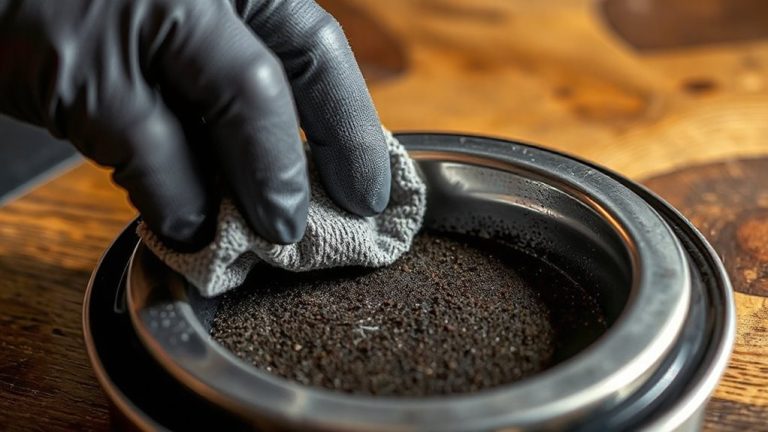
You’ll almost always get better, more consistent smoke flavor when you clean the smoker box after every use. Residual ash and char trajectories lead to uneven heating and off-flavors, especially if debris buildup affects airflow or contact between chips and metal. Over time, this accumulation clogs vents and reduces efficiency, undermining even the best maintenance routines. A simple brush-out while the box is still warm removes most residue, and a deeper clean with soapy water weekly guarantees longevity. Stainless steel holds up well, but neglect accelerates corrosion, especially at stress points near heat sources. Think of it like seasoning a grill-cleaning isn’t just hygiene, it’s performance. Consistent care keeps smoke quality high and prevents unwanted bitterness. Smart maintenance routines don’t just preserve equipment-they directly impact flavor, combustion efficiency, and cook consistency. Skip the clean, and you risk tainting your next session with old smoke and trapped contaminants. For tougher grime, using the right grill cleaning supplies makes maintenance faster and more effective.
On a final note
You’ve chosen the right smoker box and placed it over direct heat, ensuring efficient smoke generation. By loading chips before heating and preheating until smoke flows steadily, you maximize flavor output. Adjusting vents fine-tunes smoke quality, avoiding bitterness. Regular cleaning preserves performance and extends the box’s life. When installed and maintained properly, smoker boxes markedly enhance gas grills, delivering rich, consistent smoke ideal for ribs, brisket, and vegetables-proving effective, accessible wood-fired flavor without upgrading your unit.