How to Prevent Food From Burning When Cooking Over Unstable Flames
Use a heat diffuser to even out erratic flames on gas grills or camp stoves, shielding delicate foods from scorching. Elevate your pan with a grill rack to reduce direct heat and improve airflow. Shift food often to avoid hotspots, especially over unpredictable campfires. Try indirect heat during flare-ups, and always cook on a stable surface like stone or metal. You’ll see how simple adjustments markedly boost control and results.
Notable Insights
- Use a heat diffuser to evenly distribute heat and reduce scorching on gas grills or camp stoves.
- Elevate the pan with a grill rack or flame tamer to minimize direct heat and prevent hotspots.
- Shift or rotate food every few minutes to ensure even cooking over uneven flames.
- Use indirect heat by moving food away from flare-ups to prevent charring and control doneness.
- Choose a stable cooking surface like a stone base or portable stand to improve heat consistency and safety.
Use a Heat Diffuser for Unstable Flames
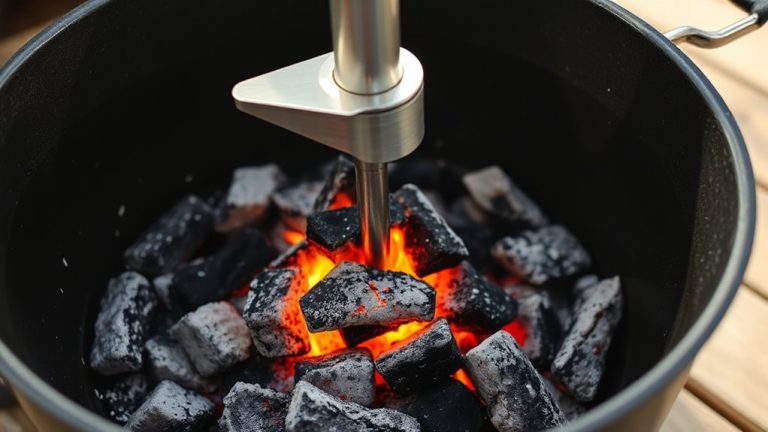
Even if you’re grilling over what looks like a steady flame, uneven heat can still cause your food to burn in spots, especially on gas grills or camp stoves with inconsistent burner output. A heat diffuser helps by spreading flames more evenly, improving both flame regulation and pan insulation. These perforated metal plates sit between the burner and your cookware, slowing intense direct heat while promoting uniform warmth across the surface. You’ll notice fewer scorched edges and more consistent cooking, particularly with delicate items like fish or sauces. While they add slight setup time, diffusers are lightweight and easy to clean, making them practical for regular use. Models with raised edges also catch spills, reducing flare-ups. Though not essential for every cook, they’re a smart upgrade if you often struggle with hotspots. In rugged conditions or extended outdoor sessions, their performance edge makes them worth the investment.
Elevate Your Pan to Reduce Hotspots
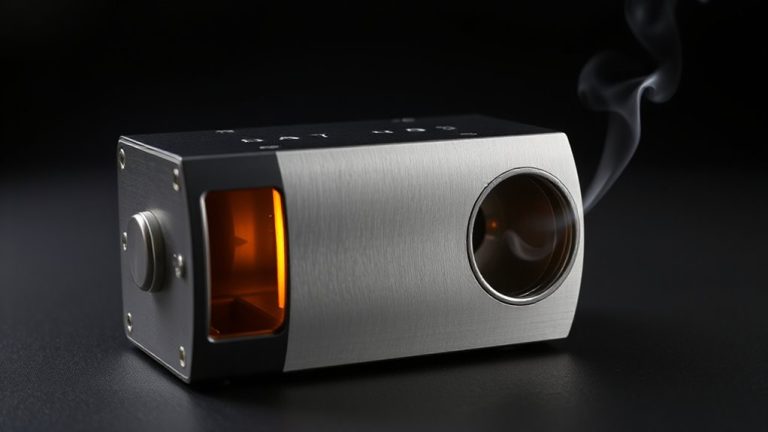
While your burner may deliver consistent output, design limitations in grills and stoves often create uneven heat distribution that leads to hotspots, particularly along the edges or directly over the flame. Elevating your pan-even slightly-improves airflow control and promotes more even cooking. Proper pan placement above the heat source reduces direct radiant intensity, minimizing scorching while allowing consistent conduction across the cooking surface. This technique is especially useful with cast iron or heavy-duty pans that retain heat well. Consider using a grill rack or flame tamer to create space between flame and pan, enhancing thermal regulation. For those seeking deeper smoke flavor without flare-ups, adding a smoker box can help infuse food evenly while maintaining heat stability.
Shift Food to Prevent Burning
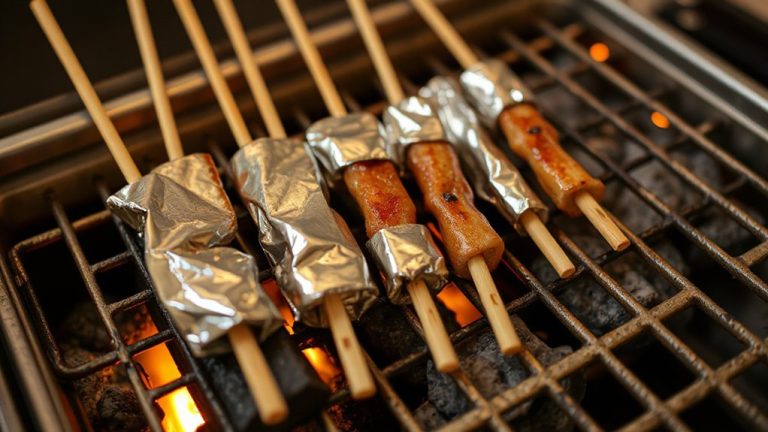
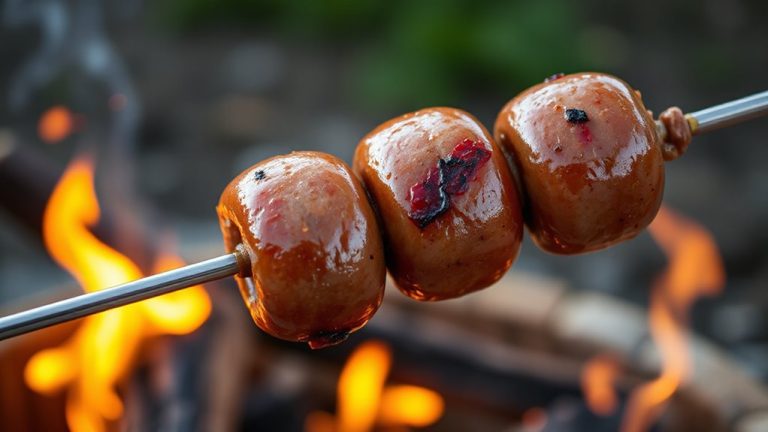
Keep things moving to avoid scorching when cooking over open flames or uneven burners. You’ll need to reposition food constantly, especially on grills with inconsistent heat distribution. Hotspots can char one edge while leaving another undercooked, so shifting items every few minutes guarantees even exposure. This is particularly effective with delicate proteins like fish or vegetables, which burn easily. Don’t rely solely on timing-watch for visual cues: sear marks, bubbling fat, or shrinking edges. Rotate pan when using a skillet over a campfire, as flame shape changes unpredictably. This simple habit prevents cold zones and overcooked patches. Unlike static setups, outdoor cooking demands active management. Though it requires attention, the payoff is better texture and flavor. Repositioning isn’t a fix for poor setup, but paired with elevated surfaces and good airflow, it’s a reliable tactic. You’ll see immediate improvements in control and results. A well-chosen campfire grill grate can significantly improve heat distribution and make repositioning more effective.
Try Indirect Heat When Flames Flare
When flare-ups happen, switching to indirect heat can save your meal from charring. You keep the food cooking without exposing it directly to sudden flame surges, which is especially useful with fatty meats that drip and ignite. This method improves flame control by letting you regulate temperature zones-hot for searing, cooler for slow cooking. Position one side of your grill with active heat and leave the other off, then move items as needed. Food rotation becomes key here: shift pieces from direct to indirect zones to manage doneness and avoid hot spots. It’s not just about avoiding burns-it’s about even results and better texture. Indirect heat gives you more predictability, especially over unpredictable flames. For anyone serious about outdoor cooking, mastering this balance means fewer ruined steaks and more consistent BBQ. It’s a simple but effective strategy that elevates your control and outcome. A versatile option for managing these conditions is using a grill smoker combo, which combines the functionality of both appliances for greater cooking flexibility.
Choose a Stable Cooking Surface
Above all, a solid cooking surface makes a noticeable difference in how evenly your food cooks and how well you can control the heat. An unstable grill shifts with movement, causing hot spots and poor contact between food and grate-increasing burn risk. Your cooking posture suffers when you’re balancing or adjusting constantly, which reduces control. A level, sturdy base supports consistent heat distribution, especially when dealing with variable fuel type behavior like charcoal flare-ups or propane surges. Stability improves safety and precision, letting you focus on timing and technique.
| Surface Type | Stability Score | Best Fuel Type |
|---|---|---|
| Portable Stand | 6/10 | Propane |
| Stone Base | 9/10 | Charcoal |
| Wooden Platform | 4/10 | Avoid |
Always match the setup to your fuel type and check level before heating.
On a final note
You’ll get better results when you manage unstable flames with smart techniques. A heat diffuser evens out temperature spikes, while elevating your pan reduces direct exposure to hotspots. Shifting food regularly prevents scorching, and using indirect heat during flare-ups maintains control. Choosing a stable surface improves contact and heat transfer. Together, these methods enhance cooking precision outdoors, where variables are harder to control. They’re practical upgrades that boost performance without needing perfect flames.