Using a Portable Burner to Reheat Pre-Cooked Chili Safely
Use a portable propane burner for steady, even heat when reheating pre-cooked chili-it’s reliable, easy to ignite, and performs well in varied conditions. Choose a model with a wide, stable base and wind-resistant design to prevent tipping and flare-ups. Break up thick clumps in the chili and add a splash of liquid to aid even warming, then heat to 165°F, stirring often and using a lid to trap heat. An adjustable valve lets you fine-tune the flame, avoiding scorching while ensuring safety. Serve immediately or cool quickly in shallow containers. You’ll find more practical tips to optimize flavor and safety with the right techniques.
Notable Insights
- Use a propane-powered portable burner for consistent heat and reliable performance when reheating chili outdoors.
- Break up thick chili clumps and add a small amount of liquid to ensure even heating and prevent scorching.
- Heat chili to 165°F, verified with a food thermometer, stirring occasionally for uniform temperature distribution.
- Keep the burner level and use low to medium heat with an adjustable flame to avoid hot spots and burning.
- Serve immediately or store properly by cooling quickly and refrigerating in shallow, airtight containers.
Pick the Right Burner for Reheating Chili
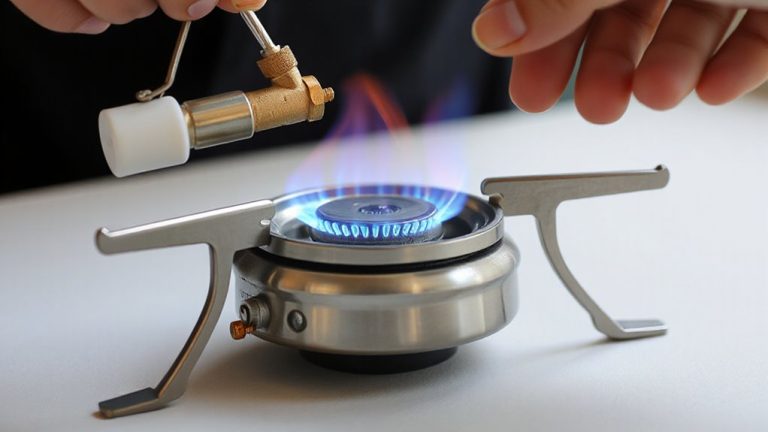
A good burner isn’t just about flame-it’s the foundation of safe, even reheating, especially when you’re working with thick, slow-heating chili. You need consistent heat distribution, and that starts with choosing the right fuel type. Propane is common and reliable, offering steady output and easy ignition, while butane works in milder climates but can sputter in cold. Consider burner stability just as critically-wobbling pots risk spills and uneven cooking. A wide base and sturdy legs keep your pot level, especially outdoors where surfaces aren’t perfect. Look for models with wind-resistant designs and adjustable valves so you can fine-tune the temperature. A stable, well-fueled burner gives you control, reduces hot spots, and helps maintain food safety. For reheating chili, where thorough, even warmth matters, these features aren’t luxuries-they’re essentials. Choose wisely, and you’ll save time, avoid mess, and serve better heat every time. A top-rated camping stove delivers optimal performance for reheating dense dishes like chili.
Prep Chili for Even, Safe Reheating
Getting your chili ready for reheating means more than just grabbing the pot from the fridge-you’ll want to break up any dense clumps and stir in a splash of liquid if it’s thick. Doing so improves chili consistency, ensuring heat penetrates evenly and prevents scorching on a portable burner. If the mixture is too dry, it may heat unevenly; too wet, and you’ll lose flavor concentration. Aim for a balance that maintains richness while allowing smooth warming. Consider portion control-reheat only what you plan to serve. This reduces contamination risks and preserves the quality of the remaining batch. Transferring a single serving into a smaller pot also speeds up reheating and gives you better temperature control. Stirring before and during the process helps distribute heat and ingredients uniformly. Proper prep sets the stage for safe, efficient reheating without compromising taste or texture, especially important when cooking outdoors where resources are limited.
Heat Chili to 165°F Safely
Now that your chili’s prepped and ready, it’s time to focus on bringing it up to a safe serving temperature. Use your portable burner to guarantee steady temperature control, aiming for exactly 165°F-the USDA-recommended threshold for reheating cooked foods. This temperature kills potential bacteria without overcooking the chili. Stir occasionally to promote even heat distribution, especially since uneven heating is a common issue with portable setups. Always use a reliable food thermometer to verify doneness; guessing can compromise safety. Lid usage is essential-it traps heat, speeds reheating, and improves fuel efficiency. Keeping the lid on minimizes temperature fluctuations and helps maintain consistent performance, even in mild outdoor winds. Though it’s tempting to peek, limit opening the lid to preserve thermal stability. Proper lid usage and vigilant temperature control aren’t just about efficiency-they’re critical steps in safe outdoor reheating.
Avoid Common Reheating Mistakes
That wobbly flame you’re seeing? It’s a sign your portable burner isn’t level or the fuel flow is uneven-both can lead to inconsistent heating. Skipping preheating or using too high a setting risks scorching, especially with dense chili. You might be tempted to rely on microwave reheating for speed, but it often heats unevenly, leaving cold spots where bacteria survive. Oven baking takes longer and isn’t practical outdoors, making it a poor match for portable setups. The portable burner beats both when you need even, controlled reheating on the go. Avoid overcrowding the pot; it reduces heat circulation. And always thaw frozen chili beforehand-trying to reheat it straight from frozen leads to an overcooked exterior and icy core. Using the right gear correctly matters just as much as the recipe itself. Safety and taste depend on it.
Stir Often to Prevent Scorching
Frequently stirring your chili while reheating on a portable burner isn’t just good practice-it’s essential for even heat distribution and preventing scorching on the pot’s bottom. Without consistent agitation, hot spots from the burner can ruin both flavor and chili texture. A well-maintained burner delivers steady heat, but it won’t compensate for neglecting the stir. Burner maintenance guarantees peak performance, especially when cooking outdoors where conditions vary.
| Stirring Frequency | Effect on Chili |
|---|---|
| Every 2–3 minutes | Smooth, even heat; ideal texture |
| Every 5+ minutes | Risk of scorching; uneven texture |
Regular stirring preserves quality and prevents waste. You’ll notice better mouthfeel and flavor integration when you stay attentive. Don’t rely solely on equipment-your active role matters. Even with precise burner control, chili’s thickness demands hands-on management to maintain consistency and avoid overcooking at the base.
Store or Serve Chili Safely After Heating
Once you’ve finished reheating your chili on the portable burner, how you handle it next plays a critical role in both safety and flavor preservation. If you’re serving right away, keep the chili above 140°F to stay within safe serving time limits and prevent bacterial growth. Prolonged exposure to temperatures between 40°F and 140°F increases the risk of spoilage, so don’t leave it out more than two hours-or one hour if it’s over 90°F outdoors. For leftovers, cool the chili quickly and store it at a proper chili storage temperature below 40°F. Shallow, airtight containers help it cool evenly in the fridge. Reheating again? Bring it to a rolling boil to guarantee safety. These steps aren’t just about avoiding illness-they preserve texture and taste, which matters when you’ve spent time crafting a rich, flavorful batch. Smart handling maintains quality as much as it guarantees safety.
On a final note
You’ve got the tools and the know-how to reheat chili safely on a portable burner. Aim for 165°F, stir often, and avoid prolonged heat exposure to maintain quality. A stable burner with adjustable flame control makes all the difference outdoors. Proper prep and temperature monitoring guarantee food safety without sacrificing flavor. This method works reliably for camping or tailgates, blending practicality with solid performance when done right.