Cold Smoke Generation Techniques Using Pellet Tube Attachments
You get consistent cold smoke by loading a pellet tube with 100% hardwood pellets-apple or cherry for mild flavor, hickory or pecan for bold-and placing it near your grill’s air intake. It burns clean for 4–6 hours below 90°F, ideal for cheeses, fish, and nuts. Just light it with a torch, avoid lighter fluid, and guarantee good airflow. Quality pellets and clean maintenance prevent most issues. You’ll find even better results once you fine-tune placement and wood pairings.
Notable Insights
- Use 100% hardwood pellets without fillers to ensure clean, consistent smoke for cold smoking.
- Place the pellet tube near the air intake for optimal smoke circulation and even distribution.
- Ignite the tube with a torch lighter to avoid chemical contamination from lighter fluid.
- Maintain temperatures below 90°F by using the tube on a gas or charcoal grill without direct flames.
- Store pellets in sealed containers to prevent moisture absorption, which can hinder ignition and smoke quality.
How Cold Smoking Works With a Pellet Tube
While traditional cold smoking often demands constant attention and precise temperature control, using a pellet tube simplifies the process without sacrificing flavor. You just fill the tube with smoking pellets, light one end, and let it smolder slowly, producing clean smoke over several hours. The pellet composition matters-hardwood blends burn more evenly and deliver a richer smoke than softwood or low-density pellets. Tube placement is equally critical; position it near the air intake of your smoker or grill to guarantee consistent smoke circulation without hot spots. You’ll find this method maintains temps below 90°F, ideal for cheeses, fish, or nuts. Unlike finicky setups requiring ice or external smoke generators, the pellet tube is compact, reusable, and reliable. It’s not perfect-occasional airflow blockages can occur-but with proper maintenance, it’s a smart upgrade for steady, hands-off cold smoking. For beginners, pairing this technique with a beginner offset smoker can make mastering cold smoking even more accessible.
Choose the Right Wood Pellets for Your Pellet Tube
You’ve got your pellet tube set up and ready to go, but the real flavor payoff comes down to the pellets you choose. The right wood flavor enhances your food without overpowering it, while poor pellet quality leads to bitter smoke and inconsistent burn. Always opt for 100% hardwood pellets-no fillers or binders. Different woods deliver distinct profiles: mild fruitwoods for poultry, bold hickory or mesquite for red meat. For smoking turkey, consider using best wood pellets that offer a balanced, aromatic smoke without overwhelming the bird’s natural flavor.
| Wood Type | Flavor Profile | Best For |
|---|---|---|
| Apple | Sweet, delicate | Chicken, fish |
| Cherry | Rich, slightly sweet | Ribs, ham |
| Hickory | Strong, bacon-like | Brisket, sausages |
| Pecan | Nutty, earthy | Turkey, cheese |
| Oak | Medium, versatile | Pork, vegetables |
Your food’s taste reflects your pellet choice-invest in freshness and proven pellet quality every time.
Set Up Your Pellet Tube on Any Grill
A properly loaded pellet tube can make all the difference in achieving consistent, flavorful smoke on almost any grill. You’ll want to think about pellet tube placement carefully-center it near the heat source but not directly over flames to avoid burning the pellets too fast. Most tubes work with gas, charcoal, and pellet grills, so grill compatibility isn’t usually an issue. Just make certain there’s enough clearance for airflow and smoke circulation. Secure the tube on a stable surface, like a grate or fire ring, so it won’t shift during use. If your grill has tight quarters, position the tube horizontally to fit without blocking vents. Proper alignment helps maintain steady smoke output, especially during long, low-temp sessions. With thoughtful setup, you’ll maximize smoke efficiency without constant monitoring. This simple addition turns standard grills into effective cold-smoking rigs, expanding your outdoor cooking potential considerably.
Light and Use Your Pellet Tube Correctly
Now that your pellet tube is properly positioned on the grill, it’s time to get it lit and working efficiently. For reliable pellet ignition, use a torch lighter or long match to apply flame directly to the top layer of pellets-avoid lighter fluid, as it affects flavor. Let the tube burn for 2–3 minutes until smoke flows steadily, then close the grill to maintain temperature stability. Proper airflow is essential; too much oxygen shortens smoke duration, while restricted vents can extinguish the burn. Most tubes deliver 4–6 hours of consistent smoke, depending on pellet density and tube design. You’ll notice hardwood blends like hickory or apple burn cleaner and last longer. Once established, the tube should smolder evenly without flare-ups. Monitor occasionally, but don’t disturb it. Correct lighting guarantees steady, cool smoke ideal for subtle flavor enhancement. For consistent results, consider using a best torch lighter designed for outdoor grilling applications.
Best Foods to Cold Smoke With a Pellet Tube
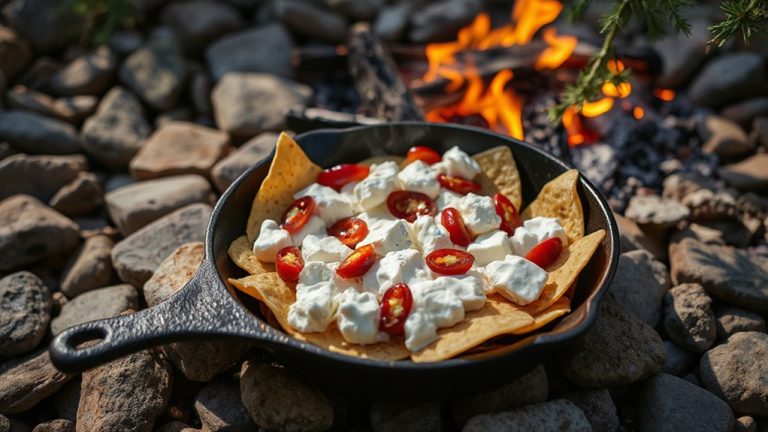
Smoking the right foods at low temperatures elevates flavor without cooking the product, and a pellet tube makes that precision accessible. You’ll get the best results with items that benefit from subtle smoke infusion-cheeses like cheddar or gouda develop rich flavor profiles without melting, while salmon absorbs smokiness beautifully over a 2–4 hour smoke duration. Nuts, especially pecans and almonds, take on a savory depth with a moderate smoke duration of about three hours. Creamy foods like cream cheese or mascarpone react well to cold smoke, gaining complexity without texture loss. Delicate proteins such as boneless chicken breasts or tofu accept mild smoke notes, but require attention to avoid over-smoking. Hardwood pellet choices-like hickory or apple-affect flavor profiles markedly, so match them to your food’s character. With consistent smoke duration and proper airflow, your pellet tube reveals layered, restaurant-quality results right in your backyard setup.
Fix Common Pellet Tube Problems (No Smoke, Poor Burn)
When your pellet tube fails to produce steady smoke or struggles to maintain a consistent burn, the issue usually comes down to moisture, airflow, or pellet quality. High fuel moisture is a common culprit-wet pellets won’t ignite properly and tend to smolder instead of burn cleanly. Always store your pellets in a sealed container away from humidity. Airflow blockage inside the tube can also stifle combustion; make sure the ventilation holes aren’t clogged with ash or debris before lighting. Poor-quality pellets with fillers or inconsistent density burn unevenly and generate less smoke. You’ll get better results with 100% hardwood pellets. Clean your tube after each use, and check for obstructions regularly. While pellet tubes are reliable, they depend on proper prep and maintenance. Addressing these factors improves performance and extends lifespan-critical for consistent cold smoking success.
On a final note
You’ve seen how a pellet tube expands your grilling versatility by adding rich, smoky flavor without heat. It’s an efficient, affordable tool that works on nearly any grill, delivering consistent smoke when loaded with quality pellets and lit properly. While it demands attention to airflow and fuel, the results-especially on cheeses, sausages, and nuts-justify the effort. With practice, you’ll master low-and-slow smoke production, enhancing your outdoor cooking with minimal equipment.