Dutch Oven Peach Cobbler Over Campfire Coals: 350°F Coal Method
Use ripe, firm peaches-fresh or high-quality frozen-for the best flavor and texture in your cobbler. A seasoned cast iron Dutch oven delivers even heat and superior browning over campfire coals. Position hardwood coals with two-thirds on the lid for consistent 350°F heat, ensuring the topping crisps while the filling bubbles. Limit opening the lid to maintain heat and develop a golden crust. You’ll see how each step contributes to perfect outdoor baking results.
Notable Insights
- Use ripe, firm peaches for optimal juiciness and structure when baking in a Dutch oven over campfire coals.
- Choose a pre-season cast iron Dutch oven for even heat distribution and superior moisture retention during outdoor baking.
- Position hardwood coals around the sides and under the oven, with two-thirds on the lid for consistent 350°F heat.
- Preheat the Dutch oven, add the peach filling, cover, and bake using radiant heat for uniform cooking and topping rise.
- Maintain a crisp, golden topping by limiting lid checks and using evenly spaced coals to ensure steady, indirect heat.
Choose the Best Peaches for Peach Cobbler
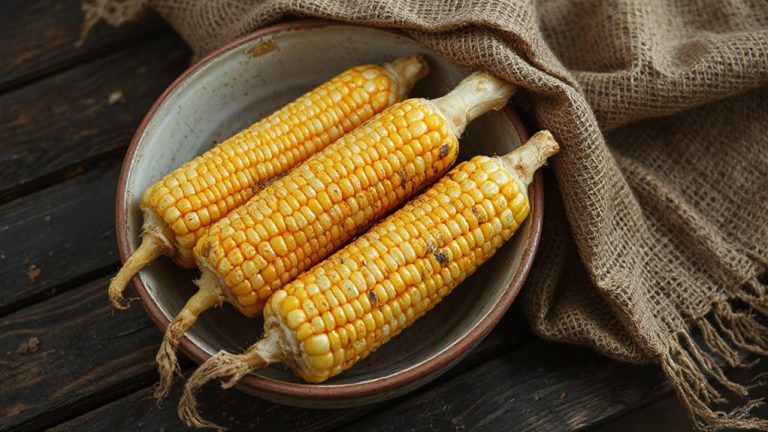
Peach quality can make or break your cobbler, and when baking outdoors in a Dutch oven, choosing the right variety matters even more. You want ripe peaches with a balance of sweetness and acidity-clingstones often deliver richer flavor, though freestones are easier to prep. When in season, fresh peaches give superior texture and aroma, releasing juices that meld beautifully with the biscuit topping. But if you’re off-season or far from a market, fresh vs frozen becomes a serious consideration. High-quality frozen peaches, picked and sealed at peak ripeness, can perform nearly as well. Just thaw and drain them well to avoid a soggy base. Avoid pre-sweetened or syrup-packed versions-they disrupt sugar control. Ultimately, flavor depth matters most in open-fire cooking, so choose fruit that enhances, not hinders, your dessert’s natural richness.
Use a Dutch Oven for Campfire Cobbler
You’ve picked the right peaches-ripe, flavorful, and ready to shine-so now it’s time to get them cooking in the tool that makes outdoor baking possible: the Dutch oven. Crafted from cast iron, this heavy-duty pot excels in campfire cooking due to its superior heat distribution and retention. Unlike thin pans that create hot spots, a Dutch oven transfers heat evenly, ensuring your cobbler bakes uniformly without scorching. Its tight-fitting lid traps moisture, allowing the fruit to soften and the topping to rise properly. You’ll notice the cast iron holds temperature well, even as coals shift, reducing the need for constant adjustments. For best results, pre-season your oven to prevent sticking and aid cleanup. While heavier than standard cookware, its durability and performance make it worth the effort. In the wild, few tools match its reliability for rustic, oven-quality desserts.
Build a Dutch Oven Fire the Right Way
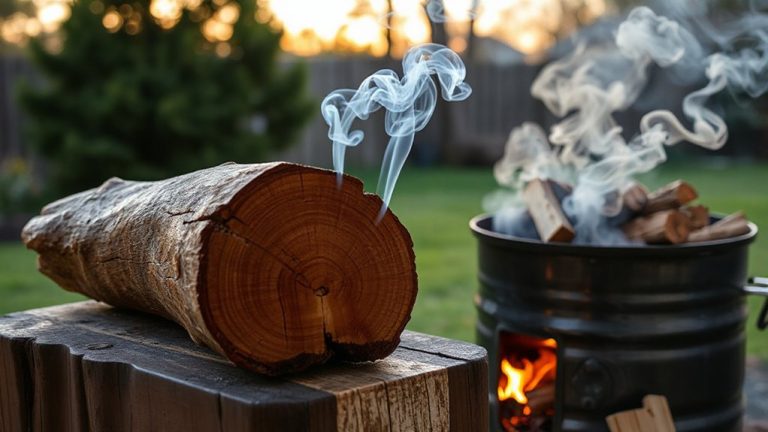
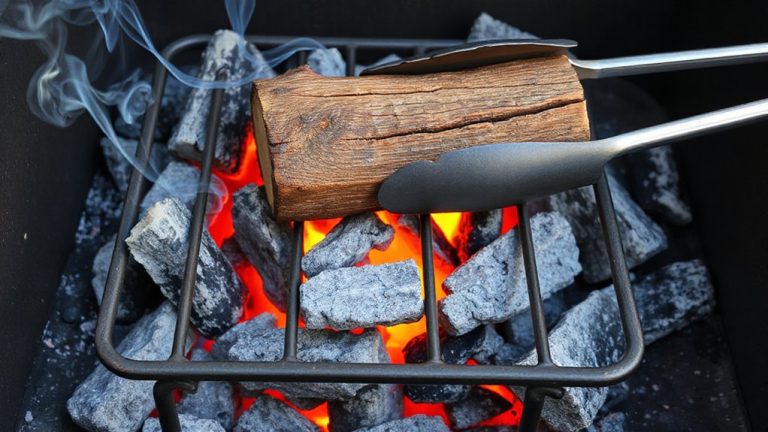
One well-placed fire makes all the difference when baking cobbler in a Dutch oven over open flames. You need smart fire placement to guarantee even heat distribution-pile your coals to the sides and a bit underneath, not directly under the center, so the bottom doesn’t scorch. Use hardwood coals; they burn hotter and longer than softwood, giving you better heat control. You’re aiming for roughly 350°F, which means about two-thirds of your briquettes go on top of the lid and one-third underneath. This ratio mirrors an oven’s top-down baking heat. Tending the fire is part of the process-adjust coal positions as needed, adding more only when heat dips. Poor placement causes uneven baking or burnt edges. With proper setup and consistent monitoring, your Dutch oven delivers consistent, predictable results, turning rough outdoor conditions into reliable, delicious performance. For optimal results, choose a bushcraft campfire style that supports steady coal production and easy access for repositioning briquettes.
Bake Your Peach Cobbler Over Coals
Now that your fire’s set up with coals positioned for balanced heat, it’s time to put the Dutch oven to work baking the cobbler. You’ve already made smart choices-your fruit selection of ripe, firm peaches holds up well under prolonged heat, releasing just enough juice without turning mushy. Spoon the mixture into the preheated Dutch oven, cover it tightly, and nestle it amid the coals. With bottom heat rising evenly and radiant warmth circulating from the lid, the cobbler bakes uniformly. This method outperforms standard grilling, offering superior temperature control and consistent results. When done, your dessert presentation is rustic yet impressive-golden-hued, aromatic, and ideal for serving straight from the pot. The Dutch oven doesn’t just cook; it enhances both flavor development and visual appeal, making it a reliable tool for outdoor dessert preparation.
Get a Crisp, Golden Top Every Time
A well-browned, crisp topping elevates your peach cobbler from humble campfire dessert to a standout finish for any outdoor meal. To achieve that ideal golden crust, you’ll want to control both heat and placement. Position the Dutch oven on a bed of even, medium-hot coals-too few and the topping won’t set; too many, and it burns before the filling thickens. Place a few small coals on the lid’s rim to radiate heat downward, promoting uniform browning. A buttery biscuit or crumble topping crisps beautifully under sustained, indirect heat. Avoid lifting the lid too often, since heat loss slows dehydration and crust formation. You’re aiming for deep amber hues and a slight resistance when touched-a true crisp topping signals doneness. With practice, your cobbler won’t just taste homemade-it’ll look it, featuring a golden crust that crackles just right with each spoonful.
On a final note
You’ve picked ripe, firm peaches and used a seasoned cast-iron Dutch oven, ideal for even heat distribution over coals. Building a proper fire with glowing embers guarantees consistent baking, not burning. Positioning the cobbler with coals above and below mimics an oven, yielding a crisp, golden crust. This method proves reliable for outdoor cooking-durable, effective, and rooted in real campfire practicality. Proper setup and patience deliver delicious, well-textured results every time.