Cooking on Driftwood: Safe Practices for Beach Campfires
You can cook over driftwood if you choose clean, dry, well-weathered pieces free of oil, paint, or chemical smells. Still, it often burns unevenly and may carry salt or toxins, so it’s best mixed with seasoned hardwoods. For safer, more consistent heat, go with charcoal or propane. These alternatives offer better control and reduce health risks. Smart fire management and proper food temps matter just as much-knowing the full story helps you stay safe and savor the experience.
Notable Insights
- Driftwood may contain salt and chemical pollutants, making it unsafe for cooking unless thoroughly cleaned and tested.
- Choose only clean, dry, gray-weathered hardwood driftwood free of odors, paint, or oily residues.
- Prepare driftwood by scrubbing, seasoning for weeks, and ensuring moisture content is below 20%.
- Avoid burning driftwood alone; mix with seasoned hardwoods for safer, more consistent heat.
- Use charcoal or propane instead-they’re safer, more reliable, and compliant with beach fire rules.
What Makes Driftwood Dangerous for Cooking
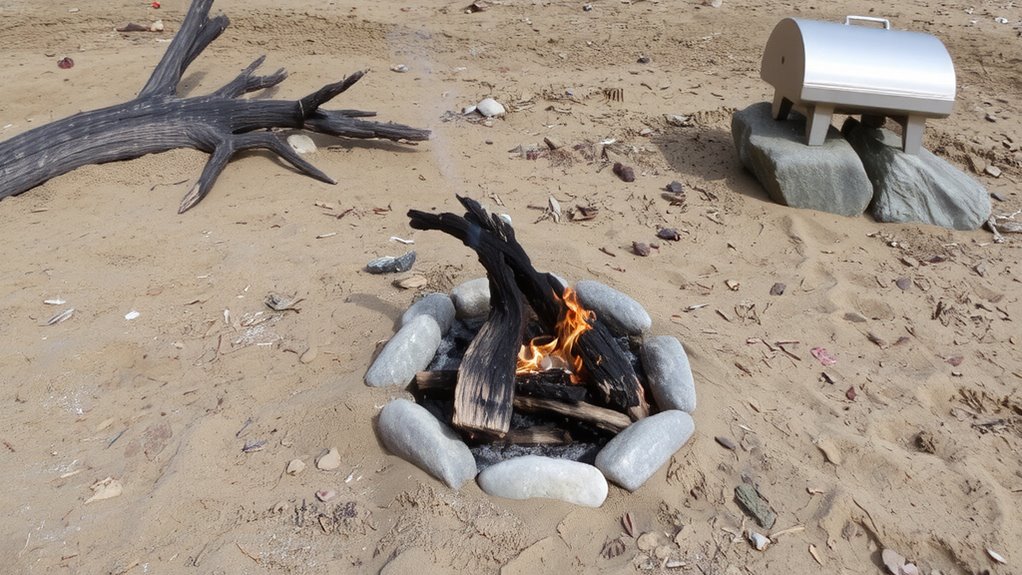
While driftwood might look like a convenient fuel source along the shoreline, burning it for cooking carries hidden risks you’ll want to avoid. Driftwood often holds salt residue absorbed from seawater, and when burned, that salt vaporizes into the air and can settle on your food, making it nearly inedible. More concerning is chemical contamination-driftwood may have soaked up pollutants like motor oil, antifouling agents, or industrial runoff during its time afloat. These toxins release harmful fumes when ignited, posing health risks if inhaled or absorbed through food. Even if the wood burns cleanly, the off-gassing isn’t worth the gamble. Unlike seasoned hardwoods designed for cooking, driftwood doesn’t offer consistent heat and often smolders unevenly. For safe, flavorful results, stick to approved firewood. Your meal-and your health-depends on making the right fuel choice.
How to Identify Safe Driftwood on the Beach
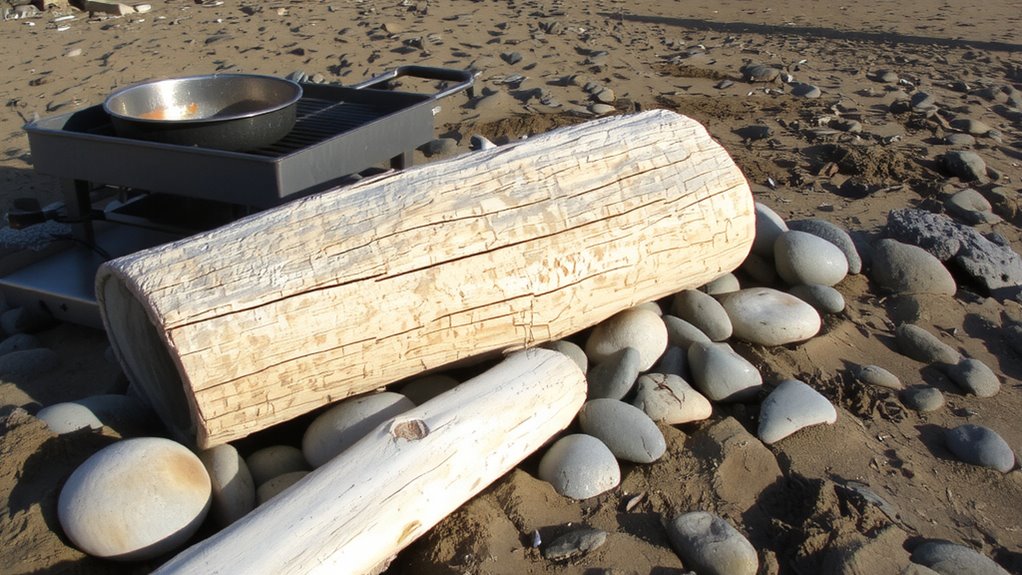
You’ve got options when you’re scanning the tideline for firewood, but not every piece of driftwood is a safe bet for cooking over an open flame. Use smart beachcombing techniques to pick clean, dry, and well-bleached pieces-gray or light brown wood usually means it’s been salt-cured and weathered safely. Avoid anything with a greenish tint, oily sheen, or chemical smell, as these may indicate toxic species or contaminated driftwood sourcing. Hardwoods like oak or maple are ideal; they burn hotter and cleaner than softwoods, which produce more soot. Look for dense, heavy pieces that snap rather than bend-this signals low moisture content. Stay away from painted, treated, or varnished wood, often from docks or structures. Proper identification reduces health risks and improves cooking performance, giving you steady heat without unwanted flavors or fumes.
How to Prepare Driftwood Safely for Cooking
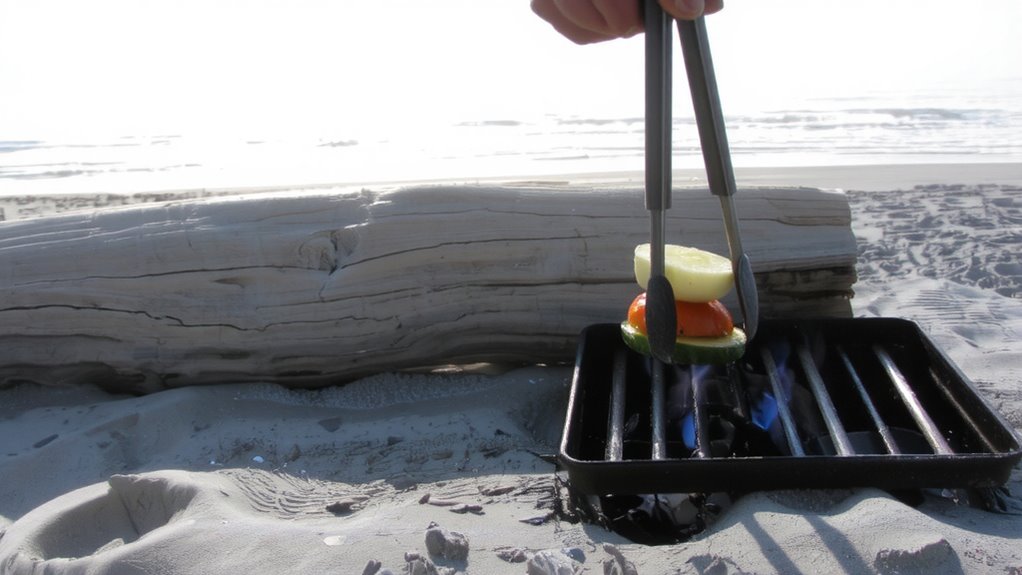
Since not all driftwood is ready to use straight from the shore, you’ll want to clean and dry it properly before tossing it on the fire. Start by scrubbing off sand, salt, and debris with a stiff brush-residual salts can produce harmful smoke when burned. Then, allow ample time for driftwood seasoning; ideally, dry it for several weeks in a sunny, well-ventilated area until moisture content drops below 20%. Properly seasoned driftwood burns cleaner and hotter, making it safer for cooking techniques like grilling or smoking. Avoid green or damp pieces, as they smolder unevenly and may taint food with soot or chemicals. While driftwood imparts a unique flavor, its inconsistent density demands careful monitoring. Pair it with hardwoods for more reliable heat control. Ultimately, safe preparation enhances both performance and flavor, letting you enjoy coastal cooking without compromising safety or taste-just don’t rely on it as your only fuel source.
Best Alternatives to Driftwood for Beach Cooking
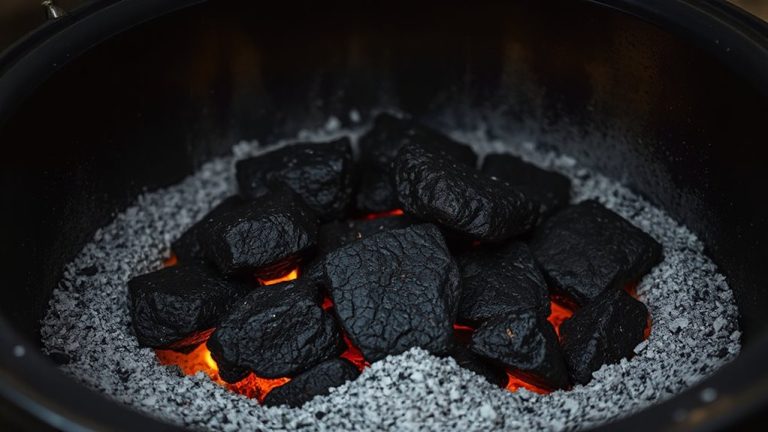
If driftwood isn’t available or properly seasoned, you’re better off choosing a more reliable fuel that still delivers great results over the open flame. Charcoal grills offer consistent heat and excellent temperature control, making them ideal for searing fish or grilling vegetables on the sand. They’re portable, widely available, and burn cleaner than untreated wood. For quicker setup and precise regulation, portable stoves are a smarter pick-especially propane-powered models, which ignite instantly and perform well in windy coastal conditions. While they lack the smoky flavor of real wood fire, they’re far more predictable and leave no ash residue on the beach. Charcoal grills suit traditionalists who want that authentic BBQ experience; portable stoves appeal to efficiency-focused campers. Both are safer than questionable driftwood and comply with most beach fire regulations. With proper use, either option guarantees your meal cooks evenly and safely without harming the environment. For those who prioritize convenience and performance, consider a best portable grill that combines durability with easy transport.
Smart Tips for Cooking Over a Beach Fire
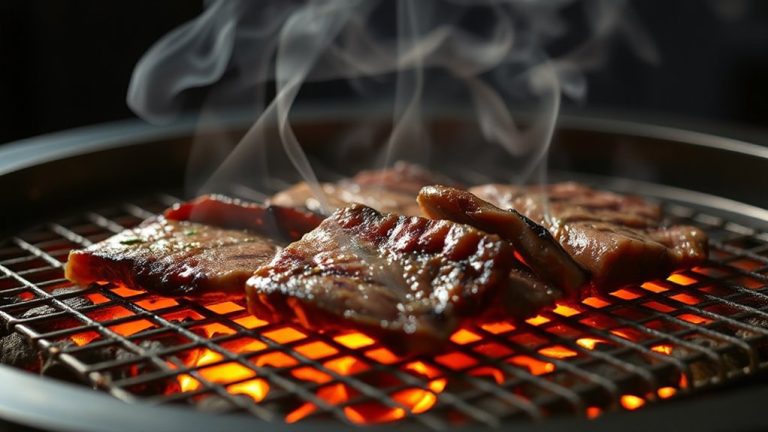
A well-managed beach fire can be more than just a heat source-it’s the foundation of a successful seaside cookout, provided you approach it with the right techniques. Start by building a stable cooking grate at the right height-too low and your food burns, too high and heat control suffers. Use indirect heat when possible to avoid flare-ups and guarantee even cooking. Keep raw and cooked foods separate to maintain food safety, and always have a spray bottle handy for sudden flames. The wood you choose directly affects flavor impact; hardwoods like oak or hickory add depth, while damp or green wood creates bitter smoke. Cook with clean grates to prevent sticking and off-flavors. Monitor internal temperatures with a reliable thermometer, especially for poultry and seafood. When managed well, open-fire cooking enhances taste and texture-but only if safety and technique come first. For effective cleaning, choose a grill brush with bristle-free design to avoid harmful debris left behind on cooking surfaces.
Why Driftwood Tempts Campers (And When to Avoid It)
While the weathered look of driftwood might catch your eye as perfect kindling for a beachside fire, it’s not always the safe or sustainable choice it seems. You’re drawn in by its aesthetic appeal-the sun-bleached grays and twisted shapes add a rustic charm to any campfire setup. Plus, its natural availability along shorelines makes driftwood a convenient, free fuel source. But here’s the catch: burning driftwood often releases harmful creosote and salt residues, especially if it came from treated or ocean-soaked wood. That chemical-laden smoke can taint your food and pose health risks. And overharvesting disrupts coastal ecosystems that rely on decomposing wood. So while it’s tempting to use what’s right in front of you, consider alternatives like dry hardwood or approved fire bundles. When sustainability and safety matter, skipping driftwood is the smarter call-even if it looks the part.
On a final note
You might be tempted to cook over driftwood, but it’s often unsafe due to salt, pollutants, and unpredictable burn characteristics. Even properly identified and cleaned pieces can impart off-flavors or release harmful smoke. Hardwoods like oak or hickory, or charcoal, offer cleaner, more consistent heat and better flavor control. For beach cooking, portable grills or designated fire rings are smarter. They enhance safety, reduce environmental impact, and improve results-making your outdoor BBQ not just enjoyable, but reliably delicious.